Penile Implant Surgery Cost in Hyderabad, India – 2026 Guide
Get a Cost Estimate for Penile Implant Surgery
Procedure & Surgery Cost Pages
All You Need To Know About Penile Implant Surgery
Penile Implant Surgery (Penile Prosthesis Implantation) is an advanced surgical option for men with erectile dysfunction (ED) who do not achieve satisfactory improvement with medications, penile injections, or vacuum erection devices. During the procedure, a specially designed prosthetic device is placed inside the penis to provide controlled rigidity and enable an erection suitable for sexual activity.
Penile Implant Surgery provides a long-term solution for erectile dysfunction (ED) in patients with permanent or severe conditions affecting erectile function, such as diabetes-related complications, nerve injury, pelvic trauma, or previous prostate and pelvic surgeries.
Penile implants are medical devices that provide a natural-feeling and reliable erection mechanism while also providing control over the time and duration of erections, so improving sexual confidence and general quality of life.
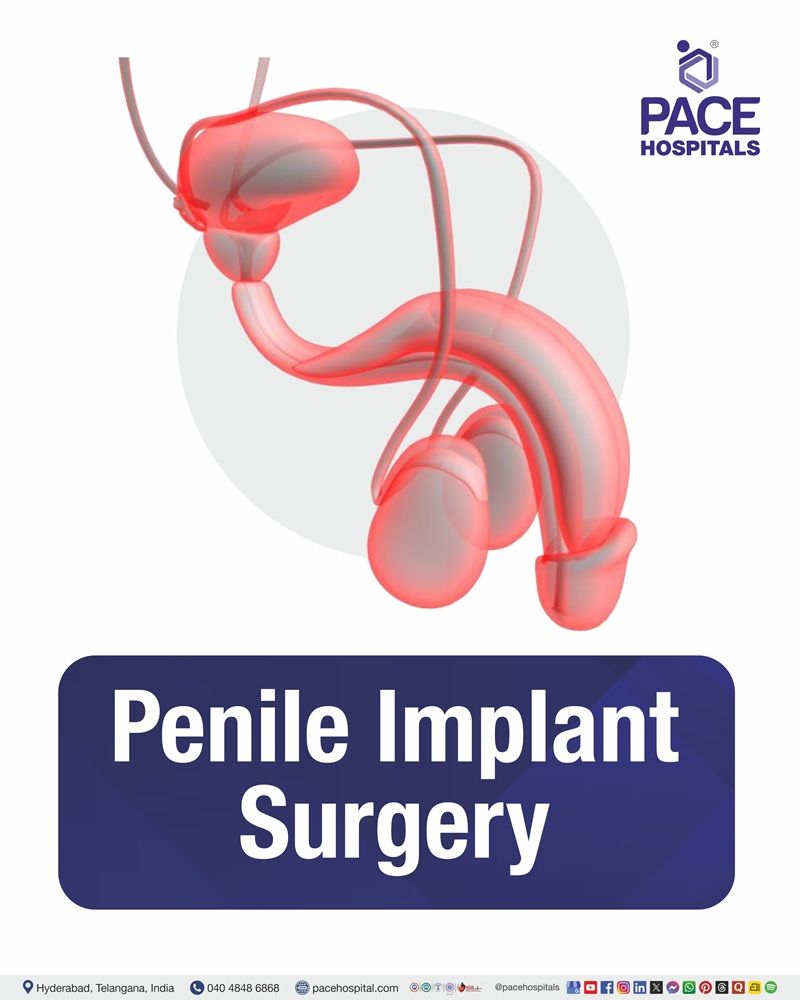
Penile Implant Surgery Cost in India
On average, the cost of Penile Implant Surgery (Penile Prosthesis Implantation) in India ranges from ₹2,00,000 to ₹11,00,000 and above (approximately US $2,089 – US $11,491). The actual penile implant surgery cost may vary depending on multiple factors, including:
- Type of penile implant selected – malleable (semi-rigid) penile implant or inflatable penile prosthesis (two-piece or three-piece implants) may have different costs based on design and technology
- Cause and severity of erectile dysfunction – conditions such as diabetes-related erectile dysfunction, nerve injury, vascular problems, previous prostate surgery, or pelvic trauma may influence treatment complexity
- Patient’s age, overall health, and medical history – associated health conditions and previous treatments may require additional evaluation or specialized surgical planning
- Type of hospital – private, corporate, or trust hospitals may have different pricing structures based on facilities and services provided
- Hospital facilities and infrastructure – including room category, operation theatre facilities, implant storage, advanced surgical equipment, and post-operative care services
- Surgeon expertise and surgical team experience – charges may vary depending on the expertise of urologists, andrologists, anesthesiologists, and specialized nursing teams involved in penile prosthesis implantation
- Anaesthesia type and requirements – general or regional anesthesia, along with the expertise of the anesthesiology team involved in surgery, can influence the overall cost
- Pre-operative evaluations and post-operative care – including blood tests, cardiac evaluation (if required), infection screening, implant-related planning, medications, follow-up visits, and recovery monitoring
- Insurance coverage – corporate approvals, reimbursement policies, and cashless treatment facilities may influence the final out-of-pocket expenses
Penile Implant Surgery Cost in Hyderabad, Telangana
On average, the cost of Penile Implant Surgery in Hyderabad ranges from ₹2,50,000 to ₹10,00,000 and above (approximately US $2,612 – US $10,447). This includes different types of penile prosthesis surgical procedures such as malleable penile implant cost, inflatable penile implant cost, two-piece inflatable penile prosthesis cost, and three-piece inflatable penile implant cost, providing patients with advanced urological care and personalized treatment planning.
However, the cost of Penile Implant Surgery in Hyderabad is influenced by several factors, such as:
- Type of penile implant selected – malleable (semi-rigid) penile prosthesis or inflatable penile implants may vary in cost depending on implant design, technology, and manufacturer
- Cause and severity of erectile dysfunction – conditions such as diabetes-related erectile dysfunction, nerve damage, vascular disorders, or previous prostate and pelvic surgeries may require different surgical planning
- Type of surgical procedure – primary penile implant placement, revision penile implant surgery, or complex implant procedures may influence the overall cost
- Implant and surgical consumables used during the procedure – including penile prosthesis components, surgical instruments, sutures, and other required materials
- Hospital facility and infrastructure chosen – operation theatre facilities, room category, infection-control measures, and post-operative care services can affect the total expense
- Surgeon expertise, diagnostic evaluations, and multidisciplinary urology care – including assessment by experienced urologists/andrologists, pre-operative investigations, and anaesthesia team involvement
- Insurance or corporate approvals for cashless services – eligibility for insurance coverage or reimbursement may influence out-of-pocket expenses
- Extent of pre-operative evaluation and post-operative care requirements – including laboratory tests, medical clearance, medications, follow-up consultations, and recovery monitoring
- Potential complications during or after the procedure – infection, implant-related issues, or need for revision surgery may increase the overall treatment cost
Cost Breakdown According to Type of Penile Implant and Penile Implant Surgery
Indian Malleable (Semi-Rigid) Penile Implant – Device Cost: ₹1,50,000 – ₹3,00,000; Total Penile Implant Surgery Cost: ₹2,00,000 – ₹4,50,000 (US $2,089 – US $4,701) (approx.)
Imported Malleable Penile Implant – Device Cost: ₹2,50,000 – ₹4,50,000; Total Penile Implant Surgery Cost: ₹3,50,000 – ₹6,00,000 (US $3,656 – US $6,268) (approx.)
Soft / Positionable Malleable Penile Implant – Device Cost: ₹2,00,000 – ₹5,00,000; Total Penile Implant Surgery Cost: ₹3,00,000 – ₹6,50,000 (US $3,134 – US $6,790) (approx.)
Two-Piece Inflatable Penile Implant – Device Cost: ₹4,00,000 – ₹6,50,000; Total Penile Implant Surgery Cost: ₹5,00,000 – ₹8,00,000 (US $5,223 – US $8,357) (approx.)
Three-Piece Inflatable Penile Implant (Advanced Penile Prosthesis) – Device Cost: ₹6,50,000 – ₹10,00,000; Total Penile Implant Surgery Cost: ₹7,00,000 – ₹10,00,000 (US $7,313 – US $10,447) (approx.)
Premium Inflatable Penile Implant (Antibiotic-Coated / Advanced Technology Prosthesis) – Device Cost: ₹7,00,000 – ₹10,00,000+; Total Penile Implant Surgery Cost: ₹8,00,000 – ₹10,50,000+ (US $8,357 – US $10,969+) (approx.)
Complex or Revision Penile Implant Surgery – Device Cost: ₹3,00,000 – ₹10,00,000+ (depending on replacement implant required); Total Penile Implant Surgery Cost: ₹7,50,000 – ₹11,00,000+ (US $7,835 – US $11,491+) (approx.)
Note: These cost estimates are based on commonly performed penile implant surgeries using different penile prosthesis options, including malleable and inflatable implants. The exact cost for an individual patient is determined after evaluation by the urology surgical team, andrologist and anesthesiologist, considering the cause and severity of erectile dysfunction, penile anatomy, previous surgeries, implant selection, anaesthesia requirements, and any additional procedures required.
Additional Information: The overall cost of penile implant surgery may vary depending on the type of penile implant or selected prosthesis, such as malleable penile implants, two-piece inflatable penile prostheses, or three-piece inflatable penile implants. Other factors including primary or revision surgery, complexity of the case, implant brand (if imported) and advanced technology, infection risk assessment, use of specialized surgical instruments, hospital stay, post-operative monitoring, and expertise of the urology team can influence the final treatment cost. A personalized and transparent cost estimate is provided after detailed clinical evaluation.
Breakdown of Penile Implant Surgery Costs
The cost of Penile Implant Surgery (Penile Prosthesis Implantation) can vary depending on the type of penile implant selected (inflatable or malleable devices), surgical complexity, hospital facilities, and the patient’s overall health condition. Factors such as the cause of erectile dysfunction (ED), age, previous implant surgeries, other associated medical conditions, and the type of prosthesis based on imported penile implant devices required can influence the overall treatment expense. Below is a complete breakdown of the cost components involved in penile implant surgery:
Pre-Surgery Costs
Consultation Fees: Includes consultation with a urologist, andrologist, or reconstructive urology specialist for evaluation of erectile dysfunction and suitability for penile implant surgery.
Diagnostic Tests: May include CBC, blood sugar, kidney and liver function tests, hormonal evaluation when required, and penile Doppler ultrasound or other investigations to assess penile blood flow and anatomy.
Pre-Operative Evaluation: CBC, LFT, KFT, coagulation profile (PT/PTT), ECG, chest X-ray, or additional cardiac assessment may be advised depending on the patient’s age, health, and anaesthesia requirements.
Medical Assessment: Includes evaluation of overall health, diabetes, hypertension, medications, previous pelvic or penile surgery, infection risk, and other factors that may influence surgery.
Penile Implant Surgery Costs
Hospitalization Charges: Includes room, surgical preparation, recovery, nursing care, and monitoring. Patients with complex medical conditions or revision surgery may require additional hospitalization.
Surgical Procedure: Charges depend on whether the procedure involves a malleable implant, two-piece or three-piece inflatable prosthesis, primary implantation, or revision surgery. Costs generally include surgeon and operating theatre charges.
Anaesthesia and Surgical Team Fees: Includes anaesthesiologist and surgical team charges associated with the procedure.
Penile Prosthesis and Consumables: The implant itself is a major component of the total cost. Additional expenses include surgical instruments, sutures, antibiotics, dressings, and other consumables.
Post-Surgery Care Costs
Post-Operative Monitoring: Includes wound assessment, pain management, infection monitoring, dressing or drain management when required, and evaluation of implant recovery. Patients with inflatable implants may also receive instructions on operating the pump after appropriate healing.
Hospital Stay: Hospital stay depends on the implant type, surgical complexity, health condition, and recovery. Complex or revision procedures may require longer monitoring.
Medications: Antibiotics, pain-relief medicines, anti-inflammatory medicines, and other prescribed medications may contribute to the overall expense.
Follow-Up Visits: Follow-up consultations help assess wound healing, implant position and function, recovery, and possible complications.
PACE Hospitals in Hyderabad provides personalised cost estimates based on the patient’s medical condition, type of penile prosthesis selected, surgical requirements, and overall treatment complexity.
Who Needs Penile Implant Surgery?
Penile Implant Surgery (Penile Prosthesis Implantation) is recommended for men with erectile dysfunction (ED) when other treatment options such as oral medications, penile injections, or vacuum erection devices do not provide satisfactory improvement. Surgery is considered when erectile function cannot be restored adequately and the condition significantly affects sexual activity and quality of life.
Penile Implant Surgery is generally recommended for specific urological conditions:
- Severe or Persistent Erectile Dysfunction: When men have long-standing erectile dysfunction that does not respond adequately to medicines or other non-surgical treatments, penile implant surgery may be considered as a long-term solution.
- Erectile Dysfunction Due to Diabetes or Vascular Problems: Patients with diabetes-related complications, reduced blood flow to the penis, or other vascular conditions causing irreversible erectile dysfunction may benefit from penile prosthesis implantation.
- Nerve-Related Erectile Dysfunction: Men who develop erectile dysfunction due to nerve damage following conditions such as spinal cord injury, pelvic trauma, or prostate and pelvic surgeries may be evaluated for penile implant placement.
- Post-Prostate Surgery or Pelvic Treatment-Related Erectile Dysfunction: Patients with persistent erectile dysfunction after surgical procedures such as radical prostate surgery or pelvic treatments, where other therapies have not provided adequate results, may be considered for latest penile implants.
- Peyronie’s Disease with Erectile Dysfunction: Men with significant penile curvature, scar tissue formation, and associated erectile dysfunction (ED) may require penile implant surgery, sometimes combined with corrective surgical procedures such as straightening operations (if the cases are severe).
- Failure or Intolerance of Other Erectile Dysfunction Treatments: Patients who do not achieve satisfactory results or experience limitations with oral medications, injections, or vacuum devices may be suitable candidates for penile prosthesis implantation.
- Patient Preference for a Permanent Solution: Men seeking a reliable and long-term treatment option after understanding the benefits, risks, and alternatives may consider penile implant surgery after detailed counselling with the urology team.
Penile Implant Surgical planning is based on the patient's age, the reason and severity of erectile dysfunction (ED), penile anatomy, past surgeries, concomitant medical disorders or comorbidities, and personal expectations. The penile implant procedure is performed under the guidance of experienced urologists, andrologists, reconstructive urology specialists, anesthesiologists, and trained surgical teams to ensure safety and optimal outcomes.
Who is Not Eligible for Penile Implant Surgery?
Penile Implant Surgery (Penile Prosthesis Implantation) may not be suitable for every patient with erectile dysfunction. Certain medical conditions, anatomical factors, or health risks can make the procedure unsafe or may require correction before considering surgery:
- Active Penile or Urinary Tract Infection: Patients with ongoing urinary infections have a higher risk of penile implant-related complications and should receive appropriate treatment before undergoing penile prosthesis implantation.
- Severe or Uncontrolled Medical Conditions: Before undergoing penile implant surgery, patients with uncontrolled diabetes, severe cardiovascular disease, major kidney or liver dysfunction, or poor overall health may need to be stabilized.
- Anaesthesia Intolerance: Patients who cannot safely undergo general or regional anaesthesia due to serious medical conditions may not be suitable candidates for penile implant surgery.
- Bleeding or Clotting Disorders: Patients with uncontrolled bleeding disorders or those unable to safely manage blood-thinning medications may have an increased risk of surgical complications.
- Poor Penile Tissue Quality or Severe Scarring Problem: Extensive fibrosis, severe penile tissue damage, or previous unsuccessful penile surgeries may make penile implant placement technically challenging and require specialized evaluation.
- Unrealistic Expectations About Penile Implant Function: Patients who expect the penile implant to restore natural erections, increase penile size, or provide results beyond its intended purpose may require detailed counselling before considering penile implant surgery.
- Untreated Psychological Causes of Erectile Dysfunction: When erectile dysfunction is primarily related to psychological factors without an adequate medical evaluation, counselling or other treatments may be recommended before surgical intervention.
- Active Systemic Infection or Immunocompromised Condition: Patients with severe infections or conditions affecting immune function may have a higher risk of prosthesis infection and may need medical optimization before surgery.
- Poor Surgical Fitness or Lack of Consent: Patients with multiple uncontrolled health problems who may not tolerate surgery safely, or those who do not provide informed consent after understanding the benefits and risks, may not be suitable candidates.
- Severe Penile Anatomical Abnormalities: Certain structural abnormalities that prevent safe placement of the penile implant may require additional evaluation or alternative treatment approaches.
A thorough evaluation by an experienced urologist, andrologist, reconstructive urology specialist, and anaesthesiology team is essential before penile implant surgery. Assessment includes medical history, physical examination, evaluation of erectile dysfunction severity, penile anatomy, associated health conditions, and surgical fitness to ensure safe treatment planning and optimal outcomes.
Penile Implant Surgery – How is the Procedure Done?
Penile Implant Surgery (Penile Prosthesis Implantation) is a surgical procedure performed to treat severe erectile dysfunction (ED) by placing an artificial penile prosthesis inside the penis to help achieve controlled rigidity required for sexual activity. The surgery is generally performed under general or regional anaesthesia and may involve the placement of a malleable (semi-rigid) implant or inflatable penile prosthesis (two-piece or three-piece implant) depending on the patient’s condition, preferences, penile anatomy, and surgeon’s recommendation.
The Penile Implant Surgery generally involves the following steps:
- Preoperative Evaluation: The urology surgical team reviews the patient’s medical history, performs a physical examination, and evaluates the severity and underlying cause of erectile dysfunction. Assessment may include review of previous treatments, medical conditions such as diabetes or cardiovascular disease, previous pelvic surgeries, and evaluation of penile anatomy. Blood tests and other investigations are performed to confirm overall health status and fitness for anaesthesia and surgery.
- Patient Preparation Guidelines: Before penile implant surgery, patients should provide complete details of all medications, including prescription medicines, over-the-counter (OTC) drugs, blood thinners or anticoagulants, and supplements. Any medication adjustments are made only under the guidance of the treating team. Patients are usually advised to fast for several hours before surgery as instructed by the anaesthesia team. The surgical area is prepared according to hospital protocols to maintain hygiene and reduce infection risk.
- Implant Selection and Surgical Approach: The severity of erectile dysfunction (ED), penile anatomy, patient preference, lifestyle, and medical history all influence the type of penile prosthesis selected. Malleable penile implants, two-piece inflatable penile prostheses, and three-piece inflatable penile implants are all surgical penile implant types used for penile implant surgery. The urologist carefully designs the surgical procedure to ensure proper implant placement while conserving neighboring structures.
- Penile Prosthesis Placement: During penile implant surgery, the surgeon creates a controlled surgical opening and places the required penile implant components inside the penis by making a small cut at the base of the penis, in the scrotum, or in the lower abdomen. For inflatable implants, cylinders are positioned within the erectile chambers, while additional components such as the pump and reservoir are placed according to the selected implant type. The surgical team ensures proper positioning, function testing, and control of bleeding throughout the surgical procedure of penile implant.
- Wound Closure, Infection Prevention and Hemostasis: After successful placement of the penile prosthesis, the surgical site is carefully closed. The team ensures complete control of bleeding and follows infection prevention measures to reduce the risk of implant-related complications. In selected cases, additional measures may be taken based on patient risk factors and surgical complexity.
- Monitoring and Recovery: Following penile implant surgery, patients are monitored for early complications such as bleeding, infection, swelling, or anaesthesia-related effects. Pain management medications and post-operative instructions regarding surgical incision site care, type of undergarments to be used (snug briefs or compression shorts with the penis positioned), activity restrictions, and hygiene are provided. Most patients can return home after a 24- to 48-hour hospital stay, depending on their condition and the intricacy of the treatment.
- Follow-up appointments are planned accordingly to monitor healing, implant performance, and recovery progress. To improve alignment, patients should wear snug briefs or compression shorts with their penis pointed upward toward the abdomen. It is recommended to avoid strenuous activities and sexual activities for several weeks, around 4 to 6 weeks, until healing is complete and the urologist confirms that the implant can be used safely.
Strict adherence to post-operative instructions helps reduce complications, support proper healing, and improves long-term outcomes after penile implant surgery.
Types of Penile Implants Used in Penile Implant Surgery
Penile implants (Penile Prostheses) are selected based on the severity of erectile dysfunction, patient preference, penile anatomy, medical history, lifestyle factors, and the recommendation of an experienced urologist or andrologist. The main types of penile implants include:
- Malleable (Semi-Rigid) Penile Implant - A semi-rigid penile prosthesis consisting of bendable rods placed inside the penis to provide consistent firmness. It is a simpler implant option with fewer mechanical components and may be suitable for patients who prefer ease of handling.
- Two-Piece Inflatable Penile Implant- An inflatable penile prosthesis consisting of cylinders placed inside the penis and a pump mechanism. The implant allows controlled inflation to achieve rigidity and deflation after sexual activity, providing improved concealment compared with semi-rigid implants.
- Three-Piece Inflatable Penile Implant (Advanced Penile Prosthesis) - A more advanced inflatable system of penile implant consisting of cylinders, a pump, and a fluid reservoir. It provides better control over erection firmness and flaccidity, closely resembling the natural erection process and offering enhanced patient satisfaction.
- Revision Penile Implant Procedure- A revision procedure is performed in patients who already have a penile implant but require replacement or correction due to mechanical failure, infection, implant displacement, or other implant-related complications. The choice of replacement implant depends on the individual condition and surgical assessment.
Note: The reason and severity of erectile dysfunction (impotence), past treatments, penile anatomy, concomitant medical conditions, patient expectations, and surgical expertise all play a role in deciding on a penile implant. These variables also influence the surgical strategy, recovery time, and long-term outcomes of penile implant surgery.
Post-Penile Implant Surgery Care Tips
After penile implant surgery, following proper recovery instructions is essential to allow adequate healing, prevent complications, and support the long-term function of the penile prosthesis (implant) for an individual as follows:
- It is recommended to attend regular follow-up visits with the urologist or surgical team to assess incision healing, implant position, recovery progress, and overall outcome.
- It is advised to keep the surgical area clean and dry as instructed by the healthcare team to maintain hygiene and lower the possibility of infection.
- It is recommended to take sufficient rest during the early recovery phase and gradually return to routine activities based on the advice of the treating urologist.
- It is advised to avoid heavy lifting, strenuous exercise, cycling, and activities that put pressure on the operated area until complete healing is achieved.
- It is suggested to wear comfortable, loose-fitting clothing after surgery to prevent friction, pressure, and discomfort around the surgical site.
- It is recommended to complete all prescribed medications, including antibiotics, pain-relieving medicines, and other supportive medications, as directed by the surgical team.
- It is advised to avoid sexual activity until the urologist confirms complete healing and safe use of the implant based on individual recovery.
- It is recommended to follow specific instructions regarding inflatable implant activation and usage to ensure proper healing and avoid unnecessary strain on the surgical area.
- It is advised that patients using blood-thinning medications should follow the surgeon’s instructions carefully regarding restarting or adjusting these medicines after surgery.
- It is suggested to avoid smoking and alcohol consumption during the recovery period, as these may affect wound healing and increase the possibility of complications.
- It is recommended to maintain a nutritious diet and adequate fluid intake to support tissue healing and overall recovery.
- It is advised to avoid driving until pain is controlled and mobility is comfortable, especially while taking pain medications.
- It is recommended to contact the urologist and reconstructive surgical team immediately if any worrying symptoms develop, including increasing pain, excessive swelling, high fever (over 100.4°F), redness, discharge from the incision site, difficulty urinating, or unusual changes in the penile implant area.
Following the urology surgical team's post-operative guidelines aids in normal healing, decreases implant-related risks, and promotes positive long-term outcomes following penile implant surgery.
Key Factors Influencing Penile Implant Surgery Cost
The cost of penile implant surgery (penile prosthesis implantation) is determined by a variety of criteria, including the type of penile implant utilized (sometime it may differ based on its brand or manufacturing; if imported, it can have a higher cost, the cause and severity of erectile dysfunction (ED) or impotence, surgical complexity, and the patient's overall health. Understanding these factors enables patients to successfully manage their actual treatment expenses and make informed decisions on penile implant surgery costs:
Pre-Surgery Evaluation
A detailed assessment before penile implant surgery contributes to an individual's overall treatment cost. This includes a consultation with an experienced urologist, andrologist, or reconstructive urology specialist; a physical examination; evaluation of erectile dysfunction; medical history review; blood tests (CBC); hormonal assessment; routine assessment of urine cultures; routine testing of electrolytes; pulmonary function tests; and pre-anaesthesia evaluation. Additional tests such as imaging or specialized tests (Doppler Ultrasound of Penile Vessels), ECG, chest X-ray, or cardiac assessment may be required in selected patients to confirm fitness for surgery.
Insurance Coverage
Insurance coverage, policy benefits, and approvals for cashless treatment can influence the patient’s final out-of-pocket expenses for penile implant surgery.
Hospital and Location
The cost of penile implant surgery may vary depending on the hospital infrastructure, location, operating theatre facilities, availability of advanced surgical equipment, and post-operative care services provided.
Post-Surgery Care
Follow-up consultations with the urologist and surgical team for wound care or dressing, medications, pain management, monitoring of penile implant function, and evaluation for any post-operative concerns contribute to the overall treatment cost.
Complications During or After Surgery
Unexpected situations such as infection, bleeding, wound-healing issues, implant-related complications, or the need for additional corrective revision surgical procedures may increase the overall cost of treatment.
Surgeon Expertise
The experience and expertise of the urologist, andrologist, anaesthesiologist, and surgical team can influence the cost of penile implant surgery. Specialists with advanced experience in penile prosthesis procedures may use specialized techniques to improve safety and outcomes.
Type of Implant and Surgical Complexity
The selected penile prosthesis (implant) significantly affects the overall cost of penile implant surgery. Malleable (semi-rigid) implants generally have different costs compared with inflatable penile implants. Penile implant procedures involving three-piece inflatable implants, revision surgeries, previous penile surgeries, or associated conditions such as Peyronie’s disease may require more complex surgical planning and increase the treatment cost.
Implant Device and Surgical Consumables
The cost of the penile prosthesis, implant technology, surgical instruments, sutures, antibiotics, dressings, and other consumables required during the penile implant procedure can influence the total expense.
Travel and Accommodation
For patients travelling from other cities or states, additional expenses related to transportation, accommodation, food, and stay for accompanying family members may contribute to the overall financial planning.
Patient Health and Medical History
The patient’s age, severity and cause of erectile dysfunction (ED) or impotence, associated conditions such as uncontrolled diabetes or cardiovascular disease, previous pelvic or penile surgeries, medication history, and overall surgical fitness can influence the complexity of the surgical procedure, recovery requirements, and total cost of penile implant surgery.
Why Choose PACE Hospitals for Penile Implant Surgery in Hyderabad, India?
PACE Hospitals, Hyderabad provides comprehensive care for Penile Implant Surgery (Penile Prosthesis Implantation) with a focus on advanced urological treatment and patient-specific surgical planning:
- Highly experienced urologists, reconstructive urology specialists, andrologists, anaesthesiologists, and skilled healthcare staff (including trained nursing personnel) provide coordinated care throughout the evaluation, surgery, and recovery process
- Well-equipped advanced operation theatres with the latest surgical technology application, following strict infection-control measures, and comprehensive critical care support help ensure safe and effective penile prosthesis implantation
- Dedicated post-operative care facilities with appropriate monitoring and diagnostic support help identify and manage any early recovery-related concerns
- Individualized treatment planning with detailed counselling and transparent cost guidance is provided based on the type of penile implant, medical condition, and surgical requirements of each patient
For patients looking for the Best Hospital for Penile Implant Surgery in Hyderabad, Telangana, PACE Hospitals offers top-notch expert urological care, advanced penile prosthesis (implant) surgical options with high-quality imported devices (if required), follows safe surgical approaches, and comprehensive treatment support for achieving optimal outcomes.
Financial Assistance and Payment Plans at PACE Hospitals
PACE Hospitals supports patients undergoing Penile Implant Surgery with financial guidance and assistance for insurance-related processes:
- Cashless treatment facilities are available through empanelled insurance providers and Third-Party Administrators (TPAs), wherever applicable
- Assistance is provided for insurance pre-authorization and required documentation to facilitate a smoother admission process
- Support is available for reimbursement procedures when cashless approval is not applicable
- Detailed cost estimates are shared before admission based on the selected penile implant, surgical complexity, and individual treatment requirements
- Guidance regarding eligible corporate and government healthcare schemes is provided to help patients manage treatment expenses effectively
Penile Implant Success Rate
Penile Implant Surgery has a high success rate, with patient satisfaction reported in approximately 80%–95% of cases. Recent advanced penile prostheses provide long-term durability, with device survival rates of around 85%–90% at 10 years and infection rates of approximately 1%–3% when the procedure is performed using appropriate surgical techniques and infection-control measures.
Patients after undergoing penile implant surgery usually experience:
- Restoration of Erectile Function: Penile implant surgery assists men with severe erectile dysfunction or impotence in achieving the regulated penile rigidity essential for sexual activity, particularly when other therapies have failed to produce satisfactory results.
- Improved Sexual Satisfaction and Confidence: Many patients report increased sexual confidence, intimacy, and overall quality of life following successful penile prosthesis implantation.
Request a Personalized Treatment Cost Estimate
Every patient's medical condition and treatment plans are unique, which means the overall cost can vary. To receive an accurate estimate, our specialists evaluate your diagnosis, medical history, recommended treatment, and any necessary investigations before providing a detailed cost breakdown.
Whether you are planning a diagnostic test, treatment, or surgery, our team is here to help you understand the expected expenses and guide you through every step of the process.
Get in touch with us today to request a personalized treatment cost estimate.