Liposuction Surgery Cost in Hyderabad, India – 2026 Guide
Get a Cost Estimate for Liposuction Surgery
Procedure & Surgery Cost Pages
All You Need To Know About Liposuction Surgery?
Liposuction, or fat removal surgery, is a cosmetic surgical procedure used to remove excess fat deposits from certain areas of the body that do not respond to diet or regular exercise. It helps improve body contour and proportion, but is not a treatment for obesity or a substitute for weight loss.
Liposuction works by using a thin cannula tube, that is inserted via small incisions to loosen and suction out unwanted fat cells. Common areas treated by liposuction generally include the abdomen, waist, hips, thighs, buttocks, arms, back, chest (including male gynecomastia), neck, and chin.
The primary goals of liposuction surgery are to remove stubborn fat, improve body shape and contour, enhance body proportions, and boost self-confidence. It is most effective for individuals who are near their ideal body weight and possess good skin elasticity.
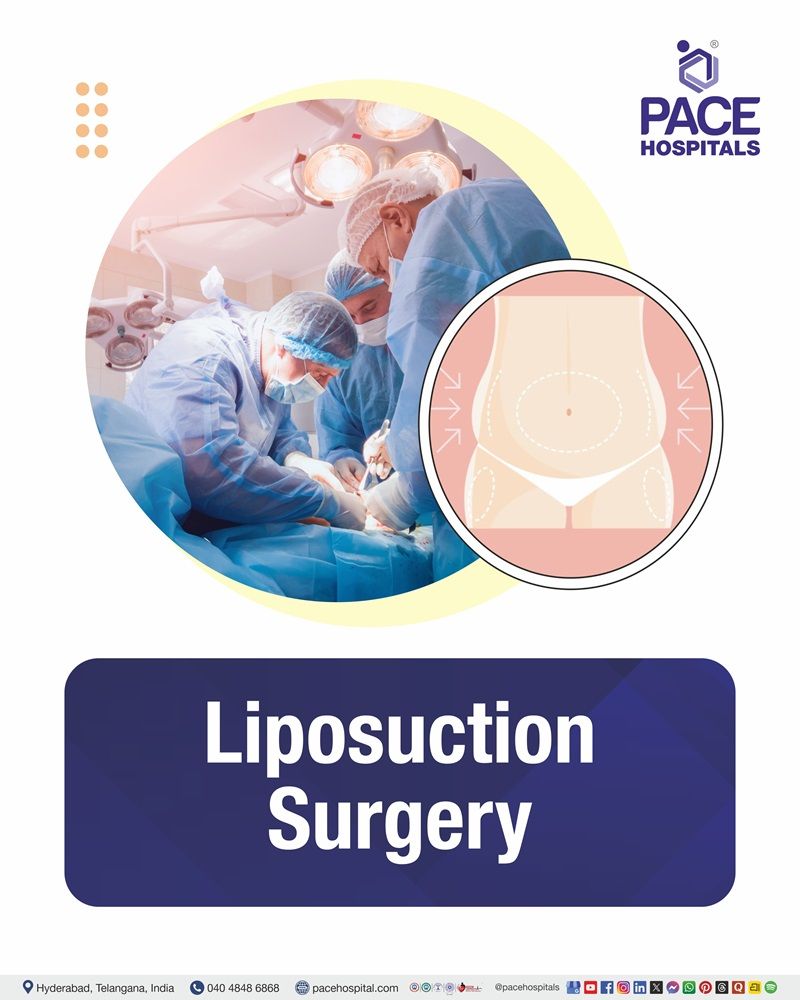
Liposuction Cost in India
On average, liposuction surgery costs in India range between ₹40,000 - ₹3,50,000+ (approximately US $ 422 - US $ 3,696+). However, the actual liposuction price in India may vary depending on several factors, including:
- The patient's age, overall health, body weight, and medical condition.
- The number of body areas being treated (like abdomen, thighs, arms, chin, back, flanks, hips, etc.).
- The amount of fat to be removed and the complexity of the procedure.
- The type of liposuction technique used (tumescent, power-assisted, ultrasound-assisted, laser-assisted, or vibration-assisted liposuction).
- Whether liposuction is combined with other cosmetic procedures such as tummy tuck, gynecomastia surgery, or fat grafting.
- The type of hospital (private, government, or trust hospitals).
- Hospital charges, including operating theatre, room category, and other facilities.
- Pre-operative evaluations and post-operative care requirements.
- Any complications that may arise during or after the procedure.
- The expertise of the plastic surgeon and the use of advanced surgical technologies.
Liposuction Cost in Hyderabad, Telangana
The average fat removal surgery cost in Hyderabad ranges between ₹50,000 - ₹1,90,000+ (approximately US $ 528 - US $ 2,006+). The liposuction procedure cost depends on the number of body areas being treated, the amount of fat to be removed, the liposuction technique used, and the complexity of the procedure. These rates offer a competitive and cost-effective option compared to many other metropolitan cities, with access to experienced plastic surgeons and advanced cosmetic surgery facilities.
However, the surgical liposuction cost in Hyderabad is influenced by several factors, such as:
- The patient's overall health, body weight, Body Mass Index (BMI), and medical history.
- The number and size of body areas requiring liposuction.
- The amount of fat to be removed and the complexity of the procedure.
- The liposuction technique used (tumescent, power-assisted, ultrasound-assisted, laser-assisted, or vibration-assisted liposuction).
- Whether liposuction is combined with other cosmetic procedures such as tummy tuck, gynecomastia surgery, or fat grafting.
- The hospital facility chosen and its infrastructure.
- Insurance or corporate approvals, where applicable.
- Extent of pre-operative evaluations and post-operative care.
- Potential complications during or after the procedure.
Cost Breakdown According to the Type of Liposuction and Technique Used
- Chin and Neck Liposuction (smallest area): ₹ 50,000 -₹ 80,000 (US $528– US $844) (approx.)
- Arm Liposuction: ₹50,000 - ₹90,000 (US $528– US $950) (approx.)
- Back Liposuction: ₹50,000 - ₹95,000 (US $528– US $1,003) (approx.)
- Thigh Liposuction (Inner/Outer/Both Thighs): ₹50,000 - ₹1,20,000 (US $528– US $1,267) (approx.)
- Gynecomastia Liposuction (Male Chest): ₹ 60,000 - ₹1,30,000 (US $633– US $1,372) (approx.)
- High-Definition (HD) Liposuction: ₹75,000 - ₹1,55,000+ (US $792– US $1,636+) (approx.)
- Tumescent Liposuction (standard technique; cost depends on area size, usually in the small–medium range): ₹90,000 - ₹1,80,000 (US $950– US $1,900) (approx.)
- Abdominal Liposuction: ₹50,000 - ₹2,00,000 (US $528– US $2,112) (approx.)
- Power-Assisted Liposuction (PAL): ₹70,000 - ₹2,00,000 (US $739– US $2,112) (approx.)
- Ultrasound-Assisted Liposuction (UAL): ₹90,000 - ₹2,80,000 (US $950– US $2,957) (approx.)
- Laser-Assisted Liposuction (LAL / SmartLipo): ₹60,000 - ₹3,00,000 (US $ 633– US $3,168) (approx.)
- 360° Liposuction (Abdomen, Waist & Back): ₹1,20,000 - ₹3,00,000 (US $1,267– US $3,168) (approx.)
- VASER Liposuction: ₹70,000 - ₹3,30,000 (US $739– US $3,485) (approx.)
- Multiple Body Area / Full Body Liposuction: ₹1,50,000 - ₹3,50,000+ (US $1,584 – US $3,696+) (approx.)
Note: These are estimated costs and may vary depending on the number of treatment areas, the volume of fat removed, the liposuction technique, the type of anaesthesia, the surgeon's expertise, the hospital infrastructure, and whether liposuction is combined with other body-contouring procedures.
Additional Information: The cost of liposuction surgery depends on the number of treatment areas, the volume of fat removal, the surgical technique used, anaesthesia requirements, duration of hospitalisation (if required), compression garments, and the experience of the plastic surgeon. The use of advanced techniques also affects the overall cost of the surgery. This ensures that every patient gets a customized treatment plan along with a clear cost estimate that aligns to their aesthetic goals and medical needs.
Breakdown of Liposuction Surgery Costs
The liposuction procedure cost varies depending on factors such as the liposuction technique utilised, the number of body areas treated, the amount of fat to be removed, the surgeon's expertise, hospital facilities, and the patient's overall health. The following is a detailed breakdown of the costs associated with liposuction surgery:
Pre-Surgery Costs
- Consultation Fees: Charges for consultation with a plastic surgeon or cosmetic surgeon vary depending on the hospital and the surgeon's experience.
- Diagnostic Tests and Pre-Operative Evaluation: Includes blood tests, ECG (when required), chest X-ray, and other investigations to assess the patient's fitness for surgery and anaesthesia.
- Routine Pre-Operative Panel (for Anaesthesia and Surgery): May include complete blood count (CBC), blood sugar tests, kidney function test, liver function test (LFT), coagulation profile (PT/INR), viral markers, ECG, and other investigations required for safe anaesthesia and surgical planning.
- Body Contouring Assessment and Surgical Planning: The plastic surgeon evaluates the patient's body shape, fat distribution, skin elasticity, body mass index (BMI), treatment goals, and suitability for liposuction. The number of treatment areas and the most appropriate liposuction technique are also determined during this stage.
- Pre-Surgical Screening Including Medical History and Physical Examination: A detailed assessment of existing medical conditions such as diabetes, hypertension, obesity, heart disease, bleeding disorders, smoking history, previous surgeries, and medications is performed to ensure safe surgery.
Liposuction Surgery Costs
- Hospitalization Charges: Covers room charges, nursing care, monitoring, and other hospital services provided before and after surgery. Day-care procedures may have lower hospitalization costs, while extensive liposuction may require overnight observation.
- Surgical Procedure Charges: Includes the cost of performing liposuction surgery, surgeon's professional fees, operation theatre charges, specialised surgical instruments, suction equipment, and the selected liposuction technique.
- Anaesthesia and Surgical Team Fees: Includes charges for anaesthesia, anaesthesiologist, operating theatre staff, and the surgical team involved in the procedure.
- Compression Garments, Medications, and Consumables: Includes compression garments, dressings, intravenous fluids, antibiotics, pain medications, surgical consumables, and other supportive materials used during admission and recovery
Post-Surgery Care Costs
- Post-Operative Monitoring: This may include monitoring of vital signs, pain control, wound care, fluid balance, and early recovery after surgery.
- Hospital Stay: Overall hospitalization expenses depend on the extent of liposuction. Most patients undergoing limited-area liposuction are discharged on the same day or within 24 hours, while extensive procedures may require a longer stay.
- Follow-Up Visits: Periodic follow-up appointments with the plastic surgeon to monitor wound healing, body contour, recovery, and overall results.
- Post-Surgery Recovery and Support: Includes wound care, compression garment use, scar management advice, activity guidance, nutritional counselling (when required), and recommendations for maintaining long-term body contour through healthy lifestyle habits.
Note: This cost structure helps patients understand the various components involved in planning for liposuction surgery. At PACE Hospitals, Hyderabad, we provide personalised cost estimates based on each patient's body contouring requirements, overall health, areas of treatment, and the most suitable liposuction technique. This ensures transparent pricing and high-quality cosmetic surgical care.
Who Needs Liposuction Surgery?
Liposuction surgery is not recommended for everyone who wants to lose weight. It is primarily advised for individuals with localised fat deposits that do not improve despite a healthy diet and regular exercise. It is best suited for people who are close to their ideal body weight and wish to improve body contour rather than achieve significant weight loss.
Common Conditions Indicating the Need for Liposuction
- Stubborn Localised Fat Deposits: Some people develop fat deposits in areas such as the abdomen, waist (love handles), thighs, hips, buttocks, arms, back, chin, or neck that remain despite regular exercise and healthy eating. Liposuction helps remove these resistant fat deposits and improve body contour.
- Body Contouring Following Weight Loss: Following significant weight loss through diet, exercise, or bariatric surgery, some patients may continue to have localised fat deposits that affect body shape. Liposuction helps refine body contours and improve overall body proportions.
- Excess Fat Causing Body Disproportion: Some individuals’ bodies accumulate more fat in certain areas of the body. This results in an uneven appearance; in this situation, liposuction helps create a more balanced and proportionate body shape, as the individual needs.
- Gynecomastia (Male Breast Enlargement): Men with enlarged breasts caused predominantly by excess fatty tissue may benefit from liposuction. In selected patients, liposuction may be combined with gland excision to achieve a flatter, more masculine chest contour.
- Double Chin and Neck Fat: Excess fat beneath the chin or around the neck can make the face appear fuller or older. Liposuction can improve jawline definition and enhance facial profile in suitable candidates.
- Lipedema: It is a chronic condition characterised by abnormal fat accumulation, usually affecting the legs and sometimes the arms. In carefully selected patients, liposuction surgery may help reduce pain, enhance mobility, and improve quality of life.
Who is Not Eligible for Liposuction Surgery?
Liposuction is a safe and very effective cosmetic surgical procedure for most of the individuals, but it is not always suitable for everyone. Below are some medical conditions or unrealistic expectations that may make the procedure unsafe or reduce the likelihood of achieving satisfactory results:
- Severe obesity: Liposuction is not a treatment for obesity or a substitute for weight loss. Patients with severe obesity are usually advised to pursue weight-loss strategies or bariatric surgery before considering liposuction.
- Active infections: Patients with ongoing infections anywhere in the body or at the planned treatment site may have a higher risk of complications and should receive appropriate treatment before surgery.
- Severe or uncontrolled medical conditions: Individuals with uncontrolled diabetes, serious heart disease, severe lung disease, liver disease, or other unstable medical conditions may require medical stabilisation before undergoing liposuction.
- Poor skin elasticity: Patients with loose or sagging skin may not achieve optimal contouring results with liposuction alone and may benefit more from skin-tightening or body-lift procedures.
- Bleeding disorders or inability to stop blood-thinning medications: Patients who have clotting disorders or those who cannot safely discontinue anticoagulant medications may have an increased risk of excessive bleeding during or after surgery.
- Pregnancy or breastfeeding: Liposuction is postponed until after pregnancy and breastfeeding to ensure the safety of both the mother and the baby.
- Unrealistic expectations: Individuals expecting liposuction to achieve weight loss or completely eliminate cellulite or loose skin may not be suitable candidates. Liposuction procedure is intended for body contouring rather than overall weight reduction.
- Short life expectancy or severe medical illness: Patients with advanced illnesses or poor overall health may have a higher surgical risk, and the potential benefits of liposuction may not outweigh the risks.
Assessment by a qualified plastic surgeon is important to determine eligibility for liposuction surgery. A thorough preoperative evaluation and overall health assessment help ensure the procedure delivers the best possible results with minimal risk.
Liposuction Surgery – How is Liposuction Surgery Done?
Liposuction surgery is a cosmetic surgical procedure performed under local anesthesia with sedation or general anesthesia. This depends on the number of treatment areas, the amount of fat to be removed, and the patient's overall condition. The steps include:
- Pre-procedure evaluation: Comprehensive assessment, including physical examination, medical history, blood tests, body contour analysis, and anaesthesia fitness evaluation.
- Surgical planning: The plastic surgeon identifies the treatment areas, estimates the amount of fat to be removed, marks the body contours, and selects the most appropriate liposuction technique.
- Liposuction procedure: Small incisions are created in the treatment locations. A special solution is injected to decrease bleeding and increase fat removal. A tiny needle is then introduced to loosen and suction the excess fat, resulting in smoother, more natural body contours.
- Monitoring and safety checks: Vital signs, fluid balance, blood loss, and patient stability are continuously monitored throughout the procedure, which helps to ensure safety.
- Recovery: Most patients undergoing small- or medium-area liposuction are discharged on the same day or within 24 hours. Recovery time depends on the number of areas treated, the volume of fat removed, and the patient's overall health.
Types of Liposuction Surgery
There are several different types of liposuction surgery used to meet specific patient needs, and the choice of technique can influence both treatment outcomes and cost: -
- Abdominal Liposuction: This removes stubborn fat from the abdomen to improve waistline and abdominal contour.
- 360° Liposuction: Targets the abdomen, flanks (love handles), lower back, and waist to achieve comprehensive body contouring.
- Thigh Liposuction: This removes excess fat from the inner thighs, outer thighs, or both to improve leg contour.
- Arm Liposuction: This removes excess fat from the upper arms to create a slimmer appearance.
- Chin and Neck Liposuction: This removes excess fat beneath the chin and around the neck to improve the jawline and facial profile.
- Back Liposuction: This removes localised fat deposits from the upper or lower back to improve body shape.
- Flank (Love Handles) Liposuction: Targets fat deposits on the sides of the waist for a more defined body contour.
- Gynecomastia Liposuction: Removes excess fatty tissue from the male chest as part of gynecomastia surgery in suitable patients.
- Multiple Body Area Liposuction: Liposuction performed on two or more body regions during the same surgical session.
Note: The type of liposuction recommended depends on the patient's body shape, fat distribution, skin elasticity, overall health, and cosmetic goals.
Common Surgical Techniques for Liposuction Surgery
- Tumescent Liposuction: The most commonly performed technique, in which a special solution containing saline, local anaesthetic, and a medication to lower bleeding is injected into the fat before it is removed through a thin cannula.
- Power-Assisted Liposuction (PAL): This uses a vibrating cannula to break up fat more efficiently, making fat removal easier and reducing surgeon effort, especially in larger treatment areas.
- Ultrasound-Assisted Liposuction (UAL): Uses ultrasound energy helps to liquefy fat before suctioning, making it particularly useful for dense or fibrous areas such as the back or male chest.
- Laser-Assisted Liposuction (LAL): This technique uses laser energy to liquefy fat before removal and may also promote mild skin tightening in selected patients.
- VASER Liposuction: An advanced form of ultrasound-assisted liposuction used to break down fat while preserving surrounding tissues, allowing for smoother body contouring and high-definition body sculpting in suitable candidates.
Post-Liposuction Surgery Care Tips
After liposuction surgery, careful attention to recovery is essential to promote proper healing, reduce swelling, and achieve the best possible body contour.
- It is advised to attend all scheduled follow-up appointments with the plastic surgeon to check for healing, reduce the risk of complications, and assess the final results.
- It is recommended to keep the incision sites clean and dry and follow the surgeon's advice for wound care and dressing changes.
- It is advised to wear the prescribed compression garment continuously for the recommended duration, as it helps reduce swelling, supports healing, and improves body contour.
- It is also advised to avoid strenuous exercise, heavy lifting, and vigorous activity for several weeks or until permitted by the surgeon.
- Patients are encouraged to begin gentle walking as advised soon after surgery to improve blood circulation and reduce the risk of blood clots.
- If antibiotics, pain relievers, or other medications are prescribed at discharge, they should be taken exactly as instructed and the full course completed when advised.
- It is recommended to stay well hydrated, follow a healthy, balanced diet, and maintain a stable body weight to support healing and preserve the long-term results of liposuction.
- Patients should avoid smoking, alcohol consumption, and nicotine products during recovery, as they can delay wound healing and increase the risk of complications.
- It is advised to contact the doctor immediately if symptoms such as excessive swelling, severe pain, fever, wound redness, pus discharge, persistent bleeding, shortness of breath, or leg swelling develop after surgery.
Key Factors Influencing Liposuction Surgery Cost
Several factors influences overall cost of liposuction surgery cost. Understanding these elements can help patients prepare better for the financial aspects of the procedure.
Treatment area(s)
The cost depends on the number and size of the body areas being treated, such as the abdomen, thighs, arms, back, flanks, chin, or multiple areas. Treating multiple areas generally increases the overall cost.
Liposuction technique used
The surgical technique chosen—such as Tumescent Liposuction, Power-Assisted Liposuction (PAL), Ultrasound-Assisted Liposuction (UAL), Laser-Assisted Liposuction (LAL), or VASER Liposuction—can significantly influence the overall treatment cost.
Volume of fat removed
Liposuction procedures involving larger volumes of fat removal are generally more complex, may require longer operating times, and can increase the overall cost.
Surgeon's expertise
Highly experienced surgeons charge high professional fees due to their expertise, training, and ability to achieve optimal aesthetic outcomes.
Hospital and location
Costs vary depending on the hospital's reputation, infrastructure, operating theatre facilities, safety requirements, and the city where the procedure is performed.
Anaesthesia and surgical team
The type of anaesthesia used and the fees for the anaesthesiologist, OT staff, and surgical team contribute to the total cost.
Hospital stay and post-operative care
While many liposuction treatments are conducted as day-care surgery, larger or combined procedures may necessitate overnight hospitalisation, raising the entire cost. Post-operative drugs, bandages, and follow-up care all add to the cost.
Combined cosmetic procedures
If liposuction is performed along with procedures such as tummy tuck, gynecomastia surgery, fat grafting, or body lift surgery, the total treatment cost will be higher.
Compression garments and recovery needs
Specialised compression garments, wound care supplies, medications, follow-up appointments, and, in certain situations, lymphatic drainage therapy or further recovery support may all increase the overall treatment cost.
Insurance coverage
As liposuction surgery is a cosmetic procedure, that is not usually covered under health insurance. However, if liposuction is performed for certain medically indicated conditions (such as selected cases of lipedema or reconstructive procedures), partial insurance coverage may be available depending on the policy and medical necessity.
Travel and accommodation
Patients travelling from other cities or countries should also consider travel, accommodation, food, and attendant expenses as part of their overall financial planning for liposuction surgery.
Why Choose PACE Hospitals for Liposuction Surgery in Hyderabad, India?
PACE Hospitals is the best hospital for liposuction surgery in Hyderabad, offering advanced body contouring procedures for patients seeking the removal of stubborn fat deposits and improved body proportions.
Key reasons to choose PACE Hospitals include:
- Liposuction Surgery at PACE Hospitals is performed by experienced plastic, reconstructive, and aesthetic surgeons using evidence-based surgical techniques tailored to each patient's body contouring goals.
- The treatment plan is designed after a detailed assessment of body fat distribution, skin elasticity, body mass index (BMI), overall health, and individual aesthetic expectations.
- The hospital is equipped with state-of-the-art modular operation theatres, advanced liposuction technologies, modern anaesthesia services, and dedicated post-operative care facilities to ensure safe and effective treatment.
- A range of advanced liposuction techniques like Tumescent Liposuction, Power-Assisted Liposuction (PAL), Ultrasound-Assisted Liposuction (UAL), Laser-Assisted Liposuction (LAL), and VASER liposuction, are available for suitable candidates.
- Patients receive comprehensive guidance on preoperative preparation, postoperative wound care, use of compression garments, activity restrictions, recovery, and long-term maintenance of results.
- As an NABH-accredited hospital, PACE Hospitals follows recognised standards for patient safety, quality care, infection prevention, and hospital management, ensuring high-quality cosmetic surgical care.
Financial Assistance and Payment Plans at PACE Hospitals
Our team assists eligible patients with financial guidance and payment-related support throughout the treatment process.
- Cashless hospitalisation with empanelled insurers and TPAs (for eligible medically indicated procedures)
- Pre-authorisation and documentation guidance, where applicable
- Assistance with reimbursement in the event that the cashless facility is unavailable
- Transparent pre-admission cost estimates with personalised treatment planning
- Support for corporate and government health schemes, where applicable
Liposuction Surgery Success Rate
Liposuction surgery is highly effective with a success rate of approximately 80% -95%
Patients may experience:
- Improved body contour and proportion
- Removal of stubborn fat deposits that do not respond to diet and exercise
- Enhanced self-confidence and body image
- Better fit of clothing and improved overall appearance
- Long-lasting outcomes when combined with a healthy diet, regular exercise, and stable body weight
Request a Personalized Treatment Cost Estimate
Every patient's medical condition and treatment plans are unique, which means the overall cost can vary. To receive an accurate estimate, our specialists evaluate your diagnosis, medical history, recommended treatment, and any necessary investigations before providing a detailed cost breakdown.
Whether you are planning a diagnostic test, treatment, or surgery, our team is here to help you understand the expected expenses and guide you through every step of the process.
Get in touch with us today to request a personalized treatment cost estimate.