Pancreaticojejunostomy Surgery Cost in Hyderabad, India – 2026 Guide
Get a Cost Estimate for Pancreaticojejunostomy Surgery
Procedure & Surgery Cost Pages
All You Need To Know About Pancreaticojejunostomy Surgery
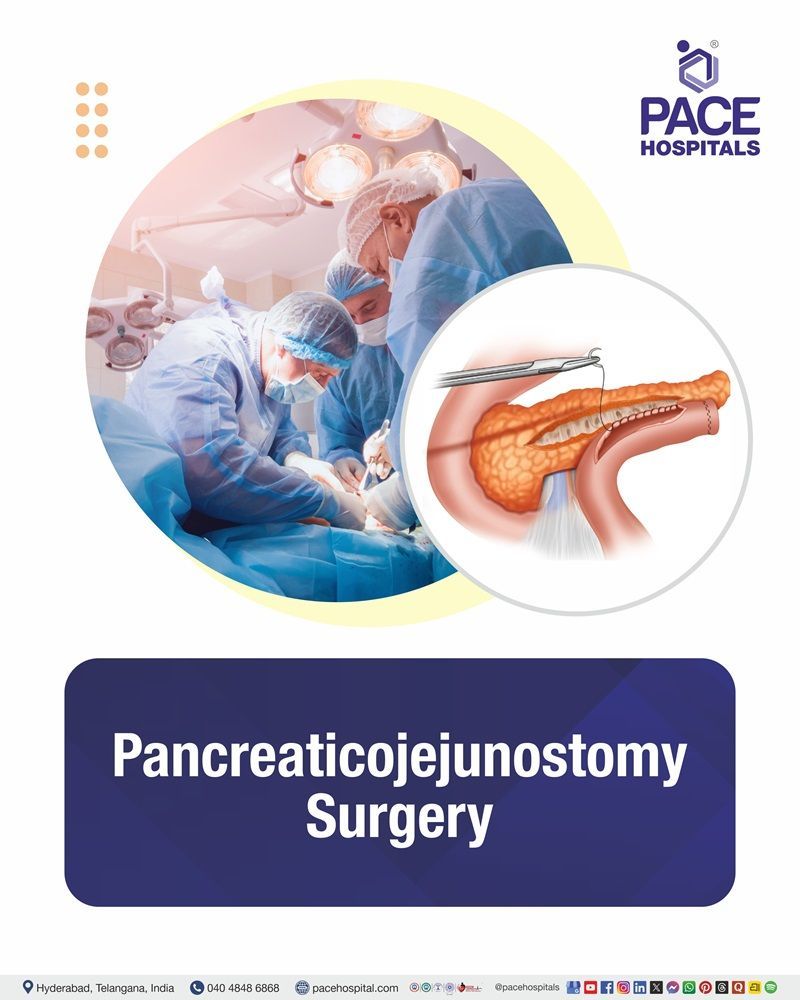
Pancreaticojejunostomy is a surgical procedure in which the pancreatic duct is connected to the jejunum, a part of the small intestine. The connection creates a new route for pancreatic juice to pass into the intestine when normal drainage through the pancreatic duct is blocked, narrowed, or otherwise impaired.
- The procedure may be performed as part of the treatment of conditions such as chronic pancreatitis with pancreatic duct obstruction or dilatation, pancreatic duct strictures, pancreatic duct stones, pancreatic trauma, or selected pancreatic surgical procedures. But the exact surgical technique depends on the underlying pancreatic condition, pancreatic duct anatomy, and the patient's overall health.
- Pancreaticojejunostomy surgery may be performed as an isolated drainage procedure or as part of another pancreatic operation, such as the Frey Procedure or other pancreatic surgeries, depending on the patient's condition and surgical requirements.
Pancreaticojejunostomy Surgery Cost in India
On average, the cost of Pancreaticojejunostomy Surgery in India may range from ₹1,80,000 to ₹10,00,000 and above (approximately US $1,881 – US $10444+). The actual cost may vary depending on several factors, including:
- Underlying pancreatic condition – Chronic pancreatitis, pancreatic duct stones, ductal strictures, trauma, or other pancreatic disorders may require different surgical approaches
- Type of pancreaticojejunostomy – The surgical technique and whether the procedure is performed alone or along with another pancreatic operation can affect the overall cost
- Pancreatic duct condition – The size and extent of duct dilatation, strictures, stones, or obstruction can influence surgical complexity
- Patient's age, overall health, and nutritional status – Diabetes, poor nutrition, liver or kidney problems, and other medical conditions may require additional evaluation and postoperative care
- Type of hospital – Charges can vary between private, corporate, and other hospital settings depending on the facilities and services provided
- Hospital facilities – Room category, operating theatre facilities, intensive care support, diagnostic services, and specialized surgical equipment can contribute to the total expense
- Anaesthesia and surgical team – The type of anaesthesia, duration of surgery, and expertise of the anaesthesiology and pancreatic surgical teams may influence the cost
- Pre-operative evaluation – Blood tests, pancreatic function assessment, Computed Tomography (CT), Magnetic Resonance Cholangiopancreatography (MRCP), Endoscopic Ultrasound (EUS), and other investigations may be required before surgery
- Post-operative care and hospital stay – Pain management, nutritional support, pancreatic enzyme replacement therapy when required, drain management, monitoring, and treatment of postoperative complications can affect the final cost
- Insurance coverage – Insurance approvals, policy benefits, cashless treatment facilities, and reimbursement eligibility may influence the patient's out-of-pocket expenses
Pancreaticojejunostomy Surgery Cost in Hyderabad, Telangana
On average, the cost of Pancreaticojejunostomy Surgery in Hyderabad may range from ₹2,00,000 to ₹9,00,000 and above (approximately US $2,089 – US $9,400+). The final cost depends on the underlying pancreatic condition, surgical technique, complexity of the procedure, and individual treatment requirements.
However, the cost of Pancreaticojejunostomy Surgery in Hyderabad is influenced by several factors, such as:
- Underlying pancreatic condition – chronic pancreatitis, pancreatic duct stones, ductal strictures, obstruction, or pancreatic injury may require different surgical approaches
- Type and extent of surgery – pancreaticojejunostomy may be performed alone or together with procedures such as the Frey Procedure or other pancreatic operations
- Consumables and surgical instruments used during the procedure, including sutures, drains, specialized instruments, and other surgical materials
- Hospital facility and infrastructure chosen, including the operating theatre, room category, intensive care support, diagnostic facilities, and postoperative services
- Surgeon expertise and pre-operative investigations, including blood tests, pancreatic and liver function tests, Computed Tomography (CT), Magnetic Resonance Cholangiopancreatography (MRCP), Endoscopic Ultrasound (EUS), and anaesthesia assessment
- Insurance or corporate approvals for cashless treatment and reimbursement facilities, depending on the patient's policy and eligibility
- Extent of pre-operative evaluation and post-operative care requirements, including nutritional support, pain management, pancreatic enzyme replacement therapy when required, drain management, and follow-up care
- Potential complications during or after the procedure, such as bleeding, infection, pancreatic or biliary leakage, delayed gastric emptying, or the need for prolonged hospitalization
Cost Breakdown According to Type of Pancreaticojejunostomy Procedure
- Standard Pancreaticojejunostomy (Duct-to-Mucosa) – ₹1,80,000 – ₹2,80,000+(US $1,880 – US $2,924 +) (approx.)
- Longitudinal Pancreaticojejunostomy (Puestow Procedure) – ₹2,00,000 – ₹5,00,000+ (US $2,089 – US $5,222+) (approx.)
- Pancreaticojejunostomy with Stone Extraction – ₹2,40,000 – ₹5,80,000 + (US $2,506 – US $6,057+) (approx.)
- Complex Pancreatic Reconstruction with Bypass or Additional Procedures – ₹5,00,000 – ₹9,00,000+ (US $5,222 – US $9,400+) (approx.)
- Minimally Invasive / Laparoscopic Pancreaticojejunostomy – ₹5,00,000 – ₹10,00,000+ (US $5,222 – US $10,444+) (approx.)
Note: The cost of Pancreaticojejunostomy Surgery depends on the surgical technique and the pancreatic condition being treated. The final estimate is determined after evaluation by the pancreatic surgical team, including assessment of the pancreatic duct, ductal obstruction or stones, pancreatic head involvement, previous procedures, overall health, and the need for additional surgical steps. In selected cases, Pancreaticojejunostomy may be performed as part of a larger operation, such as the Frey or Puestow procedure, rather than as an isolated procedure.
Additional Information: The overall cost of Pancreaticojejunostomy may change according to the type and complexity of reconstruction, the presence of pancreatic duct stones or strictures, the need for additional procedures, the surgical approach, and the patient's medical condition. Hospital stay, operating room requirements, anesthesia, surgical consumables, postoperative monitoring, nutritional support, drain management, and treatment of any complications can also affect the final expense. A patient-specific estimate is provided after the surgical team reviews the clinical findings and planned procedure.
Breakdown of Pancreaticojejunostomy Procedure Costs
The cost of a Pancreaticojejunostomy Procedure can differ based on the hospital, surgical technique applied, pancreatic condition being treated, and the patient’s general health. Factors such as pancreatic duct obstruction, ductal stones, strictures, previous pancreatic surgery, and the need for additional procedures can also influence the total expense. The major components of the cost are outlined below:
Pre-Surgery Costs
- Consultation Fees: Charges for consultations with pancreatic surgeons, gastroenterologists, or other specialists involved in assessing the pancreatic condition and deciding whether Pancreaticojejunostomy is appropriate.
- Diagnostic Tests: This may include blood tests, Liver Function Test (LFT), pancreatic function-related investigations, and imaging such as Computed Tomography (CT), Magnetic Resonance Imaging (MRI) with Magnetic Resonance Cholangiopancreatography (MRCP), or Endoscopic Ultrasound (EUS). These tests help assess the pancreatic duct, stones, strictures, obstruction, and surrounding structures.
- Routine Pre-Operative Tests for Anesthesia: Usually include Complete Blood Count (CBC), Liver Function Test (LFT), Kidney Function Test (KFT), blood sugar testing, and coagulation studies such as Prothrombin Time (PT) and Partial Thromboplastin Time (PTT), based on the patient’s medical condition.
- Cardiac and Pulmonary Evaluation: An Electrocardiogram (ECG/EKG), chest X-ray, or additional heart and lung assessment may be advised for patients with relevant medical conditions or when required before general anesthesia.
- Pre-Surgical Medical Assessment: It includes review of previous pancreatic treatment or surgery, current medications, associated medical conditions, nutritional status, physical examination, and assessment of the patient’s fitness for surgery.
Pancreaticojejunostomy Procedure Costs
- Hospitalization Charges: Includes the room and hospital services required before and after surgery. The cost may increase when a longer stay, intensive monitoring, or critical care is required.
- Surgical Procedure: Charges depend on the planned Pancreaticojejunostomy technique and the complexity of the pancreatic disease. The procedure may involve duct-to-mucosa reconstruction, longitudinal pancreatic drainage, stone removal, or additional pancreatic procedures. Surgeon and operating room charges are generally included in this component.
- Anesthesia and Surgical Team Fees: Covers general anesthesia, anesthesiologist charges, and the professional services of the surgical and operating room team.
- Surgical Consumables and Drains: Includes sutures, surgical instruments, drains, stapling or energy devices when required, and other disposable materials used during the operation.
Post-Surgery Care Costs
- Post-Operative Monitoring: This includes monitoring of vital signs, abdominal condition, fluid balance, wound healing, blood sugar, and early signs of complications such as bleeding, infection, or pancreatic leakage.
- Hospital Stay: The duration of hospitalization depends on the type and complexity of Pancreaticojejunostomy surgery and the patient’s recovery. Patients may require several days of inpatient care for pain control, gradual advancement of diet, drain management, bowel recovery, and other observation for postoperative complications.
- Post-Operative Medications: May include pain-relieving medicines, antibiotics when indicated, medicines for nausea or gastric symptoms, pancreatic enzyme replacement when required, and other prescribed medications.
- Nutritional Support: Some patients may need dietary modification, nutritional supplements, or pancreatic enzyme replacement depending on pancreatic function and their ability to tolerate food after Pancreaticojejunostomy surgery.
- Follow-Up Visits: Follow-up appointments assess wound healing, blood sugar control, abdominal symptoms, nutritional status,pancreatic function, and recovery after Pancreaticojejunostomy surgery. Additional investigations may be advised when clinically necessary.
This cost structure provides a clear view of the major expenses involved in Pancreaticojejunostomy procedure. At PACE Hospitals in Hyderabad, the final estimate is prepared after reviewing the patient’s pancreatic condition, imaging findings, planned surgical technique, overall health, and any additional treatment that may be required.
Who Needs Pancreaticojejunostomy Surgery?
Pancreaticojejunostomy is considered for patients whose pancreatic duct cannot drain pancreatic secretions normally because of narrowing, blockage, stones, or other structural problems. It is most often used in selected cases of chronic pancreatitis when ductal obstruction causes persistent pain or other complications and non-surgical treatment has not provided adequate relief.
Pancreaticojejunostomy may be recommended for specific pancreatic conditions:
- Painful Chronic Pancreatitis with Ductal Obstruction: Patients with persistent or recurrent pain associated with a dilated or obstructed main pancreatic duct may benefit from surgical drainage to reduce pressure within the duct.
- Pancreatic Duct Stones: Stones within the main pancreatic duct can interfere with the flow of pancreatic secretions and contribute to recurrent pain. Pancreaticojejunostomy may be considered when stones cannot be adequately managed with endoscopic or other less invasive treatment.
- Pancreatic Duct Strictures: Narrowing of the pancreatic duct can restrict pancreatic drainage and cause upstream ductal dilatation. Surgical drainage may be considered when the stricture is significant, and symptoms persist despite other treatments.
- Dilated Main Pancreatic Duct: A markedly enlarged pancreatic duct, particularly in chronic pancreatitis, can be suitable for drainage procedures in appropriately selected patients.
- Persistent Symptoms Despite Non-Surgical Treatment: Patients who continue to experience significant pain or recurrent pancreatic symptoms despite medicines, endoscopic procedures, or other conservative measures may be evaluated for surgical drainage.
- Pancreaticojejunostomy as Part of a Larger Pancreatic Operation: In some patients, the pancreaticojejunostomy is performed together with procedures such as the Frey or Puestow procedure, depending on pancreatic head involvement, duct anatomy, stones, strictures, and the extent of disease.
Surgical planning is individualized according to the underlying pancreatic disease, pancreatic duct size and anatomy, location of obstruction or stones, pancreatic head involvement, previous treatments, nutritional status, and overall health. The decision is usually made after assessment by a pancreatic surgeon and gastroenterology team, with appropriate imaging and pre-operative evaluation.
Who Is Not Eligible for Pancreaticojejunostomy?
Pancreaticojejunostomy may not be suitable for every patient with pancreatic disease. The procedure is generally considered only when the pancreatic duct anatomy and the underlying condition are appropriate for surgical drainage. Patients with certain active medical problems, unsuitable duct anatomy, or conditions requiring a different type of pancreatic surgery may need stabilization or an alternative treatment approach.
Pancreaticojejunostomy may not be recommended in certain situations:
- Acute Pancreatitis or Active Pancreatic Inflammation: Patients with an acute episode of pancreatitis are generally treated and stabilized before elective pancreatic drainage surgery is considered.
- Unsuitable Pancreatic Duct Anatomy: Patients with a small or non-dilated pancreatic duct, particularly when there is no suitable obstructive lesion for drainage, may not benefit from a conventional Pancreaticojejunostomy. An alternative surgical approach may be considered based on the anatomy.
- Suspected or Confirmed Pancreatic Cancer: When pancreatic cancer is present or strongly suspected, a different cancer-directed operation may be required rather than an isolated Pancreaticojejunostomy.
- Severe Medical or Anesthetic Risk: Patients with serious uncontrolled heart, lung, kidney, liver, or other systemic conditions may require treatment and stabilization before major pancreatic surgery can be considered.
- Active Infection or Uncontrolled Sepsis: Significant infection should generally be treated before elective reconstructive pancreatic surgery to reduce the risk of postoperative complications.
- Severe Malnutrition or Poor General Condition: Marked nutritional deficiency or poor physical condition may increase surgical risk. Nutritional and medical optimization may be required before proceeding.
- Extensive Pancreatic or Abdominal Disease Requiring Another Operation: Some patients may have advanced structural changes, previous complex abdominal surgery, or complications that make a different pancreatic procedure more appropriate.
The decision is made after reviewing the patient’s symptoms, underlying pancreatic disease, duct size and anatomy, imaging findings, previous treatments or surgeries, nutritional status, and overall fitness for surgery. A pancreatic surgeon and gastroenterology team may recommend medical optimization, endoscopic treatment, or another surgical procedure when Pancreaticojejunostomy is not appropriate.
Pancreaticojejunostomy Surgery – How Is the Procedure Done?
Pancreaticojejunostomy is a surgical procedure in which the pancreatic duct is connected to the jejunum, a part of the small intestine, to provide a new pathway for pancreatic secretions to drain into the intestine. It is commonly performed for selected patients with chronic pancreatitis, pancreatic duct stones, strictures, or other conditions that interfere with normal pancreatic drainage.
The procedure is usually performed under general anesthesia. Depending on the patient’s condition, duct anatomy, previous surgeries, and the planned operation, Pancreaticojejunostomy may be performed as part of an open pancreatic operation or, in selected cases, using a minimally invasive surgical approach.
The Pancreaticojejunostomy Procedure generally involves the following steps:
- Preoperative Evaluation: The pancreatic surgical team reviews the patient’s medical history, symptoms, previous treatments, and nutritional status. Imaging such as Computed Tomography (CT), Magnetic Resonance Imaging (MRI) with Magnetic Resonance Cholangiopancreatography (MRCP), or Endoscopic Ultrasound (EUS) may be used to assess the pancreatic duct, stones, strictures, obstruction, and surrounding structures. Blood tests and an anesthesia assessment are also performed to determine the patient’s fitness for surgery.
- Patient Preparation Guidelines: Before Pancreaticojejunostomy surgery, patients should supply a detailed list of their regular medications, including blood thinners, diabetes medications, vitamins, and herbal supplements. According to the surgical and anesthesia teams' guidelines, fasting for a specific period of time is essential before to general anesthesia. The patient may also be given prescribed medications or antibiotics if clinically appropriate, and the surgical team will prepare the abdomen in accordance with conventional infection-prevention practices.
- Surgical Exposure and Pancreatic Duct Identification: After anesthesia is administered, the surgeon accesses the pancreas through the planned surgical approach as needed for the patient. The affected portion of the pancreas is carefully exposed, and the main pancreatic duct (Wirsung’s duct) is identified. Nearby structures, including major blood vessels and the duodenum, are protected during surgical dissection.
- Pancreatic Duct Opening and Preparation: The pancreatic duct is opened along the required length when a longitudinal drainage procedure is planned. Any obstructing pancreatic duct stones or fibrotic tissue that interfere with drainage may be removed as appropriate. The duct is prepared to provide a suitable opening for connection with the intestine.
- Pancreaticojejunostomy and Drainage: A suitable segment of the jejunum is brought to the pancreas, and the pancreatic duct is surgically connected to the jejunum. Depending on the surgical technique, the connection may be created between the pancreatic duct and the intestinal lining (duct-to-mucosa anastomosis) or through another appropriate drainage technique. The surgeon carefully checks the anastomosis and surrounding area for bleeding or leakage before completing the reconstruction.
- Monitoring and Recovery: Pancreaticojejunostomy surgery patients are continuously followed for post-operative problems such as pancreatic leakage, hemorrhage, infection, blood glucose fluctuations, gastrointestinal difficulties, and stool function recovery. Pain is frequently treated with prescription medications, and fluids and nutrients are gradually modified based on recovery. A hospital stay of 7-10 days is common, though this can vary depending on the scope of the surgery and the individual recovery. Full recovery typically takes 6 weeks to 3 months, with follow-up appointments to monitor wound healing, pancreas function, nutrition, and overall improvement. Some patients may need pancreatic enzyme supplements or insulin depending on their pancreatic function.
Types of Pancreaticojejunostomy
Pancreaticojejunostomy can be performed using different surgical techniques depending on the pancreatic duct size, underlying disease, ductal obstruction or stones, pancreatic anatomy, and overall patient condition:
- Duct-to-Mucosa Pancreaticojejunostomy – The main pancreatic duct is directly connected to the mucosal lining of the jejunum. This creates a pathway for pancreatic secretions to enter the small intestine and is commonly used for pancreatic reconstruction after selected pancreatic surgeries.
- Invagination Pancreaticojejunostomy – The cut end of the pancreatic remnant is inserted into the jejunum and secured to create the pancreatic-intestinal connection. This is another established technique used for pancreatic reconstruction, particularly after pancreatic resection.
- Longitudinal Pancreaticojejunostomy (Puestow Procedure) – The main pancreatic duct is opened along its length and connected to a jejunal loop to improve pancreatic drainage. It is mainly used in selected patients with chronic pancreatitis and a significantly dilated pancreatic duct, particularly when ductal obstruction contributes to persistent pain.
- Modified Pancreaticojejunostomy Techniques – Surgeons may use modifications of standard duct-to-mucosa or invagination techniques, including different suture or binding methods, depending on the pancreatic duct, tissue characteristics, and type of pancreatic operation.
Note: The appropriate Pancreaticojejunostomy technique is selected according to the pancreatic duct size and anatomy, underlying pancreatic disease, presence of stones or strictures, pancreatic tissue characteristics, type of pancreatic surgery, and the patient's general health. These factors can also influence the complexity of the operation, hospital stay, recovery period, and overall treatment cost.
Post-Pancreaticojejunostomy Surgery Care Tips
Careful postoperative care is essential following Pancreaticojejunostomy surgery to promote healing, restore normal digestion, and limit the risk of problems during recovery, as mentioned:
- It is recommended that the patient attend all scheduled follow-up sessions with the pancreatic surgeon or treating surgical team to evaluate wound healing, nutritional status, abdominal complaints, pancreatic function, and overall health condition.
- It is suggested to start walking gradually, as directed by the pancreatic surgeon and surgical team. Light activity can assist to maintain circulation, promote bowel function, and lower the risk of blood clots following surgery.
- It is important to maintain adequate fluid intake unless the medical team has advised a fluid restriction. Proper hydration supports recovery and helps maintain normal bowel function.
- It is advised to keep the surgical incision clean and dry and follow the hospital's instructions for dressing changes and wound care to reduce the risk of infection.
- It is recommended to avoid smoking and alcohol during recovery. Smoking can interfere with wound healing, while alcohol may worsen pancreatic problems and should be avoided unless the treating doctor advises otherwise.
- It is advised to avoid heavy lifting, strenuous exercise, and other physically demanding activities until the surgical team confirms that the abdomen has healed adequately.
- It is recommended to follow the diet advised by the surgical and nutrition team. Food is generally reintroduced gradually after surgery, and smaller, more frequent meals may be easier to tolerate during the initial recovery period.
- Patients who have been prescribed pancreatic enzyme replacement therapy (PERT) should take the enzymes exactly as directed by the endocrinologist and specialist, particularly with meals and snacks, to support digestion when pancreatic enzyme production is reduced.
- Patients with diabetes or impaired pancreatic function should monitor blood glucose as advised by their medical team. Insulin or other diabetes medicines may need adjustment during recovery.
- It is recommended to take all prescribed medicines as directed, including pain medicines, antibiotics when prescribed, anti-nausea medicines, pancreatic enzymes, or other medications required after surgery.
- Patients taking blood-thinning medicines should restart or adjust them only according to the surgeon's instructions, as the timing may depend on bleeding risk and the individual's medical condition.
- It is advised not to drive while taking medicines that cause drowsiness or impair alertness, and driving should be resumed only when the patient is comfortable and cleared to do so.
- It is important to promptly contact the surgical team if warning signs develop, such as increasing or severe abdominal pain, persistent vomiting, high fever, worsening abdominal swelling, jaundice, bleeding, difficulty eating or drinking, wound redness or discharge, or other sudden changes in condition.
Key Factors Influencing Pancreaticojejunostomy Surgery Cost
The cost of Pancreaticojejunostomy Surgery can vary from patient to patient depending on the underlying pancreatic condition, surgical complexity, type of reconstruction, and level of care required. Understanding these important factors can help patients plan for the expenses associated with Pancreaticojejunostomy surgery:
Pre-Surgery Evaluation
The preoperative work-up may include consultation with a pancreatic surgeon or gastroenterologist, physical examination, blood tests, pancreatic and liver function assessment, nutritional evaluation, and imaging such as Computed Tomography (CT), Magnetic Resonance Imaging (MRI) with Magnetic Resonance Cholangiopancreatography (MRCP), or Endoscopic Ultrasound (EUS). A Pre-Anesthesia Check-up (PAC), Electrocardiogram (ECG), chest X-ray, and other investigations may be required based on the patient's age and other medical condition.
Insurance Coverage
The extent of insurance coverage and approval for cashless treatment can affect the amount the patient needs to pay personally. However, coverage may depend on the insurance policy, surgical procedure eligibility, hospital network, and preauthorization requirements.
Hospital and Location
The hospital selected, available surgical facilities, operating room infrastructure, intensive care services, and location can influence the overall cost. It has been commonly observed that hospitals in metropolitan areas may have different charges from smaller or suburban facilities.
Post-Surgery Care
Hospitalization, postoperative monitoring, pain management, nutritional support, drain management, medications, follow-up consultations, and treatment of any postoperative problems can contribute to the total cost of Pancreaticojejunostomy.
Complications During or After Surgery
Complications such as pancreatic leakage, bleeding, infection, delayed gastric emptying, abdominal collections, or other postoperative problems may require additional investigations, medicines, procedures, prolonged hospitalization, or intensive care, which can increase the overall expense.
Surgeon Expertise
Pancreaticojejunostomy surgery frequently necessitates specific surgical skills and coordinated care from experts such as pancreatic surgeons, anesthesiologists, gastroenterologists, critical care specialists, and skilled nursing teams. Professional expenses may vary depending on the specialist's and surgeon’s expertise and experience involved in the surgery.
Surgical Technique and Complexity
The type and extent of Pancreaticojejunostomy can influence the cost. A standard duct-to-mucosa reconstruction may differ in complexity from a longitudinal pancreaticojejunostomy (Puestow procedure) or a Pancreaticojejunostomy performed along with pancreatic resection, ductal stone removal, or other procedures. Complex or revision surgery may require additional operating time and resources.
Surgical Consumables and Additional Equipment
The procedure may require additional specialized surgical instruments, drains, sutures, energy devices, stapling devices, and other disposable materials. The quantity and type of consumables depend on the surgical technique and complexity of the case.
Travel and Accommodation
Patients travelling to Hyderabad from another city or state may also need to consider expenses for transportation, accommodation, meals, and stay for accompanying family members, particularly when multiple consultations or a longer postoperative stay is required.
Patient Health and Medical History
The patient's overall health, nutritional status, other associated medical conditions such as diabetes, heart or lung disease, previous abdominal or pancreatic surgery, and the severity of the underlying pancreatic disease can affect surgical planning and postoperative care. These factors may increase the complexity of treatment and, consequently, the overall cost of Pancreaticojejunostomy Surgery.
Why Choose PACE Hospitals for Pancreaticojejunostomy Surgery in Hyderabad, India?
PACE Hospitals, Hyderabad provides specialized care for Pancreaticojejunostomy Surgery and the management of complex pancreatic conditions:
- Highly experienced pancreatic surgeons, gastroenterologists, anesthesiologists, critical care specialists, and trained nursing staff
- Advanced operation theatres with modern surgical equipment, imaging and diagnostic facilities, minimally invasive surgical capabilities, and 24/7 Adult Emergency Care
- Dedicated post-operative monitoring and critical care facilities with diagnostic support for timely identification and management of complications following pancreatic surgery
- Patient-centred care with individualized treatment planning based on the pancreatic condition, duct anatomy, surgical requirements, and overall health, along with transparent cost estimates
For patients searching for the Best Hospital for Pancreaticojejunostomy Surgery in Hyderabad, Telangana, PACE Hospitals offer excellent multidisciplinary pancreatic care, sophisticated surgical facilities, and well-structured post-operative care.
Financial Assistance and Payment Plans at PACE Hospitals
Pancreaticojejunostomy Surgery can involve considerable hospital and postoperative expenses. The hospitals support eligible patients with insurance and cashless treatment facilities through:
- Cashless hospitalization with empanelled insurance providers and Third-Party Administrators (TPAs)
- Guidance for pre-authorization and documentation to help simplify the insurance approval process
- Reimbursement assistance when cashless treatment is not available under the patient's policy
- Transparent pre-admission cost estimates based on the planned Pancreaticojejunostomy procedure, surgical complexity, and expected hospital care
- Support for eligible corporate and government health schemes to help patients understand available coverage and reduce out-of-pocket expenses
Pancreaticojejunostomy Surgery Success Rate
Pancreaticojejunostomy surgery has a success rate of above 80% in carefully selected patients, especially when performed for chronic pancreatitis with a dilated pancreatic duct. But overall outcomes depend on several factors, including the underlying pancreatic condition, pancreatic duct anatomy, surgical expertise, the patient's overall health condition, and postoperative care.
Patients after undergoing Pancreaticojejunostomy may experience:
- Improved Pancreatic Drainage: The procedure creates a pathway for pancreatic secretions to flow into the jejunum, helping relieve pressure within the pancreatic duct.
- Improved Daily Function: Reduction in persistent pancreatic pain may allow patients to gradually return to their routine activities and improve their quality of life.
- Continued Pancreatic Function Monitoring: Pancreaticojejunostomy does not reverse existing pancreatic damage. Some patients may continue to require pancreatic enzyme supplements or treatment for diabetes, making long-term follow-up important.
Request a Personalized Treatment Cost Estimate
Every patient's medical condition and treatment plans are unique, which means the overall cost can vary. To receive an accurate estimate, our specialists evaluate your diagnosis, medical history, recommended treatment, and any necessary investigations before providing a detailed cost breakdown.
Whether you are planning a diagnostic test, treatment, or surgery, our team is here to help you understand the expected expenses and guide you through every step of the process.
Get in touch with us today to request a personalized treatment cost estimate.