Polypectomy (Polyp Removal Surgery) Cost in Hyderabad, India – 2026 Guide
Get a Cost Estimate for Polypectomy Surgery
Procedure & Surgery Cost Pages
All You Need to Know About Polyp Removal Surgery Cost
Polypectomy (Polyp Removal Surgery) is a surgical procedure performed to remove abnormal tissue growths called polyps that develop from the inner lining of various organs. Depending on the location, size, and characteristics of the polyp, removal may be performed using minimally invasive techniques or advanced surgical methods. Polyps can occur in different areas of the body, including the nose (nasal polyps), colon, rectum, stomach (gastric polyps), uterus (uterine polyps), cervix (cervical polyps), and endometrium (endometrial polyps).
- The polyp removal surgery procedure may involve endoscopic removal, colonoscopic polypectomy, hysteroscopic polypectomy, or surgical excision. The removed tissue is usually examined through histopathological testing to determine the nature of the polyp and guide further management.
- Modern minimally invasive polyp removal techniques allow many procedures to be performed with reduced discomfort, faster recovery, and minimal disruption to surrounding healthy tissues.
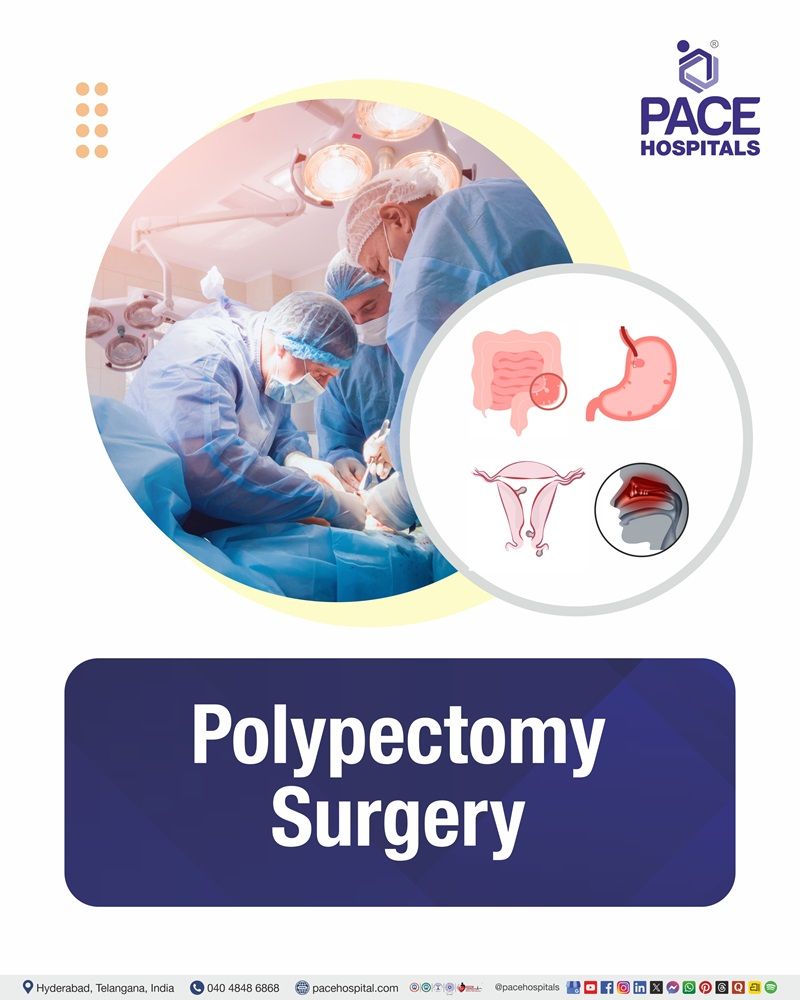
Polypectomy Surgery Cost in India
On average, the cost of Polypectomy (Polyp Removal Surgery) in India ranges from ₹4,000 to ₹2,00,000 and above (approximately US $42 – US $2,091). The actual polypectomy cost may vary depending on several factors, including:
- Location and type of polyp removed – Polyps occurring in the colon, rectum, stomach, nose, uterus, cervix, or endometrium may require different evaluation methods and removal techniques, affecting the overall cost
- Size, number, and characteristics of polyps – Small and single polyps may require simpler removal surgical procedures, whereas multiple, large, or complex polyps may need advanced techniques and additional monitoring
- Type of polypectomy procedure performed – The cost may vary depending on whether the procedure involves colonoscopic polypectomy, endoscopic gastric polyp removal, hysteroscopic polypectomy, or other specialized removal approaches
- Need for advanced endoscopic techniques – Procedures such as Endoscopic Mucosal Resection (EMR) or other advanced methods for large or difficult-to-remove polyps may increase the overall treatment cost
- Patient’s age, overall health, and medical history – Existing health conditions, previous surgeries, bleeding risks, or the need for additional medical optimization may influence treatment planning and expenses
- Type of hospital and location – Private, corporate, and trust-based hospitals may have different cost structures depending on available facilities, infrastructure, and services provided
- Hospital facilities and procedure-related requirements – Charges may vary based on endoscopy suite facilities, operation theatre support, sedation or anaesthesia requirements, monitoring services, and post-procedure care
- Surgeon expertise and medical team involvement – The experience of gastroenterologists, endoscopists, colorectal surgeons, gynecologists, ENT specialists, anaesthesiologists, and supporting healthcare teams involved in polyp removal can influence the overall cost
- Diagnostic evaluation and post-procedure care – Pre-procedure consultations, endoscopy/colonoscopy or hysteroscopy evaluation, biopsy and histopathology examination, medications, follow-up visits, and surveillance procedures may contribute to the total expense
- Insurance coverage – Cashless approvals, reimbursement policies, and insurance benefits may affect the patient’s final out-of-pocket expenses for polypectomy
Polypectomy Cost in Hyderabad, Telangana
On average, the cost of Polypectomy (Polyp Removal Surgery) in Hyderabad ranges from ₹6,000 to ₹1,50,000 and above (approximately US $63 – US $1045). This includes different types of polyp removal procedures such as colonoscopic polypectomy, gastric polyp removal, hysteroscopic polypectomy, endoscopic polypectomy, and advanced endoscopic procedures like Endoscopic Mucosal Resection (EMR), providing patients with minimally invasive treatment options and personalized care planning.
However, the cost of Polypectomy in Hyderabad is influenced by several factors, such as:
- Location and type of polyp removed – polyps in the colon, rectum, stomach, nose, uterus, cervix, or endometrium may require different evaluation methods and removal approaches, affecting the overall cost
- Size, number, and complexity of polyps – removal of small and single polyps may require simpler procedures, whereas large, multiple, or difficult-to-access polyps may need advanced techniques and additional monitoring.
- Type of polypectomy procedure performed – colonoscopic polypectomy, upper gastrointestinal endoscopic polypectomy, hysteroscopic polypectomy, or other specialized removal procedures may have different costs depending on the technique used
- Need for advanced endoscopic procedures and equipment – procedures such as Endoscopic Mucosal Resection (EMR), use of specialized snares, clips, or other endoscopic accessories may influence the total treatment expense
- Histopathology examination and diagnostic evaluation test – tissue biopsy analysis of the removed polyp, laboratory investigations, imaging studies, and additional assessments required for treatment planning contribute to the overall cost
- Hospital facility and infrastructure chosen – procedure room facilities, endoscopy units, operation theatre support, sedation facilities, room category, and post-procedure monitoring services can affect the final expense
- Surgeon expertise and multidisciplinary care – involvement of experienced gastroenterologists, endoscopists, colorectal surgeons, gynecologists, ENT specialists, anaesthesiologists, and supporting medical teams may influence the procedure cost
- Insurance or corporate approvals for cashless services – insurance eligibility, reimbursement policies, and cashless treatment facilities may affect the patient’s out-of-pocket expenses
- Extent of pre-procedure evaluation and post-procedure care requirements – including medical consultations, anaesthesia assessment, medications, follow-up visits, and surveillance procedures after polyp removal
- Potential complications during or after the procedure – bleeding, incomplete polyp removal, infection, or the need for additional procedures may increase the overall treatment cost
Cost Breakdown According to Type of Polypectomy
The cost of Polypectomy varies depending on the location of the polyp, removal technique, size and number of polyps, need for biopsy, and the complexity of the procedure. Different types of polypectomy procedures may have different cost ranges based on the specialist involved, hospital facilities, and additional treatment requirements.
- Cervical Polypectomy (Cervical Polyp Removal / Small Polyps usually outpatient) – ₹4,000 – ₹60,000 (US $42 – US $627) (approx.)
- Nasal Polypectomy (Endoscopic Nasal Polyp Removal) – ₹10,000 – ₹1,20,000 (US $105 – US $1,255) (approx.)
- Gastric Polypectomy (Endoscopic Stomach Polyp Removal) – ₹18,000 – ₹1,25,000 (US $188 – US $1,309) (approx.)
- Colon Polypectomy (Colonoscopic Polyp Removal) – ₹20,000 – ₹1,50,000 (US $209 – US $1,570) (approx.)
- Uterine Polypectomy/ Endometrial Polypectomy (Hysteroscopic Polyp Removal) – ₹30,000 – ₹1,50,000 (US $314 – US $1,570) (approx.)
- Advanced Polyp Resection (Endoscopic Mucosal Resection [EMR] / Endoscopic Submucosal Dissection [ESD] for Large or Complex Gastrointestinal Polyps) – ₹55,000 – ₹2,00,000+ (US $575 – US $2,617+) (approx.)
Note: The exact cost for an individual patient is determined after evaluation by the concerned specialist, such as a gastroenterologist, colorectal surgeon, ENT surgeon, gynecologist, or surgical team, depending on the location of the polyp. Factors such as polyp size, number, location, histopathology requirements, anaesthesia or sedation needs, associated medical conditions, and additional procedures required can influence the final cost.
Additional Information: The overall cost of polypectomy (Polyp Removal Surgery) may vary depending on whether the surgical procedure needed for advanced techniques such as Endoscopic Mucosal Resection (EMR)/ Endoscopic Submucosal Dissection (ESD), hospital stay, post-procedure monitoring, medications, follow-up consultations, and the expertise of the treating medical team. A personalized cost estimate is provided after detailed clinical evaluation.
Breakdown of Polypectomy (Polyp Removal Surgery) Costs
The cost of Polypectomy (Polyp Removal Surgery) can vary depending on the location, size, number, and type of polyp being removed, along with the procedure technique selected. Certain factors such as whether the polyp is located in the nose, stomach, colon, rectum, uterus, cervix, or endometrium; the need for advanced removal methods; histopathological evaluation; anaesthesia requirements; hospital facilities; and the patient’s overall health can influence the treatment cost. Below is a complete breakdown of the cost components involved in polypectomy:
Pre-Surgery Costs
- Consultation Fees: Charges for initial consultations with experienced surgical gastroenterologists, colorectal surgeons, ENT specialists, or gynecologists having expertise in surgical management may vary depending on the specialist’s expertise, hospital facilities, location, and complexity of the polyp evaluation.
- Diagnostic Tests: Include evaluation of symptoms, physical examination, and investigations such as colonoscopy, upper GI endoscopy, nasal endoscopy, hysteroscopy, ultrasound, or other imaging tests depending on the location of the polyp. These examinations help determine the size, number, and features of a given polyp prior to its removal and treatment.
- Routine Pre-Procedure Evaluation (for Sedation/Anaesthesia): A comprehensive assessment, including Complete Blood Count (CBC), Liver Function Test (LFT), Kidney Function Test (KFT), Blood Sugar Levels, and Coagulation Profile (PT/PTT), may be performed to ensure safety before sedation or anaesthesia.
- Cardiac and Pulmonary Evaluation: Electrocardiogram (ECG/EKG), chest X-ray, or additional cardiac assessment may be required for patients with existing heart or lung conditions undergoing sedation or anaesthesia.
- Pre-Procedure Screening including Medical History and Physical Examination: Assessment of overall health, medication history, bleeding risk, previous procedures, associated medical conditions, and fitness for undergoing polyp removal.
Polypectomy Procedure Costs
- Hospital / Day-Care Facility Charges: Costs may include use of procedure rooms, endoscopy or operation theatre facilities, recovery area monitoring, and short-term observation after the procedure. Extended monitoring may be required in patients with complex polyps or associated medical conditions.
- Polyp Removal Procedure: The cost mostly varies depending on the type of polypectomy performed, including colonoscopic polypectomy, gastric polypectomy, nasal polypectomy, hysteroscopic polypectomy, cervical polypectomy, endometrial polypectomy, or advanced endoscopic procedures such as Endoscopic Mucosal Resection (EMR), Endoscopic Submucosal Dissection (ESD). Charges include specialist fees, procedure-related expenses, and facility costs.
- Anaesthesia, Sedation, and Medical Team Fees: Includes charges for sedation or anaesthesia services, anaesthesiologists (if required), and the specialist team involved in performing and monitoring the procedure.
- Polyp Removal Instruments and Consumables: Includes procedure-specific equipment such as endoscopic snares, biopsy forceps, clips, cautery devices, surgical instruments, sutures (if required), and other consumables used during polyp removal.
- Histopathology Examination: The removed polyp tissue is usually sent for laboratory analysis (a specific biopsy test may be done) to determine whether it is benign, precancerous, or requires further management. The cost of tissue processing and pathology reporting contributes to the overall expense.
Post-Procedure Care Costs
- Post-Procedure Monitoring: Includes observation after sedation or anaesthesia, monitoring for bleeding, pain, discomfort, or other procedure-related concerns, and assessment before discharge.
- Hospital Stay: Most polypectomy procedures are performed as day-care procedures or require a short hospital stay. However, complex polyp removal, advanced endoscopic procedures, or associated medical conditions may require extended monitoring.
- Post-Procedure Medications: Includes prescribed medicines such as pain-relief medications, antibiotics (if required), acid-reducing medications for gastric procedures, or other supportive medicines based on the respective procedure or type of polypectomy performed.
- Follow-Up Visits: Routine follow-up consultations with the concerned specialist to review histopathology reports, assess recovery, and plan further treatment or surveillance if required.
This cost structure helps patients understand the various expenses involved in Polypectomy (Polyp Removal Surgery). PACE Hospitals, Hyderabad provides personalized cost estimates based on the location and complexity of the polyp, type of removal procedure, patient health condition, and overall treatment requirements, ensuring appropriate care planning and transparent guidance.
Who Needs Polypectomy?
Polypectomy (Polyp Removal Surgery) is recommended for patients who have polyps that cause symptoms, show suspicious changes, increase in size, or carry a potential risk of complications. The procedure involves removing abnormal tissue growths from areas such as the colon, rectum, stomach, nose, uterus, cervix, or endometrium to relieve symptoms, prevent future complications, and allow detailed examination through histopathology.
Polypectomy is generally recommended for specific medical conditions:
- Symptomatic Polyps Causing Bleeding or Discomfort: Different polyps that cause symptoms such as rectal bleeding, blood in stool, abdominal discomfort, nasal blockage, breathing difficulties, loss of smell, abnormal uterine bleeding, or other related symptoms may require removal for symptom relief and further evaluation.
- Large or Growing Polyps: Polyps that increase in size, become difficult to monitor, or have features suggesting a higher risk of abnormal changes may be recommended for removal.
- Precancerous or Suspicious Polyps: Certain polyps, especially in the colon and stomach, may contain abnormal or precancerous cells. Removing these polyps helps prevent progression and allows accurate histopathological assessment.
- Colon and Rectal Polyps with Cancer Risk: Adenomatous polyps and certain colorectal polyps may have the potential to develop into cancer over time. Colonoscopic polypectomy helps remove these growths and supports colorectal cancer prevention.
- Gastric Polyps or Gastrointestinal Polyps Requiring Evaluation or Treatment: Stomach polyps that are large, symptomatic, or have suspicious characteristics on endoscopy may require removal and tissue analysis.
- Nasal Polyps Causing Breathing Problems: Patients with persistent nasal polyps causing nasal blockage, reduced sense of smell, recurrent sinus problems, or poor response to medical treatment may require endoscopic nasal polyp removal.
- Uterine, Cervical, or Endometrial Polyps Causing Abnormal Bleeding: Polyps in the female reproductive system that cause heavy menstrual bleeding, bleeding after menopause, infertility concerns, or abnormal discharge may require removal and evaluation.
- Polyps Not Responding to Medical Management or Requiring Definitive Diagnosis: When symptoms persist despite conservative treatment, or when the nature of the polyp requires confirmation, excision may be recommended.
Polypectomy (Polyp Removal Surgery) planning is determined by the polyp's location, size, quantity, and type, as well as symptoms, histopathological findings, patient age, overall health, and related medical risks. To ensure safe and optimal outcomes, the treatment is performed under the supervision of expert surgical gastroenterologists, endoscopists, colorectal surgeons, ENT specialists, gynecologists, anesthesiologists, and skilled healthcare teams, depending on the location of the polyp.
Who is Not Eligible for Polypectomy?
Polypectomy (Polyp Removal Surgery) may not be suitable for every patient with a polyp. Certain medical conditions, procedural risks, or characteristics of the polyp may require additional evaluation, medical optimization, alternative treatment approaches, or careful planning before removal. Polypectomy may not be recommended or may require special consideration in the following situations:
- Active Infection at the Treatment Site: Patients with ongoing infections related to the area where the polyp is located, such as active sinus infection, gastrointestinal infection, or pelvic infection, may require treatment before undergoing polyp removal.
- Severe or Uncontrolled Medical Conditions: Patients with uncontrolled diabetes, serious heart or lung conditions, significant kidney or liver dysfunction, or poor overall health may require stabilization before undergoing a procedure involving sedation, anaesthesia, or surgery.
- Bleeding or Clotting Disorders: Patients with bleeding disorders or those taking blood-thinning medications may have an increased risk of bleeding during or after polypectomy. Medication adjustments may be required under medical supervision before the procedure.
- Inability to Safely Undergo Sedation or Anaesthesia: Patients who cannot tolerate sedation or anaesthesia due to severe medical conditions may require alternative approaches or additional evaluation before proceeding with polyp removal.
- Large, Complex, or Difficult-to-Access Polyps: Certain large polyps, deeply located polyps, or those involving surrounding tissues may not be suitable for routine polypectomy or general polyp removal surgery and may require advanced endoscopic techniques or surgical management.
- High Suspicion of Cancer Requiring Different Management: Polyps with features strongly suggestive of invasive cancer may require a different treatment approach rather than simple polyp removal, depending on biopsy findings and specialist evaluation.
- Poor General Health or High Procedural Risk: Patients with multiple uncontrolled medical conditions who may not safely tolerate the procedure may require optimization of health conditions before considering polypectomy.
- Incomplete Evaluation of the Polyp: When the location, size, or nature of the polyp is unclear, additional investigations may be needed before deciding the appropriate removal technique.
- Pregnancy (Certain Cases): Polypectomy during pregnancy is considered only when medically necessary. The timing and need for the procedure are carefully evaluated to balance the health of the mother and baby.
- Patient Unwillingness or Lack of Consent: Patients who do not wish to undergo the procedure after understanding the benefits, risks, and available alternatives may not proceed with polypectomy.
A detailed assessment by the concerned specialist, such as a surgical gastroenterologist, colorectal surgeon, ENT specialist, gynecologist, or surgical team, is essential before polypectomy. Evaluation includes medical history, physical examination, polyp characteristics, diagnostic findings, associated health conditions, and procedural fitness to ensure safe treatment planning and appropriate outcomes.
Polypectomy (Polyp Removal Surgery) – How is the Procedure Done?
Polypectomy (Polyp Removal Surgery) is a procedure used to remove abnormal tissue growths called polyps from areas such as the nose, stomach, colon, rectum, uterus, cervix, and endometrium. The technique used depends on the polyp’s location, size, number, appearance, and the patient’s health. Depending on the site, removal may be performed through endoscopy, colonoscopy, hysteroscopy, nasal endoscopy, or surgical excision, with local, regional, or general anaesthesia or sedation when required.
The Polypectomy procedure generally involves the following steps:
- Pre-procedure Evaluation: The treating specialist reviews the patient’s symptoms, medical history, medications, and previous procedures. Appropriate investigations, such as colonoscopy, upper GI endoscopy, nasal endoscopy, hysteroscopy, ultrasound, or other imaging, may be performed to assess the polyp and plan its removal.
- Patient Preparation Guidelines: Patients should inform the medical team about all prescription medicines, over-the-counter drugs, blood thinners, allergies, and supplements they take. Depending on the procedure, fasting or bowel preparation may be required. The preparation is explained according to the location of the polyp and the planned technique.
- Selection of Removal Technique: The specialist decides the appropriate treatment method based on the polyp's size, location, and characteristics. Small accessible polyps may be removed using a snare polypectomy or biopsy forceps, while larger or more complex polyps may require advanced techniques such as Endoscopic Mucosal Resection (EMR), Endoscopic Submucosal Dissection (ESD) or another specialized procedure. Uterine or endometrial polyps are commonly removed through hysteroscopy.
- Polyp Removal: The polyp is identified and carefully separated from the surrounding tissue using the selected technique. During endoscopic or colonoscopic removal, instruments are passed through the scope to cut and retrieve the polyp. Measures such as cautery or clips may be used when necessary to control bleeding. A snare polypectomy uses a small wire loop placed around the polyp to cut and remove it; a cold snare may be used for suitable small polyps, while electrocautery may be used when required. Forceps removal uses small grasping forceps to gently remove very small polyps. For larger or complex polyps, advanced techniques such as Endoscopic Mucosal Resection (EMR) may be considered.
- Specimen Collection and Bleeding Control: The removed polyp is collected and usually sent for histopathological examination (biopsy, depending on the need) to determine its exact nature. The treatment area is checked for bleeding, and appropriate measures are taken to achieve haemostasis before the procedure is completed.
- Monitoring and Recovery: After polypectomy, the patient is observed for at least 24 hours for symptoms such as bleeding, pain, dizziness, or reactions to sedation or anaesthesia. Many endoscopic and hysteroscopic procedures are completed as day-care treatments, although complex cases may require a longer period of observation and recovery, which may take one or two weeks. Patients receive instructions regarding diet, medications, activity, and warning signs. Follow-up is arranged to review the pathology report and determine whether further treatment or surveillance is required.
Following the instructions provided by the treating specialist helps support recovery, identify complications early, and ensure appropriate follow-up after polyp removal.
Types of Polypectomy
Polypectomy is performed using different techniques depending on the location, size, shape, and characteristics of the polyp. The main types of polypectomy include:
- Cervical Polypectomy – Removal of a polyp arising from the cervix. Small cervical polyps can often be removed as a simple procedure, while larger or difficult-to-remove polyps may require a more specialized approach.
- Gastric Polypectomy – Removal of polyps from the stomach using an upper gastrointestinal endoscope. Depending on the size and appearance of the polyp, the specialist may use a snare, forceps, or another endoscopic technique.
- Colon Polypectomy – Removal of polyps from the colon during colonoscopy. A snare is commonly used to remove the polyp, while the technique may be modified according to its size, shape, and location.
- Nasal Polypectomy – Removal of nasal polyps through the nasal passages using an endoscope and specialized instruments. It may be considered when persistent nasal obstruction, reduced sense of smell, or related symptoms do not improve adequately with medical treatment.
- Uterine Polypectomy / Endometrial Polypectomy – Removal of polyps from the uterine or endometrial lining using hysteroscopy. The hysteroscope allows the gynecologist to view the polyp directly and remove it through the natural passage without an abdominal incision.
- Advanced Polyp Resection (Endoscopic Mucosal Resection [EMR] / Endoscopic Submucosal Dissection [ESD]) – Larger, flat, broad-based, or complex gastrointestinal polyps may require advanced endoscopic techniques. EMR removes the lesion along with the affected superficial layer, while ESD allows more precise removal of deeper or larger lesions when clinically appropriate.
Note: The appropriate technique is selected after assessing the polyp’s location, size, number, appearance, and suspected nature, along with the patient’s overall health and procedural requirements. The method chosen by the surgical specialist can also influence the anaesthesia or sedation needed, recovery period, histopathology evaluation, and overall treatment cost.
Post-Polypectomy Care Tips
After polypectomy, appropriate postoperative care during the recovery period helps the treated area heal properly and avoid a more problematic outcome, reduces the risk of complications, and supports complete recovery as follows:
- It is recommended to attend scheduled follow-up appointments with the concerned specialist and surgical team to review the healing process, discuss the histopathology report (based on biopsy results), and plan further treatment or surveillance if required.
- It is advised to follow the diet recommended by the treating team, particularly after gastrointestinal polyp removal, and gradually return to the usual diet as tolerated.
- It is recommended to drink adequate fluids unless fluid restriction has been advised for another medical condition.
- It is advised to take prescribed medicines as directed and avoid starting painkillers, blood thinners, or other medicines without consulting the treating doctor.
- It is suggested to avoid strenuous physical activity, heavy lifting, or vigorous exercise for the period advised by the specialist, particularly after larger or complex polyp removal.
- It is recommended to maintain proper hygiene of the treated area, especially after nasal, cervical, or uterine polyp procedures.
- It is advised to avoid smoking and alcohol during the early recovery period, as they may interfere with healing and increase the risk of complications.
- It is recommended to follow any specific bowel or dietary instructions provided after colonoscopic or gastric polyp removal.
- It is advised to avoid sexual activity or using vaginal products for the duration recommended after uterine, endometrial, or cervical polypectomy.
- It is suggested to avoid strenuous nose blowing or activities that may irritate the nasal passage after nasal polyp removal, as advised by the ENT specialist.
- It is recommended to avoid driving if sedation or anaesthesia has been administered until its effects have completely worn off and the treating team confirms it is safe.
- It is advised to seek medical attention promptly if symptoms such as heavy or persistent bleeding, severe abdominal or pelvic pain, high fever, breathing difficulty, repeated vomiting, dizziness, or worsening symptoms as mentioned develop after the polypectomy procedure.
Following the instructions provided by the treating surgical specialist and the surgical team helps support safe recovery, enables early identification of complications, and ensures appropriate follow-up after polyp removal surgery.
Key Factors Influencing Polypectomy Cost
The cost of polypectomy (polyp removal surgery) is determined by several factors, including the polyp's location and size, the number of polyps, the removal technique used, the need for histopathological testing (biopsy), and the patient's overall health. Understanding these essential factors assists people in managing their treatment expenses and making informed decisions regarding various polypectomy (different types of polyp removal surgery) options:
Pre-Procedure Evaluation
A detailed assessment before polypectomy contributes to the overall treatment cost. This may include consultation with an experienced gastroenterologist, colorectal surgeon, ENT specialist, gynecologist, or other relevant specialist, along with physical examination and review of the patient’s symptoms and medical history. Depending on the polyp location, investigations such as blood tests, imaging, endoscopy, colonoscopy, nasal endoscopy, or hysteroscopy may be required. Pre-anaesthesia evaluation and other tests may also be advised when sedation or anaesthesia is planned.
Insurance Coverage
Insurance benefits, policy terms, and approvals for cashless treatment may influence the patient’s final out-of-pocket expenses for polypectomy.
Hospital and Location
The cost may vary depending on the hospital selected, its location, procedure facilities, endoscopy or operation theatre infrastructure, available equipment, and post-procedure monitoring services.
Post-Procedure Care
Follow-up consultations, observation after sedation or anaesthesia, medications, wound or treatment-site care, review of histopathology reports, and additional surveillance may contribute to the overall treatment cost during polypectomy.
Complications During or After the Procedure
Unanticipated problems such as heavy bleeding, infection, tissue injury, incomplete polyp removal, or the need for an additional procedure may increase the total treatment expense.
Specialist Expertise
The experience of the gastroenterologist, endoscopist, colorectal surgeon, ENT specialist, gynecologist, anaesthesiologist, and supporting medical team, depending on the polyp location, can influence the procedure cost.
Type of Polypectomy and Procedural Complexity
The procedure used to remove different polyps has a significant impact on the final cost. The procedures for cervical, gastric, colon, nasal, uterine, and endometrial polypectomy may differ, as they require varying degrees of levels of invasion. Large, extensive, or complex gastrointestinal polyps may demand advanced techniques such as Endoscopic Mucosal Resection (EMR) or Endoscopic Submucosal Dissection (ESD), which may increase treatment expenses.
Procedure-Related Equipment and Consumables
The overall cost of the polypectomy may include the purchase of endoscopic accessories (wire loops used to cut and remove polyps), surgical instruments, snares, forceps, clips, cautery equipment, biopsy materials, surgical consumables, and other procedure-specific items.
Travel and Accommodation
Patients travelling from other cities or states may also need to consider expenses for transportation, accommodation, meals, and stay for accompanying family members while planning the overall treatment budget.
Patient Health and Medical History
The patient's age, pre-existing medical disorders or comorbidities, medication history, bleeding risk, past surgeries, and overall fitness for sedation or anesthesia can all have an impact on the polypectomy's difficulty, recovery time, and overall cost.
Why Choose PACE Hospitals for Polypectomy in Hyderabad, India?
PACE Hospitals, Hyderabad provides comprehensive care for Polypectomy (Polyp Removal Surgery) with appropriate specialist evaluation, advanced procedural facilities, and treatment planning based on the location and characteristics of the polyp:
- Experienced surgical gastroenterologists, colorectal surgeons, endoscopists, ENT specialists, gynecologists having expertise in managing surgery, anaesthesiologists, and trained nursing staff provide coordinated care according to the type and location of the polyp
- Well-equipped endoscopy units and operation theatres with advanced equipment, appropriate infection-control practices, and anaesthesia support help facilitate safe polyp removal procedures
- Dedicated post-procedure monitoring and diagnostic facilities support early identification and management of bleeding, infection, or other recovery-related concerns
- Individualized treatment planning with appropriate counselling and transparent cost guidance is provided based on the polyp location, size, number, removal technique, histopathology requirements, and patient’s medical condition
For patients looking for the Best Hospital for Polypectomy in Hyderabad, Telangana, PACE Hospitals offers specialized care, advanced polyp removal techniques, multidisciplinary support, and comprehensive treatment planning based on individual requirements of the patients.
Financial Assistance and Payment Plans at PACE Hospitals
PACE Hospitals supports patients undergoing Polypectomy or Polyp Removal Surgery with financial guidance and assistance for insurance-related processes:
- Cashless treatment facilities are available through empanelled insurance providers and Third-Party Administrators (TPAs), wherever applicable
- Assistance with insurance pre-authorization and documentation is provided to help patients understand and complete the required formalities
- Support for reimbursement procedures is available when cashless treatment is not applicable
- Detailed cost estimates are provided before admission or the procedure based on the type of polypectomy, specialist requirements, and individual treatment needs
- Guidance on eligible corporate and government healthcare schemes is provided to help patients understand available financial support options
Polypectomy Success Rate
Polypectomy is generally a highly effective procedure for removing accessible polyps, with the outcome depending on the polyp’s location, size, number, type, and removal technique. Complete removal is important because some polyps may contain precancerous or abnormal changes, and the removed tissue is usually examined through histopathology to determine further follow-up requirements. Types of Polypectomy and approximate Success Rates are mentioned:
- Cervical Polypectomy: >90% in suitable cases
- Gastric Polypectomy: Approximately 90%–95%+
- Colon Polypectomy: Approximately 90%–99%
- Nasal Polypectomy: Approximately 85%–95% initial improvement
- Uterine / Endometrial Polypectomy: Approximately 90%–98%
- Advanced Polyp Resection (EMR / ESD): Approximately 90%–98% for appropriately selected lesions
Patients may experience different benefits after polyp removal depending on the location of the polyp, symptoms it was causing, and the type of polypectomy performed. The following table outlines the common types of polypectomy and the relief that may be expected after successful removal:
Type of Polypectomy and Possible Relief After Polyp Removal
- Cervical Polypectomy: Removal of a cervical polyp may reduce abnormal vaginal bleeding, bleeding after intercourse, spotting, or unusual vaginal discharge when these symptoms are caused by the polyp.
- Gastric Polypectomy: Removal of symptomatic stomach polyps may help reduce upper abdominal discomfort, nausea, vomiting, or gastrointestinal bleeding when the polyp is responsible for these symptoms.
- Colon Polypectomy: Removing symptomatic or potentially precancerous colon polyps may help manage rectal bleeding or other polyp-related bowel symptoms and, importantly, can reduce the risk of colorectal cancer from certain precancerous polyps.
- Nasal Polypectomy: Removal of nasal polyps can improve nasal breathing, sense of smell, nasal discharge, facial pressure, and overall sinus-related quality of life.
- Uterine / Endometrial Polypectomy: Hysteroscopic removal may reduce heavy or irregular menstrual bleeding, intermenstrual spotting, and bleeding after menopause when an endometrial polyp is the underlying cause. Studies have reported improvement in abnormal uterine bleeding after hysteroscopic polypectomy.
- Advanced Polyp Resection (EMR / ESD): Removal of large or complex gastrointestinal polyps can eliminate the abnormal lesion while providing tissue for histopathological assessment, helping determine whether additional treatment or surveillance is needed.
Note: The degree of relief varies from patient to patient and depends on whether the polyp was responsible for the symptoms. Some patients may have no noticeable symptoms before removal. Recurrence or development of new polyps is also possible with certain types, particularly nasal and certain gastrointestinal polyps, so follow-up may be recommended by the treating specialist.
Request a Personalized Treatment Cost Estimate
Every patient's medical condition and treatment plans are unique, which means the overall cost can vary. To receive an accurate estimate, our specialists evaluate your diagnosis, medical history, recommended treatment, and any necessary investigations before providing a detailed cost breakdown.
Whether you are planning a diagnostic test, treatment, or surgery, our team is here to help you understand the expected expenses and guide you through every step of the process.
Get in touch with us today to request a personalized treatment cost estimate.