Sigmoidoscopy Test Cost in Hyderabad, India – 2026 Guide
Get a Cost Estimate for Sigmoidoscopy Test
Procedure & Surgery Cost Pages
All You Need To Know About Sigmoidoscopy
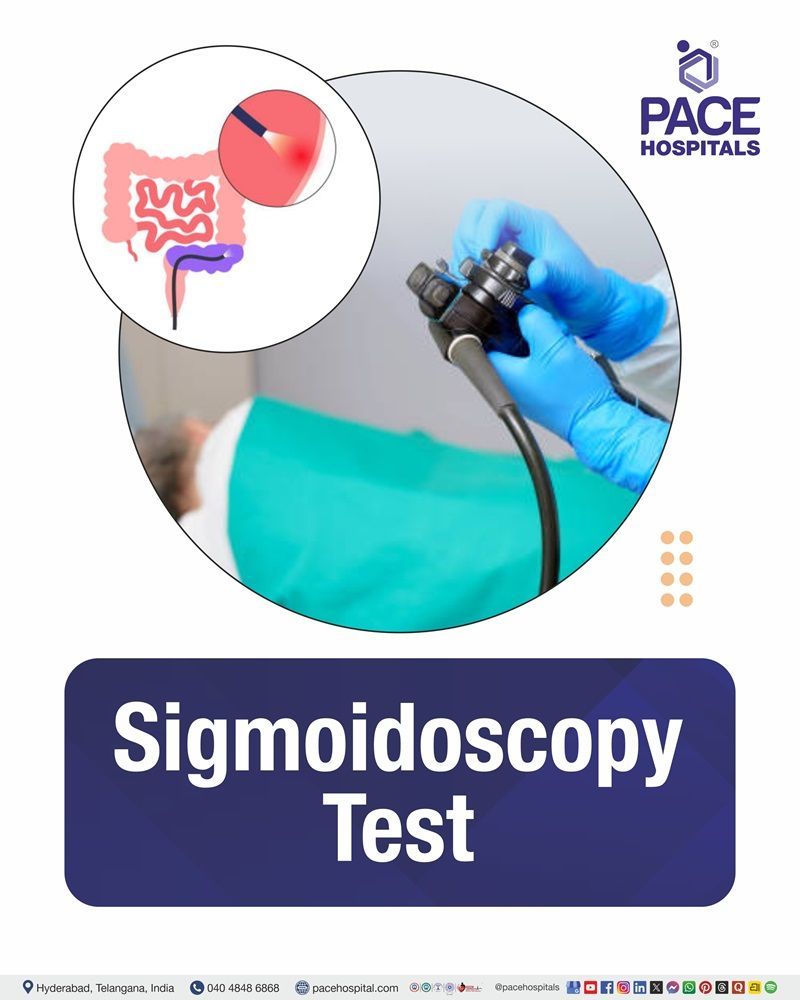
Sigmoidoscopy is a diagnostic procedure used to examine the rectum and lower part of the large intestine (sigmoid colon) using a thin, flexible tube with a camera. It helps doctors identify the cause of symptoms such as rectal bleeding, changes in bowel habits, persistent diarrhoea, or unexplained lower abdominal discomfort.
During the procedure, the sigmoidoscope is gently inserted through the anus to reach the rectum and sigmoid colon. The doctor checks the intestinal lining and may extract a small tissue sample or remove specific polyps as needed.
Sigmoidoscopy takes about 15–30 minutes, although the duration may vary depending on what is found and whether additional procedures are performed. Most patients do not require general anaesthesia, although sedation may be offered depending on the patient's condition and the type of procedure.
After the test, patients may experience brief bloating, abdominal discomfort, or increased gas for a short period. Many people return to their routine activities on the same day, when sedation is not utilised.
Sigmoidoscopy Cost in India
The estimated sigmoidoscopy price in India ranges between ₹1,500 - ₹25,000+ (approximately US $15 - US $261+). The actual cost may vary depending on the type of sigmoidoscopy, hospital, whether sedation or biopsy is required, and other factors. However, the sigmoidoscopy test price in India is influenced by certain factors, such as: -
- The patient's age, overall health, and medical condition.
- Type of procedure (flexible or rigid sigmoidoscopy).
- Whether a biopsy or polyp removal is performed during the procedure.
- Use of sedation or anaesthesia, if required.
- The type of hospital and its endoscopy facilities.
- Hospital or day-care charges, including procedure room and recovery area.
- Pre-procedure consultation and required investigations.
- Pathology charges if a biopsy sample is taken.
- Follow-up consultation and post-procedure care.
- Any complications or additional treatment required during or after the procedure.
Sigmoidoscopy Cost in Hyderabad, Telangana
On average, sigmoidoscopy test cost in Hyderabad ranges between ₹2,000 - ₹8,500 (approximately US $21 - US $ 89). However, the price of sigmoidoscopy in Hyderabad is influenced by several factors, such as:
- The patient's age, symptoms, overall health, and medical history.
- Type of sigmoidoscopy performed and the extent of examination required.
- Whether sedation or anaesthesia is required during the procedure.
- Hospital facility chosen and its infrastructure.
- Pre-procedure consultation, bowel preparation, and diagnostic tests.
- Whether a biopsy or polyp removal is performed during the procedure.
- Pathology charges for analysing biopsy samples, if taken.
- Insurance or corporate approvals for cashless services, where applicable.
- Post-procedure observation and follow-up requirements.
- Any complications or additional treatment required during or after the procedure.
Cost Breakdown According to the Type of Sigmoidoscopy Test
- Flexible Sigmoidoscopy – Total Procedure Cost: ₹2,000 – ₹7,000 (US $21 – US $73) approx.
- Flexible Sigmoidoscopy with Sedation – Total Procedure Cost: ₹7,000 – ₹8,300 (US $73 – US $87) approx.
- Sigmoidoscopy with Biopsy – Total Procedure Cost: ₹7,000 – ₹10,000 (US $73 – US $104) approx.
- Sigmoidoscopy with Polyp Removal – Total Procedure Cost: ₹8,000 – ₹19,000 (US $83 – US $199) approx.
- Sigmoidoscopy with Biopsy and Polyp Removal – Total Procedure Cost: ₹10,000 – ₹25,000+ (US $104 – US $262+) approx.
Note: These are estimated costs. The exact cost for an individual patient is determined after evaluation by the gastroenterologist, including assessment of symptoms, medical history, need for sedation, and whether biopsy or polyp removal is required.
Additional Information: The cost of a sigmoidoscopy test may vary depending on the type of examination, sedation or anaesthesia requirements, hospital and endoscopy facilities, specialist fees, bowel preparation, biopsy or polyp removal, pathology charges, and post-procedure observation. Additional procedures performed during sigmoidoscopy may increase the overall cost.
Breakdown of Sigmoidoscopy Test Costs
The total cost of a sigmoidoscopy test may vary depending on the hospital, the type of sigmoidoscopy undergoing, sedation requirements, and whether additional procedures are performed. Below is a detailed breakdown of the expenses associated with a sigmoidoscopy procedure:
Pre-Procedure Costs
- Consultation Fees: Charges for consultation with a gastroenterologist, which may vary depending on the specialist's expertise and hospital.
- Diagnostic Tests: Blood tests or other investigations may be advised based on the patient's symptoms, medical history, and overall health.
- Pre-Procedure Screening: A health assessment is performed to review medications, allergies, medical conditions, and fitness for the procedure and sedation, if required.
- Bowel Preparation: The cost may include medicines or preparation required to empty the lower part of the colon before the examination.
Sigmoidoscopy Procedure Costs
- Hospitalization Charges: Most sigmoidoscopy procedures are performed as day-care procedures. Charges may include the endoscopy unit, recovery area, and nursing services.
- Sigmoidoscopy Procedure: Covers the cost of the examination, including gastroenterologist's fees, endoscopy equipment, procedure room charges, and related consumables.
- Sedation and Medical Team Fees: If sedation is required, additional charges may include the sedative medicines, anaesthesiologist or sedation team, and monitoring during the procedure.
- Biopsy or Polyp Removal: If an abnormal area or polyp is found, additional charges may apply for biopsy, polyp removal, and related instruments or consumables.
- Pathology Charges: If a tissue sample is collected, laboratory charges for examining the biopsy under a microscope may be added.
Post-Procedure Care Costs
- Post-Procedure Monitoring: Includes monitoring of vital signs, recovery from sedation if used, and observation for any immediate complications.
- Recovery and Discharge: Most patients can go home the same day after a short period of observation, depending on their condition and whether sedation was used.
- Follow-Up Visits: Follow-up consultation may be required to discuss biopsy results, explain the findings, and plan further treatment if necessary.
Note: This cost structure helps patients understand the main expenses associated with a sigmoidoscopy test. At PACE Hospitals, Hyderabad, we provide personalised cost estimates based on the patient's symptoms, medical requirements, procedure type, and any additional intervention that may be needed.
Who Needs a Sigmoidoscopy Test?
A sigmoidoscopy is not required for everyone with digestive or bowel symptoms. It is usually recommended when doctors need to examine the rectum and the lower part of the colon (sigmoid colon) to identify the cause of symptoms or to investigate an abnormality found on other tests.
Common Conditions Indicating Need for a Sigmoidoscopy Test
- Rectal bleeding: Sigmoidoscopy can help identify causes of fresh blood in the stool, such as haemorrhoids, polyps, inflammation, or other abnormalities in the lower colon.
- Persistent changes in bowel habits: It may be recommended for ongoing diarrhoea, constipation, or a change in the usual bowel pattern when the cause is unclear.
- Inflammatory bowel disease (IBD): Sigmoidoscopy can help diagnose and monitor conditions such as ulcerative colitis and assess the severity of inflammation.
- Unexplained lower abdominal or rectal pain: The procedure may help identify inflammation, polyps, or other abnormalities in the lower bowel that could be causing symptoms.
- Suspected colon or rectal polyps: Sigmoidoscopy allows doctors to identify and, in some cases, remove polyps or take a biopsy for further examination.
- Abnormal findings from other tests: It may be recommended when imaging or other investigations suggest an abnormality in the rectum or sigmoid colon that requires direct examination.
- Evaluation of suspected colorectal cancer: Sigmoidoscopy can help detect suspicious growths or lesions in the lower colon and allows tissue samples to be taken for laboratory testing.
- Follow-up of previously diagnosed bowel conditions: Patients with known abnormalities or certain inflammatory bowel conditions may require periodic sigmoidoscopy to monitor the condition and response to treatment.
- Evaluation after treatment: In selected patients, sigmoidoscopy may be used to check healing or monitor the lower bowel after treatment for inflammation, polyps, or other conditions.
Who May Not Be Suitable for a Sigmoidoscopy Test
While a sigmoidoscopy test is a safe test, but it may not be appropriate for everyone. Certain medical conditions may increase the risk of complications or require the procedure to be postponed or an alternative investigation to be considered.
- Severe bowel inflammation: Patients with severe active colitis or significant inflammation may have a higher risk of bowel injury during the procedure. The gastroenterologist will decide whether sigmoidoscopy is appropriate.
- Suspected bowel perforation: If a bowel perforation is suspected, sigmoidoscopy may be avoided because inserting the scope could worsen the condition and requires urgent medical assessment.
- Severe bleeding or unstable condition: Patients with significant ongoing bleeding, very low blood pressure, or other signs of instability may need to be stabilised before undergoing the procedure.
- Severe clotting problems: Patients with significant bleeding or clotting abnormalities may require correction of the problem before sigmoidoscopy, particularly if a biopsy or polyp removal is expected.
- Inability to tolerate bowel preparation: Some patients may not be able to safely undergo the required bowel preparation because of certain serious medical conditions. The doctor may recommend an alternative preparation or investigation.
- Severe cardiopulmonary conditions: Patients with unstable heart or lung conditions may require medical stabilisation before the procedure, particularly if sedation is planned.
A detailed assessment by a qualified gastroenterologist is essential to determine whether sigmoidoscopy is appropriate. The doctor considers the patient's symptoms, medical history, medications, bowel condition, and overall health before recommending the test.
Sigmoidoscopy Test – How is a Sigmoidoscopy Done?
A sigmoidoscopy test is used to examine the rectum and lower part of the colon. It is usually performed without general anaesthesia, although sedation may be used in selected patients. The steps include:
- Pre-procedure evaluation: Assessment mainly involving clinical examination, review of symptoms, medications, and any previous investigations to ensure the patient is suitable for the procedure.
- Bowel preparation: The lower bowel is cleaned before the test, usually with an enema or other bowel preparation as advised by the doctor, so the intestinal lining can be examined clearly.
- Sigmoidoscopy procedure: This is a thin, flexible tube called a sigmoidoscope, with a camera and light, is gently inserted through the anus and advanced into the rectum and sigmoid colon. The doctor examines the bowel lining and may take a small biopsy or remove a polyp if required.
- Monitoring and recovery: The patient is monitored briefly after the procedure. Most patients can return home the same day, although those who receive sedation may need someone to accompany them and should avoid driving for the recommended period.
Types of Sigmoidoscopy Tests
Different types of sigmoidoscopy may be used depending on the patient's symptoms and the area that needs to be examined. The type of procedure can influence the overall approach and cost.
- Flexible Sigmoidoscopy: The most commonly performed type, using a thin, flexible tube with a camera to examine the rectum and lower part of the colon. It may also allow the doctor to take biopsies or remove small polyps.
- Rigid Sigmoidoscopy: This approach uses a short, rigid instrument that examines the rectum and the lower part of the colon. It is less commonly used than flexible sigmoidoscopy and may be suitable for selected rectal conditions.
Post-Sigmoidoscopy Test Care Tips
After a sigmoidoscopy test, careful attention to recovery is important, especially if a biopsy or polyp removal was performed.
- It is advised to remain under observation for the recommended period after the procedure, particularly if sedation was used.
- It is common to experience mild bloating, gas, or abdominal discomfort for a short time after sigmoidoscopy. These symptoms usually settle on their own.
- It is recommended to drink adequate fluids and gradually return to the normal diet as advised by the doctor.
- If a biopsy or polyp removal was performed, patients should follow the gastroenterologist's instructions regarding diet, medicines, and physical activity.
- Patients who received sedation should avoid driving, operating machinery, or making essential decisions until the effects of the medication have completely worn off.
- It is recommended to attend scheduled follow-up appointments to discuss biopsy results, if a tissue sample was taken, and to plan further treatment if required.
Patients should seek immediate medical attention if they develop severe or persistent abdominal pain, heavy rectal bleeding, fever, dizziness, fainting, persistent vomiting, or increasing abdominal swelling after the procedure.
Key Factors Influencing Sigmoidoscopy Test Cost
The cost of a sigmoidoscopy test can vary as per depending on the procedure, hospital, and the patient's requirements. The most important factors include: -
Type of Sigmoidoscopy
The cost may vary depending on whether a flexible sigmoidoscopy is performed and whether sedation, biopsy, or polyp removal is required.
Pre-Procedure Evaluation
Doctor consultation, medical history review, required blood tests, and bowel preparation may contribute to the overall cost.
Hospital and Location
Hospital infrastructure, endoscopic facilities, specialised expertise, and location can all have an influence on operation costs.
Sedation or Anaesthesia
If sedation is required for patient comfort, additional anaesthesia and monitoring charges may apply.
Biopsy or Polyp Removal
Taking a tissue sample or removing a polyp during the surgery can increase the overall cost, which usually adds pathology charges.
Post-Procedure Care
Recovery-room observation, medicines, follow-up consultation, and additional monitoring may contribute to the overall expenses.
Insurance Coverage
Insurance or cashless coverage, where applicable, may reduce out-of-pocket expenses depending on the patient's policy and the medical indication for the test.
Why Choose PACE Hospitals for Sigmoidoscopy Test in Hyderabad, India?
PACE Hospitals, Hyderabad, is a trusted centre for sigmoidoscopy tests and advanced gastroenterology and colorectal care.
- We have experienced gastroenterologists, colorectal specialists, anaesthesiologists, pathologists, and specialised nursing staff who follow evidence-based protocols to perform sigmoidoscopy safely and accurately.
- Our facilities include advanced endoscopy units, high-definition imaging systems, biopsy and pathology support, sedation and anesthesia services, and post-procedure monitoring areas. Patient-centric treatment includes tailored examination, proper planning, and accurate cost estimates based on individual needs.
For patients looking for the Best Hospital for a sigmoidoscopy in Hyderabad, Telangana, India, PACE Hospitals offers experienced gastroenterology specialists, advanced endoscopy facilities, complete diagnostic support, affordable costs, and transparent treatment planning.
Financial Assistance and Payment Plans at PACE Hospitals
Our team assists patients and families with insurance, cashless support, and financial guidance for eligible sigmoidoscopy test procedures.
- Cashless hospitalization with empanelled insurers and Third-Party Administrators (TPAs)
- Pre-authorisation and documentation guidance
- Reimbursement assistance if the cashless facility is unavailable
- Transparent pre-procedure cost estimates
- Support for corporate and government health schemes, wherever applicable
- Guidance regarding coverage for additional procedures such as biopsy or polyp removal, subject to insurance policy terms
Sigmoidoscopy Test Outcome
Sigmoidoscopy is a useful diagnostic test for examining the rectum and lower left side of the large bowel. It can help doctors identify conditions affecting this part of the bowel and plan appropriate treatment.
Patients benefit from: -
- Accurate examination of the rectum and lower colon
- Identification of inflammation, polyps, bleeding, and other abnormalities
- Detection of suspicious lesions that may require further evaluation
- Ability to collect tissue samples (biopsy) when required
- Better diagnosis and treatment planning for lower bowel conditions
Request a Personalized Treatment Cost Estimate
Every patient's medical condition and treatment plans are unique, which means the overall cost can vary. To receive an accurate estimate, our specialists evaluate your diagnosis, medical history, recommended treatment, and any necessary investigations before providing a detailed cost breakdown.
Whether you are planning a diagnostic test, treatment, or surgery, our team is here to help you understand the expected expenses and guide you through every step of the process.
Get in touch with us today to request a personalized treatment cost estimate.