Affordable Sleeve Gastrectomy Cost in Hyderabad, India
PACE Hospitals
All You Need To Know About Sleeve Gastrectomy
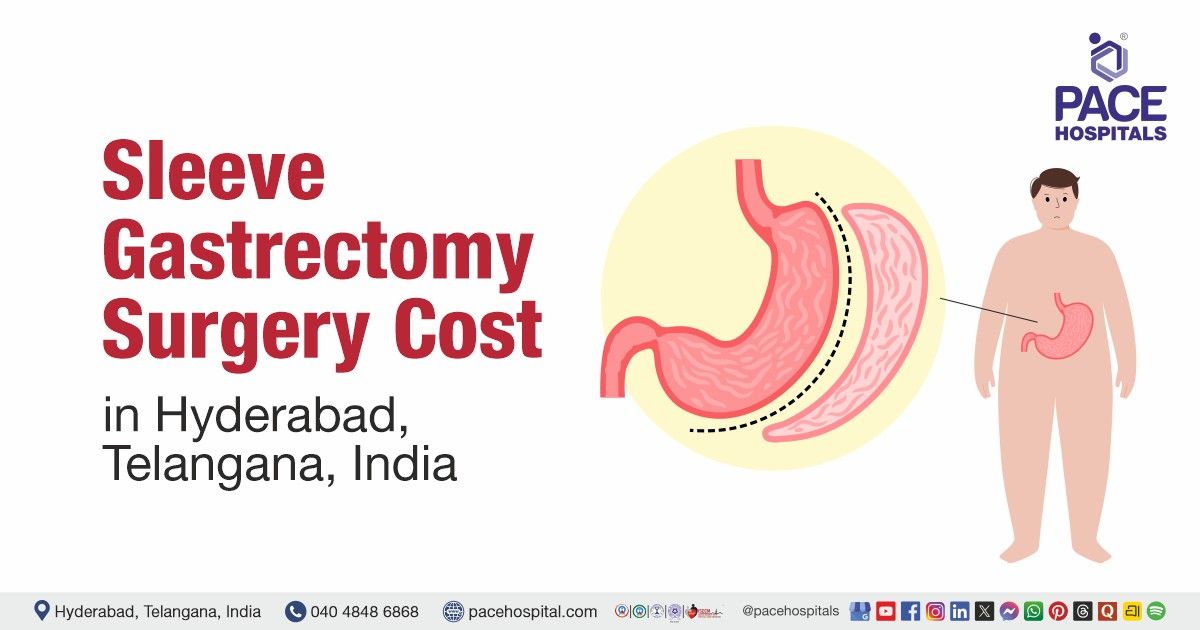
Sleeve Gastrectomy, also known as Laparoscopic Sleeve Gastrectomy (LSG) or Gastric Sleeve Surgery, is a type of bariatric weight-loss surgery in which 75% to 80% of the stomach is surgically removed to create a tube-like stomach.
This operation causes weight loss through restricting food intake and decreasing hunger.
Sleeve Gastrectomy is usually conducted through laparoscopic surgical methods and is commonly advised for obese patients who have not been able to lose weight through dietary changes and exercise alone.
In addition to promoting significant weight loss, Sleeve Gastrectomy can also help address obesity complications like type 2 diabetes, hypertension (high blood pressure), and sleep apnea.
Get a Cost Estimate for Sleeve Gastrectomy Surgery
Sleeve Gastrectomy Surgery Cost Query
Sleeve Gastrectomy Cost in India
On average, Sleeve Gastrectomy cost in India ranges from ₹2,20,000 to ₹ 7,00,000 and above (approximately US $2,332 to US $7,419). However, the actual cost may vary depending on several factors, including:
- Body Mass Index (BMI), level of obesity, and other accompanying medical conditions of the patient (like diabetes, high blood pressure, or sleep apnea)
- Package and mode of bariatric surgery procedure (Laparoscopic surgery or advanced mode of surgery)
- Experience and proficiency of the surgeon in bariatric surgery
- Category of the hospital (private, corporate or trust hospitals)
- Hospital expenses, which include room category, ICU admission and facilities offered by the hospital
- Pre-surgery tests like blood test, imaging, nutritional test and fitness evaluation
- Charges of anesthesia and operating theatre
- Length of stay in hospital and post-surgery monitoring
- Consultation with a dietitian and follow-up
- Insurance coverage or cashless approval
Sleeve Gastrectomy Cost in Hyderabad, Telangana
On average, Sleeve Gastrectomy cost in Hyderabad ranges from ₹2,80,000 to ₹6,50,000 and above (approximately US $2,968 to US $6,890). These rates offer a competitive and cost effective option compared to other top hospitals in the city, with advanced surgical care and personalized treatment planning readily available.
However, the cost of Sleeve Gastrectomy in Hyderabad is influenced by several factors, such as:
- Patient’s Body Mass Index (BMI), obesity level, and health issues related to it
- Experience and proficiency of the bariatric surgeon and the team of experts involved
- The hospital and its infrastructure, as well as the choice of the hospital
- Surgical procedures and equipment used (whether it is laparoscopic surgery or some advanced techniques)
- All the preoperative evaluations, tests, and consultations
- Post-operative period and stay at the hospital
- Counselling on nutrition and further visits
- Treatment of existing health issues and/or potential complications before or after the procedure
- Insurance, organizational approval, and cashless hospitalization
Cost Breakdown According to Type of Sleeve Gastrectomy
- Laparoscopic sleeve Gastrectomy (LSG)/Vertical Sleeve Gastrectomy(VSG) - ₹2,80,000 - ₹4,50,000 (US $2,947 – US $4,737) (approx.)
- Robotic Sleeve Gastrectomy - ₹5,00,000 - ₹6,50,000 (US $5,263 – US $6,842) (approx.)
- Single-Incision Laparoscopic Sleeve Gastrectomy (SILS) - ₹3,20,000 - ₹5,50,000 (US $3,368 – US $5,789) (approx.)
- Banded Sleeve Gastrectomy - ₹4,00,000 - ₹6,00,000 (US $4,211 – US $6,316) (approx.)
- Revisional Sleeve Gastrectomy - ₹4,20,000 - ₹7,00,000+ (US $4,421 – US $7,368+) (approx.)
Note: These are estimated cost figures based on common practice patterns, and actual costs will depend on each patient and will be calculated following a comprehensive examination by the bariatric surgery team. This includes evaluation of BMI, associated health issues due to obesity, the type of surgery, anesthesia needs, and anticipated hospital stay.
Additional Information: The cost of sleeve gastrectomy will depend on many factors, such as the level of experience of the doctor performing the surgery, the quality of the laparoscopic instruments used, the facilities available at the hospital, pre-surgery tests, fees for administering anesthesia, the hospital stay period, aftercare, and drugs, among others. A customized treatment plan ensures accurate cost estimates.
Breakdown of Sleeve Gastrectomy Costs
The cost for a sleeve gastrectomy varies according to factors such as the surgical method (open, robotic, or laparoscopic), hospital facilities, the surgeon's experience, and the patient's health condition, among others. The following is the detailed cost breakdown of a sleeve gastrectomy:
Pre-Surgery Costs
- Consultation Fees: The cost of consulting with obesity specialists and bariatric surgeons varies based on the facility and the surgeon's level of experience.
- Diagnostic Tests and Pre-Operative Evaluation: Consists of blood tests, imaging examinations, and medical evaluations necessary to assess surgical fitness, obesity-related problems, and general health.
- Routine Pre-Op Panel (for Anesthesia and Surgery): Liver Function Test (LFT), Kidney Function Test (KFT), Blood Sugar Tests, Lipid Profile, Thyroid Function Tests, ECG, Chest X-ray, and Coagulation Profile (PT/PTT) are part of the routine Pre-Op Panel (for Anesthesia and Surgery) to guarantee safe anesthesia and surgical planning.
- Nutritional and Metabolic Assessment: An evaluation conducted by a nutritionist or dietitian to determine eating patterns, create a diet plan before surgery, and promote long-term weight control.
- Pre-Surgical Screening including Medical History and Physical Examination: A thorough evaluation of obesity-related disorders such as diabetes, hypertension, sleep apnea, and other health problems. To assess a patient's eligibility for a sleeve gastrectomy, the surgeon considers their BMI, weight history, prior medical procedures, and overall fitness.
Sleeve Gastrectomy Surgery Costs
- Hospitalization Charges: This will cover the costs of the room, nursing fees, monitoring, and all other services provided by the hospital in the pre-operative period and post-operatively. Intensive care unit costs may be involved if advanced monitoring is needed.
- Surgical Procedure Charges: This covers the costs of performing the procedure, including the cost of the Sleeve Gastrectomy surgery itself, either using a laparoscopic or robot-assisted technique, surgeon fees, operating room charges, surgical instruments, and stapling devices used to create the sleeve-shaped stomach.
- Anesthesia and Surgical Team Fees: Includes expenses for anesthesia, anesthesiologist fees, and the surgical team responsible for carrying out the surgery.
- Medications and Consumables: They include surgical materials, intravenous fluids, anti-biotics, painkillers, and other vital drugs required during the admission period and recovery period.
Post-Surgery Care Costs
- Post-Operative Monitoring: Involves monitoring vital signs, pain control, hydration, and postoperative recovery.
- Hospital Stay: Overall costs associated with staying in the hospital for post-operative recovery, ranging from 2-4 days for regular Laparoscopic Sleeve Gastrectomy cases, depending on patient recovery and medical condition.
- Follow-Up Visits: Periodic follow-up visits with the bariatric surgeon and dietitians to monitor weight loss, dietary changes, and recovery.
- Post-Surgery Diet and Support: Consists of planning the diet, providing nutritional advice, vitamin-mineral supplementation, and other lifestyle modifications needed post-surgery.
This cost structure will be very helpful to patients when planning their financial affairs for their Sleeve Gastrectomy procedure. At PACE Hospitals, Hyderabad, we provide personalized cost estimates based on each patient's medical condition and treatment plan, ensuring affordable bariatric surgery with state-of-the-art facilities.
Who Needs Sleeve Gastrectomy?
A sleeve gastrectomy is not suggested for everyone struggling with weight gain. It is considered for patients suffering from severe obesity when the changes in lifestyle, like changes in diet and exercise habits, have not led to effective weight loss. Sleeve gastrectomy is advised when weight becomes a cause of concern for overall well-being.
Common Conditions Indicating the Need for Sleeve Gastrectomy:
- Severe Obesity (High BMI): Sleeve gastrectomy may be appropriate for people with a BMI of 40 or higher or for those with a BMI of 35 or higher who have obesity-related medical issues.
- Difficulty Losing Weight Through Lifestyle Changes: Individuals who have followed a balanced diet, regular exercise, and medical weight-loss regimens but have not been able to lose weight significantly or sustainably.
- Obesity-Related Health Conditions: Patients may benefit from weight loss surgery if they have conditions associated with obesity, such as type 2 diabetes, high blood pressure, sleep apnea, fatty liver disease, or joint issues.
- Reduced Quality of Life Due to Excess Weight: People whose obesity interferes with their everyday activities, mobility, confidence, or general well-being.
- Long-Term Weight Management Needs: Patients who, after trying alternative weight-loss strategies, need surgery to reduce their weight significantly and sustainably.
Who is Not Eligible for Sleeve Gastrectomy
Even though sleeve gastrectomy is a popular weight-loss procedure, not everyone may benefit from it. Certain medical problems, lifestyle choices, or expectations may impact surgical safety and eligibility.
- Uncontrolled Medical Conditions: Until their health is stabilized, people with severe uncontrolled heart disease, advanced lung disease, active cancer, severe liver or kidney problems, untreated hormonal disorders, or medical conditions that significantly increase anesthesia or surgical risks may not be appropriate candidates.
- Active Infections or High Surgical Risk Conditions: Before considering surgery, patients with active infections, untreated severe nutritional deficiencies, blood clotting problems, or conditions that may impair wound healing and recovery may need medical care.
- Unstable Weight or Lifestyle Factors: People who are unable to sustain the required lifestyle modifications, such as long-term weight control, regular follow-up treatment, and a balanced diet, may not benefit from a sleeve gastrectomy. Surgical results may also be impacted by active substance misuse or uncontrolled eating disorders.
- Unrealistic Expectations: The surgery should not be considered for those with unreasonable expectations of rapid or significant weight loss without a strong willingness to change their diet and exercise habits permanently.
- Certain BMI and Weight Conditions: Sleeve Gastrectomy is suitable for patients with specific criteria regarding BMI. Those whose BMI is lower than the required level may not qualify for this procedure unless they have any other health problems associated with obesity.
- Pregnancy or Planning Pregnancy Soon: Sleeve Gastrectomy is generally delayed in pregnant patients; for those planning to become pregnant, it is recommended to consult your healthcare provider to determine the optimal timing to ensure safe weight management and nutritional health.
A comprehensive examination by a Bariatric Surgeon is essential to determine eligibility, assess general health, and ensure safe, favorable outcomes after a sleeve gastrectomy.
NOTE: If certain lifestyle or medical concerns are not under control, some individuals might not be candidates for Sleeve Gastrectomy at this time. Your bariatric team can reevaluate your eligibility once these conditions are resolved or stabilized.
Sleeve Gastrectomy – How is the Procedure Done?
A sleeve gastrectomy is a bariatric surgical procedure performed under general anesthesia that results in a smaller, sleeve-shaped stomach by removing a significant portion of the stomach. By reducing food intake, the procedure encourages long-term weight loss. The typical steps include:
- Preoperative Evaluation: A thorough consultation, physical examination, blood tests, imaging studies, and nutritional assessment are conducted to decide upon suitability for surgery.
- Surgical Planning: The surgeon chooses the most suitable procedure (most likely a sleeve gastrectomy performed laparoscopically or robotically) based on BMI, other health factors, and weight-loss goals.
- Stomach Reduction Procedure: About 70–80% of the stomach is removed after small abdominal incisions. To reduce hunger-related hormone levels and stomach capacity, the residual stomach is reshaped into a thin, tube-like sleeve.
- Leak Testing and Monitoring: The newly constructed stomach sleeve is examined for leaks, bleeding, and proper function. Following surgery, post-operative monitoring is provided, and the incisions are sealed.
- Recovery: Depending on their level of recovery, most patients remain in the hospital for 1 to 3 days. For effective weight management, a gradual diet plan, follow-up appointments, and lifestyle changes are advised.
A multidisciplinary team of Bariatric Surgeons, Anesthesiologists, Nutritionists, and Nursing staff at PACE Hospitals, Hyderabad, provides comprehensive care during Sleeve Gastrectomy, including pre-surgical evaluation and post-operative support.
Types of Sleeve Gastrectomy
Depending on the patient's health, weight-loss objectives, and degree of obesity, various surgical methods are employed. The treatment strategy and total cost may be affected by the procedure type selected:
- Open Sleeve Gastrectomy: This is the conventional method that involves making an incision into the abdominal area. Although it can be used in some instances, it is rarely preferred due to its longer recovery period compared to other, minimally invasive methods.
- Laparoscopic Sleeve Gastrectomy (LSG): It is also called Vertical Sleeve Gastrectomy (VSG). This is the most frequently performed method, which uses smaller incisions and a camera. It offers faster recovery, reduced scarring, and is widely used for weight-loss surgery.
- Robotic Sleeve Gastrectomy: This cutting-edge minimally invasive procedure uses robotic support to increase control and precision. Because of the advanced technology and skilled surgical knowledge, it could be more expensive.
- Single-Incision Laparoscopic Sleeve Gastrectomy: This minimally invasive procedure is carried out by making a single, tiny incision, typically close to the belly button. Although it is only appropriate for some patients, it might produce better cosmetic results.
Note: The cost can also vary depending on the type of Sleeve Gastrectomy, the surgeon's experience, the hospital's infrastructure and technology, anesthesia charges, and the duration of the hospital stay. The use of sophisticated methods like robotic and advanced laparoscopic procedures is relatively more expensive than standard laparoscopic surgery.
Post-Sleeve Gastrectomy Care Tips
To facilitate healing, encourage healthy weight loss, and produce long-term results following sleeve gastrectomy surgery, appropriate post-operative care is crucial:
- Attending all planned follow-up sessions with the bariatric surgeon is recommended in order to track recovery, weight loss progress, and nutritional well-being.
- It is advisable to adhere to the recommended diet plan, which includes the healthcare team's advice to gradually switch from liquids to soft foods and frequent meals.
- After surgery, it is advised to follow the prescribed portion sizes and drink enough water to prevent dehydration.
- During the first four to six weeks of rehabilitation, it is advised to refrain from heavy lifting, vigorous activities, and intense workouts as directed by the surgeon.
- To avoid shortages following surgery, it is recommended to take prescription vitamins, minerals, and nutritional supplements on a regular basis.
- To help with weight management and reduce discomfort, it is advised to avoid carbonated drinks, high-sugar foods, and overeating.
- It is advised to monitor warning indications, such as severe abdominal discomfort, prolonged vomiting, fever, symptoms of an infection, or unusual swelling, and to inform the doctor if they appear.
- To sustain long-term weight loss benefits, it is recommended to adopt healthy lifestyle practices, such as regular exercise and dietary recommendations.
Following these instructions promotes safe recovery and favorable long-term outcomes after Sleeve Gastrectomy.
Key Factors Influencing Sleeve Gastrectomy Cost
The total cost of a sleeve gastrectomy may vary depending on several factors. Patients can more successfully plan their treatment and estimate costs when they are aware of these essential components:
Pre-Surgery Evaluation
The total cost of a sleeve gastrectomy is influenced by extensive preoperative evaluations, including consultations with bariatric surgeons, medical history assessments, blood tests, imaging studies, dietary assessments, and fitness evaluations.
Insurance Coverage
The patient's out-of-pocket costs for sleeve gastrectomy surgery can be significantly affected by insurance coverage, policy eligibility, and authorization for cashless treatment.
Hospital and Location
The selection of hospitals, infrastructure, facilities, and locations may affect the total cost. Modern hospitals in big cities may have relatively higher costs than small health centers.
Post-Surgery Care
Follow-up visits, medicines, nutrition, supplementations, hospital observation, and weight management programs will be among the post-surgical expenses that make up the total costs for Sleeve Gastrectomy.
Complications During or After Surgery
The total cost of a sleeve gastrectomy may increase due to unforeseen complications, such as bleeding, infections, staple-line leakage, prolonged hospital stays, or additional medical care.
Surgeon Expertise
Because of their skills, experience, and excellent results, skilled bariatric surgeons with extensive surgical knowledge and specialized training may charge higher professional fees.
Surgical Technique and Technology Used
Depending on the complexity and technology involved, the type of sleeve gastrectomy—laparoscopic, robotic, single-incision, or revision—can affect cost.
Travel and Accommodation
Patients from other cities or nations may need to budget extra for travel, lodging, and the length of their stay for surgery and follow-up appointments.
Patient Health and Weight Condition
The complexity of surgery, pre-operative preparation, and post-operative care can be influenced by the patient's BMI, degree of obesity, age, and general health, all of which can affect the overall cost.
Why Choose PACE Hospitals for Sleeve Gastrectomy in Hyderabad, India?
PACE Hospitals, Hyderabad, is a trusted center for Sleeve Gastrectomy Surgery, providing complete treatment of obesity with advanced facilities:
- Experienced bariatric surgeons, anesthesiologists, dietitians, and nursing teams specializing in weight-loss surgery
- Advanced operating theatres with modern laparoscopic and surgical equipment
- Dedicated bariatric care units for pre-operative assessment, surgery, and post-operative monitoring
- Comprehensive patient support with personalized weight management plans, nutritional guidance, and transparent cost estimates
For patients searching for the Best Sleeve Gastrectomy Hospital in Hyderabad, Telangana, India, PACE Hospitals offers expert bariatric care, competitive treatment costs, and safe surgical outcomes, with a focus on long-term weight management and patient well-being.
Financial Assistance and Payment Plans at PACE Hospitals
Patients can feel confident about pursuing weight-loss surgery at PACE Hospitals with our efforts to make the procedure affordable through proper financial counselling, insurance, and transparent cost analysis.
- Facilities related to cashless hospitalization via empanelled insurance companies and TPAs
- Help with insurance pre-authorization, paperwork, and the approval process for smooth admission
- Guidance for the reimbursement process in case cashless hospitalization cannot be applied
- Clear pre-admission cost estimate, including cost of evaluation, surgery, hospitalization, and procedure cost
- Information regarding the benefits of corporate health insurance and government healthcare services that can be availed of to reduce costs
- Financial counselling for patients to assist them with understanding the payment options associated with the Sleeve Gastrectomy procedure
Success Rate of Sleeve Gastrectomy
Sleeve Gastrectomy is one of the most successful bariatric surgery, with a success rate of approximately 80%-90% for successful weight loss and improvement in obesity-related diseases. There are many cases in which patients have achieved successful weight loss, improved metabolic health, and enhanced quality of life after surgery.
After Sleeve Gastrectomy, patients commonly experience:
- Successful and sustained weight loss, along with effective management of body weight
- Improved condition or better management of diseases related to obesity, including type 2 diabetes, high blood pressure, and sleep apnea
- Enhanced mobility, energy levels and quality of life
Following post-operative dietary recommendations, maintaining healthy lifestyle choices, engaging in regular exercise, taking recommended supplements, and attending scheduled follow-up appointments to track progress and ensure the best possible results are all necessary for long-term success.
Frequently Asked Questions (FAQs) on Sleeve Gastrectomy
How much does Sleeve Gastrectomy cost in Hyderabad, India?
The cost of a sleeve gastrectomy in Hyderabad ranges from ₹2,80,000 to ₹6,50,000 and above (approximately US $2,968 to US $6,890) and may vary depending on the hospital, surgeon expertise, amenities, and patient requirements. The staff at PACE Hospitals provide precise cost estimates after evaluation and treatment planning.
How long is the hospital stay after Sleeve Gastrectomy?
Following a sleeve gastrectomy, most patients remain in the hospital for 2 to 3 days. Depending on recovery, the need for monitoring, and general health, the duration of stay may change.
How much weight can be lost after Sleeve Gastrectomy?
Within 12 to 18 months following surgery, patients may lose 25 to 35% of their total body weight or roughly 50 to 70% of their excess body weight. Diet, exercise, and follow-up care all affect the results.
How long does recovery take after a Sleeve Gastrectomy?
Most patients can return to their normal daily activities within 2 to 4 weeks after surgery. Healing and adjusting to dietary changes with regular monitoring may take several months.
Can weight regain happen after Sleeve Gastrectomy?
After a sleeve gastrectomy, weight gain may occur, particularly if lifestyle modifications are not maintained. Long-term weight management is supported by eating a balanced diet, exercising frequently, and receiving follow-up care.
What is the expected life expectancy after Sleeve Gastrectomy at PACE Hospitals, Telangana, India?
By reducing obesity-related conditions such as diabetes, heart disease, and sleep apnea, sleeve gastrectomy may improve long-term health and possibly extend life expectancy. Weight loss, lifestyle modifications, follow-up treatment, and general health are among the factors that affect results. Patients at PACE Hospitals receive continuous support to achieve long-term weight control and improved quality of life.
What is Sleeve Gastrectomy?
A sleeve gastrectomy is a minimally invasive bariatric procedure that removes a piece of the stomach to create a smaller, sleeve-shaped stomach. By decreasing food intake and enhancing satiety and appetite control, it promotes long-term weight loss.
Who is eligible for Sleeve Gastrectomy?
For people with extreme obesity (BMI ≥40 or BMI ≥35) and obesity-related medical issues, a sleeve gastrectomy is typically advised. Medical evaluation, lifestyle factors, and general health state determine eligibility.
What factors affect the cost of Sleeve Gastrectomy?
Pre-operative testing, surgeon fees, hospital stays, anesthesia costs, surgical equipment, prescription drugs, and post-operative follow-up care are among the various factors that affect the final cost. Additional treatments for pre-existing medical issues may also impact the overall cost.
Does insurance cover Sleeve Gastrectomy at PACE Hospitals, Hyderabad, India?
Insurance coverage for sleeve gastrectomy depends on the patient's medical eligibility and the policy's terms. PACE Hospitals assists with insurance approvals, reimbursement, cashless processes, and documentation.
Is Sleeve Gastrectomy a safe procedure?
Sleeve gastrectomy is considered a common and safe bariatric procedure when carried out by qualified surgeons. Like any procedure, there are some risks, but these can be reduced with the right evaluation and aftercare.
How long does Sleeve Gastrectomy surgery take?
Depending on the patient's condition and the complexity of the surgery, a sleeve gastrectomy typically takes 1 to 2 hours. Minimally invasive laparoscopic procedures are frequently used for the surgery.
Is Sleeve Gastrectomy permanent?
Yes, a part of the stomach is permanently removed after a sleeve gastrectomy. The residual stomach can continue to operate normally, but long-term outcomes depend on maintaining a healthy lifestyle.
Are there additional expenses after Sleeve Gastrectomy?
Additional expenses include prescription medications, dietary support, supplements, follow-up visits, and routine health monitoring. These costs vary depending on an individual's rehabilitation needs.
Can Sleeve Gastrectomy help with obesity-related diseases?
Yes, obesity-related disorders such as type 2 diabetes, high blood pressure, sleep apnea, and fatty liver disease can be improved with sleeve gastrectomy. Improvement depends on individual health factors and weight loss response.
Share on
Request an appointment
Fill in the appointment form or call us instantly to book a confirmed appointment with our super specialist at 04048486868
Appointment request - health articles
Recent Articles