Best Doctor for Pilonidal Sinus in Hyderabad for Comprehensive Care
PACE Hospitals
✅ Recommended by 9,452 Happy Patients. Get hassle-free appointments with Pilonidal Sinus Specialist Doctor.

Dr. Govind Verma
MD, DM (Gastroenterology), Fellowship in EUS
Experience : 30+ years
Interventional Gastroenterologist & Hepatologist
Specialist
Functional and Motility Disorders: Constipation and fecal incontinence, Gastroparesis, Functional abdominal pain, Hirschsprung’s disease, Diffuse esophageal spasm
Esophagus Disorders: Acid reflux / GERD (Gastroesophageal Reflux Disease), Achalasia cardia, Esophagitis, Esophageal varices, Barrett's esophagus, Esophageal cancer
Stomach Disorders: Gastritis, Peptic ulcers, Stomach cancer, H. pylori infection, Functional dyspepsia
Small and Large Intestine Disorders: Irritable Bowel Syndrome (IBS), Inflammatory Bowel Disease (IBD) (Ulcerative colitis, Crohn’s disease), Celiac disease, Intestinal infections, Colorectal cancer, Diverticulitis, Intestinal obstruction, Constipation and chronic diarrhea, Gas and bloating
Rectal and Anal Conditions: Hemorrhoids (Piles), Anal fissures, Anal fistulas, Rectal bleeding, Proctitis
Liver Diseases: Hepatitis A, B, C, E; Fatty liver disease (NAFLD/NASH), Liver cirrhosis, Liver cancer (Hepatocellular carcinoma), Autoimmune hepatitis, Wilson’s disease, Hemochromatosis
Gallbladder and Bile Duct Disorders: Gallstones, Cholecystitis, Bile duct obstruction, Cholangiocarcinoma (bile duct cancer), Primary sclerosing cholangitis (PSC)
Pancreatic Diseases: Acute and chronic pancreatitis, Pancreatic pseudocysts, Pancreatic cancer, Exocrine pancreatic insufficiency
Expertise
Endoscopy (Upper GI, Colonoscopy, Sigmoidoscopy), Capsule endoscopy
Endoscopic Retrograde Cholangiopancreatography (ERCP)
Polypectomy, Biopsies of the GI tract, PEG tube insertion
Endoscopic Ultrasound (EUS) and EUS-Guided Interventions: EUS-guided biopsies, EUS-guided pancreatic pseudocyst drainage, Biliary and pancreatic duct stenting
Third-Space Interventional Endoscopy: POEM (Peroral Endoscopic Myotomy), ARMS (Antireflux Mucosal Resection), GERD-X procedure for reflux disease
Advanced Endoscopic Bariatric and Oncology Procedures: Endoscopic Sleeve Gastroplasty (ESG), Endoscopic Submucosal Dissection (ESD), Endoscopic Mucosal Resection (EMR)
Comprehensive Hepato-Biliary and Pancreatic Interventions
Consultation Details
Languages Spoken: English, Hindi, Telugu, Marathi
Timing: Mon to Sat - 10 AM to 6 PM
Location: PACE Hospitals, HITEC City & Madinaguda

Dr. Padma Priya
MBBS, MD (Internal Medicine), DrNB (Medical Gastroenterology)
Experience : 9+ years
Consultant Gastroenterologist and Hepatologist
Specialist
Specialist in gastrointestinal (GI), pancreatic and hepatic diseases such as gastroesophageal reflux disease (GERD), anal and rectal disorders such as piles (hemorrhoids), anal fissures and anal fistulas, Inflammatory bowel disease (Ulcerative colitis and Crohn’s disease), Inflammatory bowel Syndrome, Peptic ulcers, Celiac disease, GI infections, Gallbladder stones, Biliary tract disorders, Liver diseases, Pancreatic disorders, Gastrointestinal bleeding, Diverticulitis, Eosinophilic Gastroenteritis, Gastrointestinal motility, Gastrointestinal cancer, Malabsorption Syndromes etc.
Expertise
ERCP, EUS, Colonoscopy, Sigmoidoscopy, Capsule endoscopy, Endoscopic mucosal resection, Endoscopic ultrasound-Fine needle aspiration / Fine needle biopsy, Polypectomy, Esophagogastroduodenoscopy (EGD), Endoscopic ultrasound (EUS)-guided, Cystogastrostomy, Spiral enteroscopy, Oesophageal manometry, Ano-rectal manometry, PEG tube insertion, Narrow-band imaging, Endoscopic variceal ligation, Argan plasma coagulation, Haemoclip deployment, NJ Tube placement, Oesophageal bougie dilation, Achalasia balloon dilation, Colonic stricture dilation, Pyloric balloon dilation, etc.
Consultation Details
Languages Spoken: English, Hindi, Telugu
Timing: Mon to Sat - 10 AM to 6 PM
Location: PACE Hospitals, HITEC City & Madinaguda
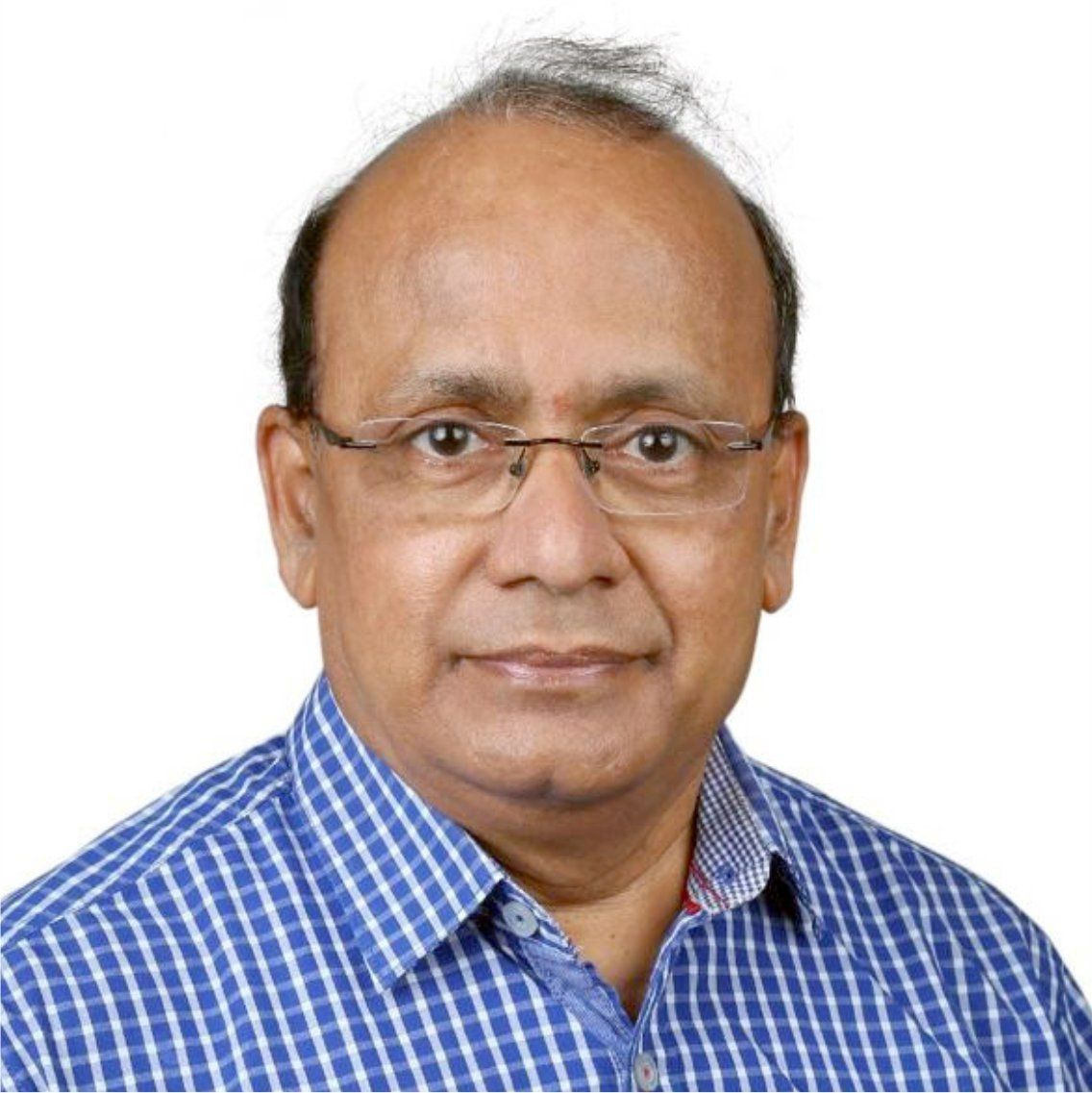
Dr. M Sudhir
MBBS, MD (Internal Medicine), DNB (Internal Medicine), DNB (Gastroenterology), FICP
Experience : 40+ years
Sr. Gastroenterologist and Hepatologist (Liver Specialist)
Specialist
- Inflammatory Bowel Diseases (IBD): Ulcerative colitis, Crohn’s disease
- Gastrointestinal Motility Disorders: Achalasia cardia, Hirschsprung’s disease, Diffuse esophageal spasm
- Pancreatico-Biliary Disorders: Acute and chronic pancreatitis, Pancreatic pseudocysts, Common bile duct (CBD) stones, Gallstones, Biliary and pancreatic malignancies
- Functional Bowel Disorders: Constipation, Irritable Bowel Syndrome (IBS), Gastroparesis, Functional abdominal pain
- Liver Diseases: Chronic liver disease, Hepatitis, Cirrhosis and liver-related complications
Expertise
- Diagnostic Procedures: Endoscopy (Upper GI, Colonoscopy, Sigmoidoscopy), Capsule endoscopy, ERCP (Endoscopic Retrograde Cholangiopancreatography)
- Advanced and Therapeutic Endoscopy: Third-Space Endoscopy Techniques, POEM (Peroral Endoscopic Myotomy) for achalasia, Endoscopic Sleeve Gastroplasty (ESG) for obesity, Endoscopic Ultrasound (EUS) for pancreatic, biliary, and GI evaluation
Consultation Details
Languages Spoken: English, Hindi, Telugu
Timing: Mon to Sat - 9 AM to 1 PM
Location: PACE Hospitals, HITEC City

Dr. Suresh Kumar S
MBBS, MS (General Surgery), M.Ch (Surgical Gastroenterology)
Experience : 14+ years
Surgical Gastroenterologist, Minimally Invasive GI Surgeon and Advanced Laser, Laparoscopic Surgeon
Specialist
Specialist in gastrointestinal, pancreatic and hepatic diseases such as cirrhosis of the liver, gastroesophageal reflux disease (GERD), hernias, piles, hemorrhoids, anal fistula, anal fissure hernias, chronic pancreatitis, hepatitis, non-alcohol-related fatty liver disease (NAFLD), colon and rectal cancer, appendicitis, bile duct stones etc.
Expertise
Liver resection (hepatectomy procedure), Laparoscopic cholecystectomy, laparoscopic common bile duct exploration (LCBDE), laparoscopic inguinal hernia and ventral hernia repair, laparoscopic fundoplication, laparoscopic hemicolectomy, laparoscopic low anterior resection, laparoscopic abdominoperineal resection, laparoscopic gastrectomy, stapled hemorrhoidectomy, laparoscopic appendectomy, bariatric surgery, lateral pancreaticojejunostomy, laser for piles, Whipple procedure (pancreaticoduodenectomy), hepatectomy, distal pancreatectomy etc. His special interest lies in diagnosing and treating gastroesophageal reflux disease and complex hernias, in addition to operating bariatric surgery for obesity.
Consultation Details
Languages Spoken: English, Hindi, Telugu
Timing: Mon to Sat - 9 am to 6 pm
Location: PACE Hospitals, HITEC City
Top Pilonidal Sinus Specialist in Hyderabad for Accurate Diagnosis and Treatment
PACE Hospitals is recognised for having some of the Top Pilonidal Sinus Specialist in Hyderabad, India, and many patients come here after dealing with ongoing discomfort near the tailbone for months or even years. Symptoms such as pain while sitting, swelling, discharge, or repeated infections are often frustrating and disruptive, which is why careful evaluation is prioritised before any decisions are made.
Patients are first seen by expert pilonidal sinus specialist doctors, who take time to examine the area, understand the symptom history, and determine whether the condition is early, chronic, or prone to recurrence. Based on this assessment, the doctor explains the most appropriate approach to Pilonidal Sinus treatment, including what can be managed conservatively and what may need closer monitoring.
In situations where surgery becomes necessary, care is provided under the supervision of the best pilonidal sinus surgeon, who has experience handling both straightforward and complex cases. Surgical options are clearly discussed, with attention to wound care, healing time, and reducing the risk of the sinus returning.
People choose PACE Hospitals for pilonidal sinus care because of the experienced medical team, clear communication, and patient-centred approach. Under the guidance of the Best Doctor for Pilonidal Sinus in Hyderabad, India, patients receive consistent follow-up and personalised support to restore comfort and promote long-term recovery.
Frequently Asked Questions (FAQs) on Pilonidal Sinus
Who is the best doctor for pilonidal sinus in Hyderabad, India?
At PACE Hospitals, pilonidal sinus care is provided by an expert team of general surgeons and proctology specialists, including Dr Govind Verma, Dr M Sudhir, Dr Suresh Kumar S, Dr Padma Priya, and Dr P Arun Kumar, recognised among the best pilonidal sinus doctors in Hyderabad and leading specialists in the region. The team uses advanced diagnostics, minimally invasive and laser-assisted procedures, and evidence-based techniques to ensure safe treatment, faster recovery, and lower recurrence rates.
What are the early symptoms of this sinus?
Early symptoms of a pilonidal sinus are usually mild and may include:
- Discomfort or pain near the tailbone, especially when sitting
- Redness, swelling, or tenderness in the skin crease between the buttocks
- Presence of a small pit or opening in the skin
- Clear or cloudy fluid discharge if infection starts
- Mild fever indicating early inflammation
Early consultation with a pilonidal sinus best doctor helps prevent progression.
Which doctor treats a pilonidal cyst?
A pilonidal cyst or sinus is usually treated by a general surgeon. These specialists are trained to manage skin and soft-tissue infections and perform surgical procedures when necessary. In early or mild cases, a primary care doctor may provide initial treatment such as antibiotics or drainage. But recurrent or chronic pilonidal disease requires surgical evaluation to treat the condition, preferably by the best pilonidal sinus surgeon in Hyderabad, India.
Can a pilonidal sinus heal on its own?
No, a pilonidal sinus cannot be healed without total treatment, especially in chronic cases with deep tracks or repeated infections. Whereas, small, early openings under 5 mm may close with simple care like cleaning and dressings. But larger openings often remain or get worse. Studies show success in superficial cases through non-surgical methods, yet most require intervention from the best doctor for pilonidal sinus in Hyderabad, India to avoid recurrence and complications.
How is a pilonidal sinus diagnosed?
Diagnosis generally starts with a physical examination, which checks for a small pit, swelling, or leaking tract near the tailbone in the buttock crease. The doctor also looks for signs of redness, pus, or ongoing drainage during an examination, including a check around the anus to rule out other issues. Imaging studiessuch as ultrasound or magnetic resonance imaging (MRI) help in complex cases to map tracks.
What are the treatment options available for pilonidal sinus?
Treatment depends on disease severity. Acute infection with an abscess usually requires drainage to relieve pain and remove pus. Antibiotics alone are not sufficient unless there is a surrounding skin infection. Recurrent and chronic pilonidal sinus often needs surgical removal of the sinus tract, commonly performed by the best doctors for pilonidal sinus treatment in Hyderabad, India.
When should I see a doctor for a pilonidal sinus?
Consult a doctor if you experience discomfort or swelling near the tailbone that continues, worsens, or interferes with your daily activities. Medical attention is recommended if you experience any of these:
- Pain, tenderness, or swelling near the tailbone
- Redness or warmth in the affected area
- Pus discharge or blood from the skin
- Fever or increasing pain, which may indicate infection
- Recurrent symptoms that do not heal on their own
In such situations, timely consultation with the best pilonidal sinus doctors in Hyderabad, India is advised.
What is a pilonidal sinus?
A pilonidal sinus is a small tunnel or tract that forms in the skin, which usually appears in the crease between the buttocks, close to the tailbone. It usually contains loose hair, skin debris, and sometimes pus. The condition forms when hair penetrates the skin and triggers a local inflammatory reaction. Over time, this reaction creates a persistent opening under the skin that may repeatedly become infected, leading to pain, swelling, and discharge, and is commonly evaluated by a
pilonidal sinus specialist doctor.
What causes a pilonidal sinus?
A pilonidal sinus is mainly caused by loose hair being forced into the skin due to friction, pressure, or prolonged sitting. The body treats the hair as a foreign particle, resulting in inflammation and infection. The common risk factors for developing a pilonidal sinus are excess body hair, sweating, poor hygiene,
obesity, and repeated irritation of the lower back area, often requiring consultation with a
pilonidal sinus treatment doctor.
How serious is a pilonidal sinus?
A pilonidal sinus is usually not life-threatening, but it can cause significant discomfort and recurrent infections if left untreated. Acute infections may lead to abscess formation with severe pain, swelling, and pus discharge. However, chronic pilonidal sinus disease can interfere with daily activities and work. Long-standing, untreated cases may develop complications such as extensive tissue damage or persistent non-healing wounds, which may require surgical management by the
best surgeon for pilonidal sinus.
What is the difference between a pilonidal cyst and a sinus?
A pilonidal cyst is a closed sac that forms under the skin, typically near the tailbone at the top of the buttock crease. It usually consists of hair, skin debris, and fluid. It may not cause symptoms, but if it becomes infected, it can swell, become painful, and fill with pus.
A pilonidal sinus is an open tract or tunnel that connects the affected area under the skin to the surface of the skin. It often forms after a pilonidal cyst becomes infected or repeatedly drains. The sinus allows continuous or recurring discharge of fluid or pus and is considered a chronic condition that often needs care from a
pilonidal sinus surgery doctor.
Can a pilonidal sinus turn cancerous?
Cancer developing from a pilonidal sinus is extremely rare. Studies report that long-standing, untreated pilonidal disease lasting many years may rarely transform into a type of skin cancer, which is squamous cell carcinoma. This occurs due to chronic inflammation and repeated infection. However, the risk is very low, and timely treatment and proper surgical care from a pilonidal sinus surgery specialist effectively prevent this complication in most patients.
Is pilonidal sinus related to hygiene?
No. Hygiene alone does not directly cause a pilonidal sinus, but poor hygiene can increase the risk of infection. Other factors, such as the accumulation of sweat, dead skin, and loose hair, can worsen local irritation and bacterial growth. Pilonidal disease mainly results from hair penetration and friction, while good hygiene helps reduce inflammation, recurrence, and complications after treatment by an
expert pilonidal sinus doctor in Hyderabad at PACE Hospitals.
Who is more likely to get a pilonidal sinus?
Pilonidal sinus is more common in young adults, especially males between puberty and 30 years of age. Individuals with dense body hair, and sedentary lifestyles are at higher risk. Obesity and excessive sweating further increase susceptibility. Studies consistently show a higher frequency in men, most likely due to hormonal effects on hair development and skin friction.
How can a pilonidal sinus be prevented?
Prevention focuses on reducing hair penetration and skin irritation in the buttock cleft. Frequent hair removal, maintaining hygiene, and keeping the area dry can effectively prevent a pilonidal sinus. Other preventive steps are avoiding sitting for a long time and reducing friction through weight control and loose clothing, which also helps. After surgery, continued hair control and hygiene are important to prevent recurrence and long-term complications.
Can a pilonidal sinus come back after treatment?
Yes. A pilonidal sinus can come back after treatment, and this is called recurrence. Recurrence rates depend on the treatment type and the care given after surgery. Simple drainage techniques have a higher chance of recurrence. In contrast, complete surgical removal has a lower risk. Factors like a deep natal cleft, excess body hair, prolonged sitting, obesity, and poor wound care raise the likelihood of a return. Regular hair removal, good hygiene, and proper wound care reduce recurrence risk.
Is pilonidal sinus surgery painful?
Pilonidal sinus surgery is usually performed under anaesthesia, so pain is not felt during the procedure. After surgery, mild to moderate pain is common but is generally well controlled with prescribed pain medication. Pain levels may depend on the type of surgery performed and wound size. Minimally invasive surgeries cause less post-operative pain and quicker comfort compared to traditional open surgical methods.
How long is pilonidal sinus surgery recovery time?
Recovery after pilonidal sinus surgery may depend on the type of procedure performed. Minimally invasive techniques usually allow patients to return to work within 5–7 days, with complete healing in 26–30 days. Whereas larger surgical excisions require a longer recovery time, with normal activities resuming after 32–70 days. Hospital stays are generally for a few hours, and proper wound care plays a key role in faster healing. But less invasive procedures offer quicker recovery and less disruption to daily life.
What are the different forms or stages of pilonidal disease?
Pilonidal disease is commonly described in forms or stages based on how it presents and progresses over time. Below are the broadly recognised the following stages:
Asymptomatic pilonidal pits
This is the earliest stage, where small skin openings (pits) are present near the tailbone without pain or infection. Hair may be trapped under the skin, but there are no symptoms. Many people are unaware of the condition at this stage. Although harmless initially, these pits can later become infected if friction, pressure, or hair accumulation continues.
Pilonidal cyst (non-infected)
At this stage, a closed pocket forms beneath the skin, which involves hair and skin debris. It may cause mild discomfort or a feeling of fullness, but usually no redness or discharge. The cyst can remain stable for some time, but studies show that it often progresses if mechanical irritation persists.
Acute pilonidal abscess
This stage occurs when the cyst or pit becomes infected. It presents with sudden pain, swelling, redness, warmth, and pus collection. Fever may occur in some cases. This is the most painful stage and usually requires urgent medical treatment (like surgical drainage).
Chronic pilonidal sinus
In this stage, repeated infections lead to the formation of one or more sinus tracts (tunnels) under the skin that open onto the surface. Ongoing or intermittent discharge is common. This chronic form affects daily life and typically requires definitive surgical treatment to prevent recurrence.
Can a pilonidal sinus affect daily life?
Yes, a pilonidal sinus can significantly affect daily life, especially when symptoms are active. Constant pain and discomfort may make sitting, walking, or physical activity difficult. Ongoing discharge can result in embarrassment and hygiene issues. Frequent infections may cause missed work or lower productivity. Chronic pilonidal disease can affect quality of life because of repeated flare-ups, longer healing times, and the need for continuous medical care from the
best doctor for pilonidal sinus in Hyderabad at PACE Hospitals.
What our patients have to say
Why choose PACE Hospitals?
- A Multi-Super Speciality Hospital.
- NABH, NABL, NBE & NABH - Nursing Excellence accreditation.
- State-of-the-art Liver and Kidney transplant centre.
- Empanelled with all TPAs for smooth cashless benefits.
- Centralized HIMS (Hospital Information System).
- Computerized health records available via website.
- Minimum waiting time for Inpatient and Outpatient.
- Round-the-clock guidance from highly qualified super specialist doctors, surgeons and physicians.
- Standardization of ethical medical care.
- 24X7 Outpatient & Inpatient Pharmacy Services.
- State-of-the-art operation theaters.
- Intensive Care Units (Surgical and Medical) with ISO-9001 accreditation.
Share on
Request an appointment
Fill in the appointment form or call us instantly to book a confirmed appointment with our super specialist at 04048486868
Appointment request - health articles
Recent Articles