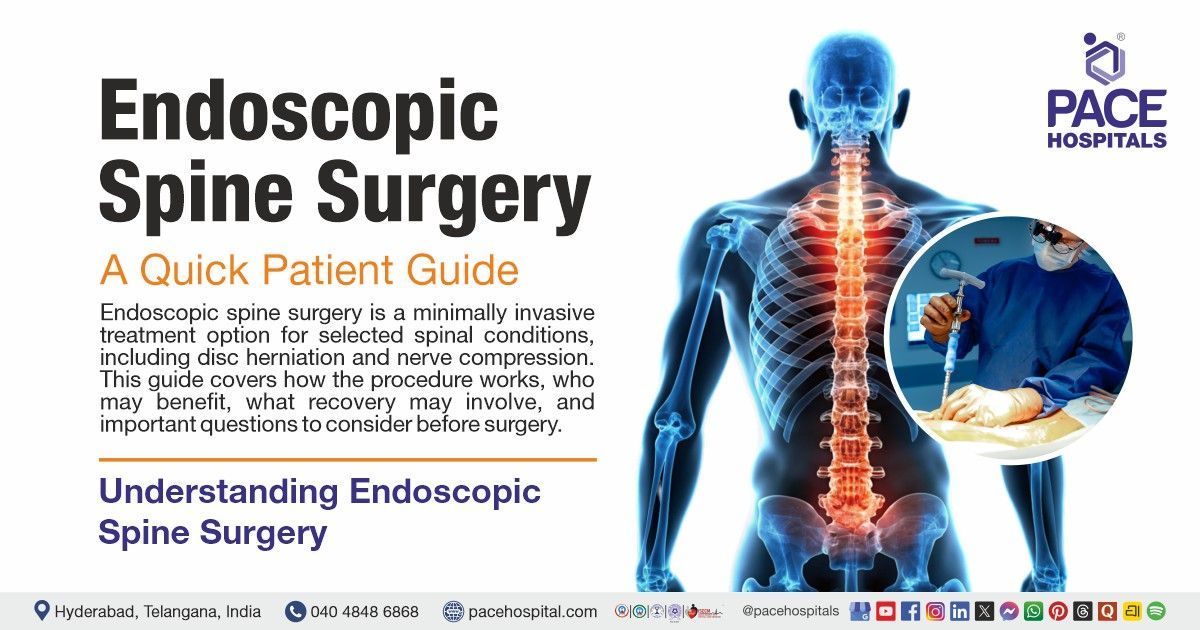
A Therapeutic Challenge: Lifesaving Fight Against CKD-5, TB, and Cardiac Crisis
PACE Hospitals
The multidisciplinary team at PACE Hospitals successfully manages a complex case of stage 5 Chronic Kidney Disease (CKD-5) with Tuberculous Pleuritis and Cardiac Dysfunction.
Chief Complaints
A 63-year-old male patient presented to the nephrology department at
PACE Hospitals, Hitech City, Hyderabad, with complaints of fever persisting for three days accompanied by left-sided upper and lower back pain of two days duration. The absence of typical respiratory symptoms such as cough or chest pain, along with no urinary complaints, made the initial clinical presentation particularly challenging to interpret in this immunocompromised patient with multiple pre-existing comorbidities.
Medical History
The patient was a known case of end-stage renal disease managed conservatively without dialysis, long-standing
hypertension for which the patient was on antihypertensive medications and documented
coronary artery disease with moderate left anterior descending artery stenosis maintained on optimal medical therapy. Of significant clinical importance was the absence of any prior history of
tuberculosis exposure or treatment, making this a new presentation in the context of
Chronic kidney disease (CKD) - associated immunosuppression that required careful diagnostic evaluation and management planning.
On Examination
Initial physical examination revealed notable pallor suggestive of chronic anemia secondary to renal failure. Vital signs showed elevated blood pressure readings and normal oxygen saturation. Respiratory system examination demonstrated significantly diminished breath sounds over the left hemithorax, while cardiovascular examination revealed normal heart sounds without murmurs or added sounds. The abdominal examination was unremarkable with no organomegaly or tenderness appreciated, and
body mass index (a measure of body fat based on height and weight) was assessed to evaluate nutritional status in the context of renal failure. These clinical findings prompted urgent radiological evaluation to investigate the underlying pathology.
Diagnosis
Advanced imaging studies including a chest radiograph, high-resolution computed tomography (CT Scan), MRI Scan revealed a massive left pleural effusion causing complete lung collapse with associated mediastinal lymphadenopathy. Diagnostic thoracoscopy demonstrated characteristic tuberculous lesions on the pleural surfaces. Concurrent laboratory investigations showed progressive deterioration of renal function parameters and new-onset impairment of cardiac function, as evidenced by reduced ejection fraction on echocardiographic evaluation. Pleural fluid analysis confirmed an exudative effusion with neutrophilic predominance.
Collaborative Clinical Management
This complicated case was managed through exemplary collaboration between three senior specialists, each contributing their unique expertise to achieve optimal outcomes.
Dr. Pradeep Kiran Panchadi, Consultant Interventional Pulmonologist, demonstrated clinical judgment in diagnosing tuberculous pleuritis based on thoracoscopic findings of characteristic tubercles. His decision to initiate empirical anti-tubercular therapy, carefully adjusted for renal impairment, reflected both courage and deep knowledge of extrapulmonary TB management in complex cases.
Dr. Seshi Vardhan Janjirala, Consultant Interventional Cardiologist, provided indispensable cardiac care, performing timely coronary angiography and optimizing medical therapy for the patient's coronary artery disease and newly reduced ejection fraction. His meticulous balancing of antihypertensives and heart failure medications ensured cardiovascular stability throughout the treatment.
Dr. A. Kishore Kumar, Consultant Nephrologist and Renal Transplant Physician, expertly managed the renal aspects, making the critical decision to initiate hemodialysis via right internal jugular vein (IJV) catheter when biochemical markers and fluid status indicated an urgent need. His oversight of dialysis parameters and medication adjustments for renal impairment formed the foundation for the safe delivery of other therapies.
Diagnostic and Therapeutic Procedures performed
The patient underwent several important interventions during the hospital stay. Therapeutic thoracoscopy in Hyderabad at PACE Hospitals was performed to break down dense pleural adhesions and obtain diagnostic biopsies, which revealed characteristic tuberculous lesions. Right internal jugular venous access was established to facilitate urgent hemodialysis initiation. Coronary angiography was performed to evaluate the cardiac status, which confirmed stable atherosclerotic disease not requiring revascularization. Each procedure was conducted with meticulous attention to detail and appropriate peri-procedural care to minimize complications.
Post-Procedural Care
During hospitalization, the patient's care focused on three priority areas: pulmonary recovery post-thoracoscopy, hemodialysis efficacy through the newly placed catheter, and cardiac stability maintenance. Daily multidisciplinary assessments ensured synchronized adjustments to antimicrobial therapy, dialysis parameters, and cardiovascular medications. Progressive mobilization and nutritional support complemented medical management, with all interventions carefully adapted according to the patient's renal function.
Discharge Medications
At the time of discharge, the patient was prescribed a comprehensive medication regimen addressing multiple therapeutic needs. This included a combination of antimicrobial agents for tuberculosis treatment, multiple antihypertensive medications for blood pressure control, cardiac medications to manage heart failure and coronary heart disease, renal-specific medications and supplements, along with various symptomatic treatments. Particular attention was given to dosing adjustments required for renal impairment and potential drug-drug interactions between the various components of the treatment regimen.
Advice on Discharge
Detailed discharge instructions were provided covering multiple aspects of ongoing care. The patient received clear guidance regarding medication administration schedules and potential side effects that require medical attention. Specific parameters were established for home monitoring of vital signs, along with a comprehensive list of warning symptoms that would necessitate urgent reevaluation. Activity restrictions were outlined to ensure proper recovery, with gradual return to normal function guided by clinical follow-up. Particular attention was given to the care of the vascular access site and prevention of potential complications.
Urgent Care Considerations
The patient was advised to seek immediate medical attention if experiencing fever, abdominal pain, or vomiting – symptoms that could indicate infection recurrence, dialysis-related complications, or acute cardiac events.
Follow-Up
A structured follow-up plan was established to monitor the patient's progress and treatment response. This included scheduled twice-weekly hemodialysis sessions, weekly clinical assessments with the nephrologist in Hyderabad, India and periodic evaluation of cardiac function. Regular monitoring of tuberculosis treatment response and potential medication side effects was incorporated into the follow-up schedule.
Therapeutic Role of Multidisciplinary Care in Complex Case Management
This case exemplifies the critical importance of coordinated, multidisciplinary care in managing patients with complex, interacting comorbidities. The successful outcome was achieved through seamless collaboration between a nephrologist/nephrology doctor, pulmonologist/pulmonology doctor, and cardiologist/heart specialist doctor, each contributing their expertise to address the various clinical challenges.
The case highlights the value of clinical judgment in diagnostic uncertainty, particularly when facing negative confirmatory tests in high-risk situations. The systematic approach incorporated thorough pre-procedural evaluation, meticulous technical execution of interventions, and comprehensive post-procedural management tailored to the patient's specific needs.
Conclusion
This case underscores the importance of comprehensive CKD treatment in Hyderabad, especially when patients present with co-existing conditions like TB and cardiac dysfunction.
Share on
Request an appointment
Fill in the appointment form or call us instantly to book a confirmed appointment with our super specialist at 04048486868
Appointment request - health articles
Recent Articles