Bariatric Surgery Cost in Hyderabad, India - 2026 Guide
Get a Cost Estimate for Bariatric Surgery
Procedure & Surgery Cost Pages
All You Need To Know About Bariatric Surgery
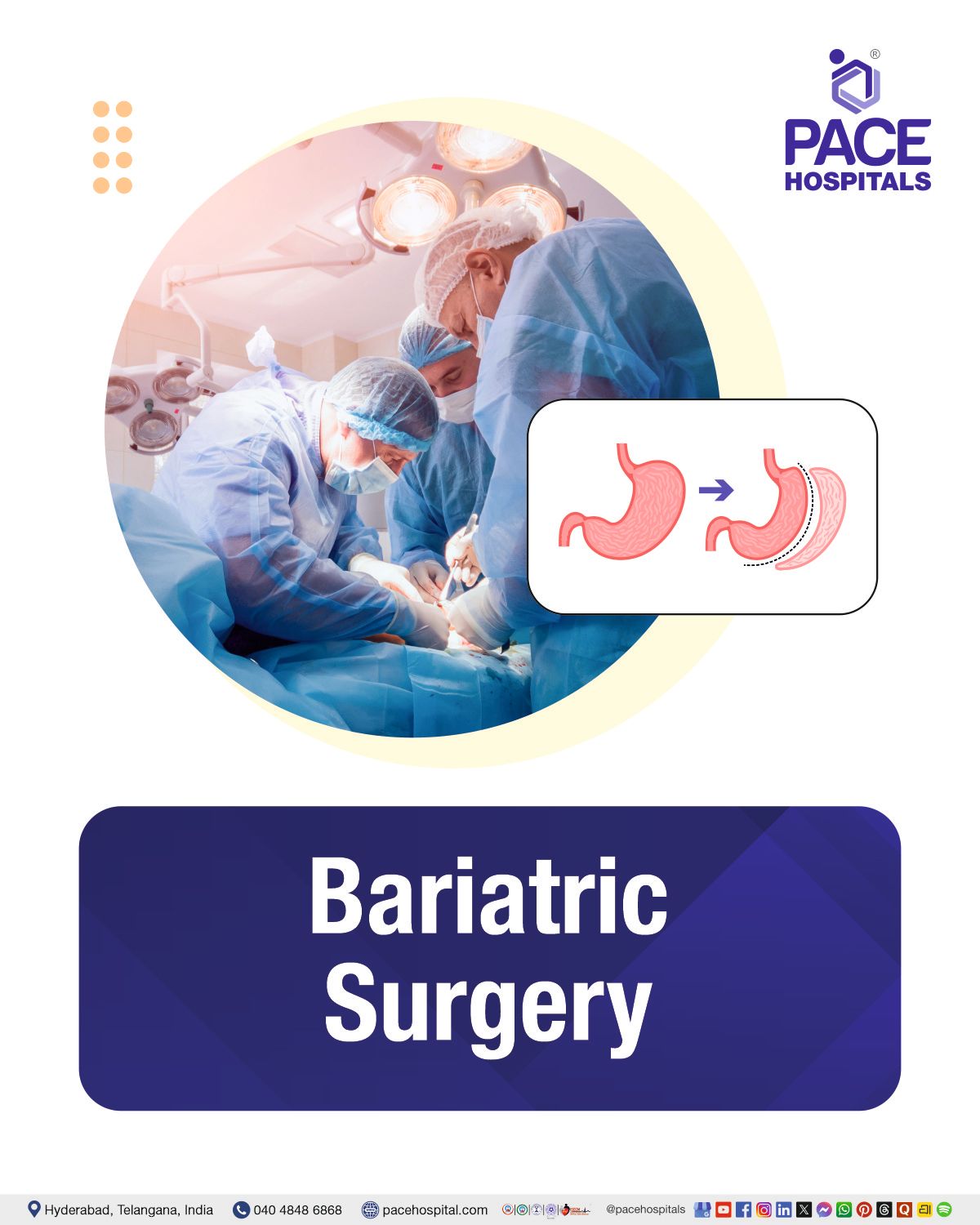
Bariatric Surgery is a weight-loss procedure designed for individuals with severe obesity who have not responded to diet, exercise, or other lifestyle changes.
- The treatment helps with weight loss by reducing the size of the stomach and/or altering digestive processes, thereby limiting food intake and calorie absorption.
- In addition to supporting long-term weight control, it can help prevent obesity-related conditions such as type 2 diabetes, hypertension (high blood pressure), sleep apnea, and fatty liver disease.
- Common bariatric operations that are selected based on the weight-loss goals, BMI, existing health problems, and overall fitness for surgery include Sleeve Gastrectomy, Gastric Bypass, and other weight-loss surgeries.
Bariatric Surgery Cost in India
On average, Bariatric Surgery cost in India ranges from ₹2,00,000 to ₹6,50,000 and above (approximately US $2,113 to US $6,867+). However, the actual cost may vary depending on several factors, including:
- The type of bariatric surgery performed (Sleeve Gastrectomy, Gastric Bypass, Mini Gastric Bypass, etc.)
- Obesity status, BMI, weight, and general health of the patient
- Complexity of the operation and the surgical technique employed
- Experience and skill of the surgeon conducting bariatric procedures
- The type of hospital (private, corporate or trust hospitals)
- Charges from the hospital (room charge, ICU charge, facilities charge, etc.)
- Anesthesia cost and operating theater charges
- Pre-operative diagnosis, diagnostic tests, nutritional analysis cost, etc.
- Follow-up charges, post-operative care charges and dietary support charges
- Insurance covered, cashless facilities, and corporate health approvals
Bariatric Surgery Cost in Hyderabad, Telangana
On average, Bariatric Surgery cost in Hyderabad ranges from ₹2,80,000 to 5,00,000 and above (approximately US $3,250 to US $5,815+). The final cost depends on the type of bariatric procedure, the patient's BMI, overall health condition, and treatment requirements.
However, the cost of Bariatric Surgery in Hyderabad is influenced by several factors, such as:
- Type of bariatric surgery carried out (Sleeve Gastrectomy, Gastric Bypass, Mini Gastric Bypass, etc.)
- Patient’s body mass index, obesity level, and associated health issues
- Hospital setting, facilities, and technology used
- Skills of the surgeon and the multi-disciplinary team specializing in obesity treatment
- Pre-surgery evaluation, nutritional assessments and diagnostic tests
- Period of hospitalization and follow-up care
- Medical insurance coverage, cashless clearance, or corporate health benefits from the employer
- Treatment of the patient’s other medical problems and handling complications if they arise
Cost Breakdown According to Type of Bariatric Surgery
- Laparoscopic Sleeve Gastrectomy - ₹2,20,000 - ₹3,50,000+ (US $2,316 – US $3,684+) (approx.)
- Laparoscopic Gastric Bypass Surgery- ₹2,60,000 - ₹4,50,000+ (US $2,737 – US $4,737) (approx.)
- Mini Gastric Bypass Surgery- ₹2,10,000 - ₹4,00,000+ (US $2,211 – US $4,211+) (approx.)
- Adjustable Gastric Balloon/Banding - ₹2,00,000 - ₹3,20,000+ (US $2,105 – US $3,368+) (approx.)
- Biliopancreatic Diversion with Duodenal Switch (BPD/DS) - ₹3,00,000 - ₹5,50,000+ (US $3,158 – US $5,789+) (approx.)
- Revision Bariatric Surgery - ₹3,50,000 - ₹5,00,000+ (US $3,684 – US $5,263+) (approx.)
- Robotic Bariatric Surgery - ₹4,50,000 - ₹6,50,000+ (US $4,737 – US $6,842+) (approx.)
Note: These are estimated costs that may change based on standard practice patterns. After a thorough assessment by the bariatric surgery team, which considers the patient's BMI, obesity-related comorbidities, surgical procedure of choice, anesthesia requirements, and anticipated length of hospital stay, the precise cost of bariatric surgery is ascertained.
Additional Information: The type of bariatric procedure chosen, the surgeon's experience, hospital facilities, pre-operative tests, anesthesia type, length of hospital stay, post-surgery care, nutritional support, and any other medical needs are among the various factors that may affect the cost of bariatric surgery. The cost estimate based on the patient's specific medical condition and weight-reduction objectives is made possible by a customized treatment plan.
Breakdown of Bariatric Surgery Costs
The cost of Bariatric Surgery has several factors, which depend on the specific type of surgery (i.e. Sleeve Gastrectomy, Gastric Bypass, Mini Gastric Bypass, or Gastric Balloon/Banding), hospital equipment, surgeon experience, and general health status of the patient. Understanding these elements helps patients plan for weight loss surgery cost more confidently. Below is a detailed breakdown of the expenses typically associated with Bariatric Surgery:
Pre-Surgery Costs
- Consultation Fees: Costs associated with consulting with bariatric surgeons, nutritionists, and specialists to determine the best weight loss surgery based on the patient’s medical condition due to obesity.
- Diagnostic Tests: It consists of blood tests, hormone testing, metabolism tests, imaging tests (if needed), and other investigations to assess overall health and surgical suitability.
- Routine Pre-Operative Tests (for Anesthesia): A thorough medical examination that includes CBC (Complete Blood Count), LFT (Liver Function Test), KFT (Kidney Function Test), Blood Sugar Test, Lipid Profile, ECG, Chest X-Ray, and Coagulation Tests (PT/PTT) to ensure safety during anesthesia and surgery.
- Pre-Surgical Screening and Medical Evaluation: A comprehensive medical screening process that focuses on past medical history, comorbidities associated with obesity (like diabetes, hypertension, and sleep apnea), nutrition and physical fitness. The bariatric surgeon considers the patient’s BMI and weight-loss history to determine a suitable surgical procedure.
Bariatric Surgery Costs
- Hospitalization Charges: This will include admission charges, costs of facilities for private rooms, nursing charges, and post-surgical monitoring. Charges from the ICU can also be incurred where intensive monitoring is necessary.
- Surgical Procedure Costs: These are costs associated with the selected bariatric surgery procedure, such as Laparoscopic Sleeve Gastrectomy, Gastric Bypass, Mini Gastric Bypass or Gastric Balloon/Banding Surgery, along with the surgeon's fees and operating room charges.
- A nesthesia and Surgical Team Fees: These expenses include expenses for anesthesia, anesthesiologist fees, and the involvement of the multidisciplinary surgical team during the procedure.
- Medical Consumables and Surgical Equipment: This includes laparoscopy, stapling instruments, surgical supplies, medicines, and other consumables used during the surgery.
Post-Surgery Care Costs
- Post-Operative Monitoring: This includes post-operative care in the recovery room, pain control, medications, wound care, and any complications that occur following surgery.
- Hospital Stay: Costs associated with hospital stays, which normally vary between 2 to 5 days based on the type of bariatric surgery and the rate of recovery of the patient.
- Follow-Up Visits and Nutritional Support: Consists of follow-up appointments with the Bariatric Surgeon and Dietitian to monitor weight loss, nutrition, dietary changes, vitamin supplementations, and long-term other recovery needs.
This cost breakdown can help patients plan their expenses for bariatric surgery. Individual estimates depend on the type of procedure, the patient’s medical conditions, and any additional care required.
Who Needs Bariatric Surgery?
Bariatric surgery is not indicated for every person with problems related to being overweight. Bariatric surgery is recommended for patients who suffer from obesity, and in cases where there are no positive effects after losing weight by means of diet, physical activity, and medications, especially when obesity affects overall health and quality of life.
Common Conditions Indicating the Need for Bariatric Surgery:
- Severe Obesity (High BMI): These are people with a high body mass index (BMI) who are at increased risk of illnesses associated with obesity.
- Difficulty Losing Weight Through Lifestyle Changes: These are individuals who have been unable to reduce their weight despite trying dietary modifications, physical activity and medical intervention.
- Obesity-Related Health Conditions: People with diseases like type 2 diabetes, hypertension, sleep apnea, fatty liver disease, or joint conditions related to obesity.
- Reduced Quality of Life: The impact of obesity leads to a decrease in quality of life because of restricted movement and/or mental stress.
- Weight-Related Complications: Surgical weight-loss operations may be beneficial for people who have long-term obesity-related health risks or worsening medical conditions.
- Failure of Non-Surgical Treatments: When alternative weight-management strategies fail to provide long-lasting or successful outcomes, bariatric surgery may be considered.
Who is Not Eligible for Bariatric Surgery?
Although Bariatric Surgery is a safe and effective way to lose weight for eligible patients, it may not be appropriate in some situations. To ascertain whether surgery is safe and appropriate, a bariatric surgeon must do a comprehensive evaluation.
- Uncontrolled Medical Conditions: Until underlying medical conditions of individuals are adequately handled, people with uncontrolled heart disease, severe lung disease, active infections, untreated medical conditions, or major health difficulties that raise the risk of anesthesia or surgery may not be good candidates.
- Severe Psychological or Eating Disorders: Before considering bariatric surgery, patients with untreated severe depression, uncontrolled psychiatric conditions, or active eating disorders may need to receive the proper psychological evaluation and treatment because long-term lifestyle modifications are necessary for positive results.
- Active Substance Abuse or Smoking: Individuals who smoke, drink excessively, or take recreational drugs may be at higher risk for complications, poor wound healing, and decreased long-term success following surgery.
- Pregnancy or Planning Pregnancy Soon: Bariatric surgery is typically delayed during pregnancy, and women who intend to get pregnant may be encouraged to finish the treatment and stabilize their weight before becoming pregnant.
- Unrealistic Expectations & Lack of Commitment to Lifestyle Changes: Surgery is not advised for people who want results immediately without adhering to long-term lifestyle changes, exercise regimens, dietary adjustments, and follow-up appointments.
- Certain Weight-Related or Medical Situations: Before considering bariatric surgery, patients with obesity caused by untreated hormone abnormalities or other treatable medical diseases may need to have the underlying cause properly evaluated and managed.
- Very Low BMI or Not Meeting Eligibility Criteria: Bariatric surgery is typically only advised for people who have obesity-related medical issues or who meet certain BMI requirements. Individuals who don't meet these criteria might not be considered suitable candidates.
A detailed assessment by a Bariatric Surgeon, including medical evaluation, nutritional assessment, and overall health review, is essential to determine eligibility and ensure safe and effective outcomes.
Bariatric Surgery – How is the Procedure Done?
Under general anesthesia, Bariatric Surgery is performed using sophisticated minimally invasive (laparoscopic) procedures. The procedure steps typically include:
- Preoperative Evaluation: To choose the best bariatric procedure, a thorough evaluation that includes a medical history, BMI assessment, blood tests, imaging (if necessary), dietary assessment, and assessment of obesity-related health issues.
- Surgical Planning: Depending on the patient's weight, health, weight-loss goals, and medical needs, the bariatric surgeon chooses the best course of action. Sleeve Gastrectomy, Gastric bypass, Mini-gastric bypass, and Gastric balloon/banding are common procedures.
- Incision and Procedure: For laparoscopic surgery, tiny keyhole incisions are made. To help regulate food intake, enhance satiety, and promote long-term weight loss, the surgeon may reduce stomach size or modify the digestive system, depending on the selected approach.
- Monitoring and Dressing: Following the procedure, the surgical team closely monitors recovery, fluid balance, pain management, and vital signs. Instructions for critical post-surgical care are given, and patients are encouraged to start moving early.
- Recovery: Depending on the type of bariatric surgery and the rate of recovery, most patients are discharged in 2 to 5 days. To promote safe and efficient weight loss, a comprehensive follow-up plan that includes dietary advice, lifestyle changes, and routine monitoring is offered.
A multidisciplinary team of bariatric surgeons, anesthesiologists, nutritionists, and nursing staff provides care before, during, and after bariatric surgery, including individualized treatment planning and postoperative support.
Types of Bariatric Surgery
Based on the patient's BMI, obesity-related medical conditions, weight-loss goals, and overall medical evaluation, a specific bariatric surgical procedure is selected. The technique selection affects both the precise cost and the course of treatment:
- Laparoscopic Sleeve Gastrectomy (Sleeve Surgery): This procedure, which involves removing a portion of the stomach to restrict food intake and promote weight loss, is used for individuals who need to lose a large amount of weight. It is among the most frequently performed bariatric surgeries.
- Laparoscopic Gastric Bypass Surgery (Roux-en-Y Gastric Bypass): This procedure reduces the absorption of calories by reducing the size of the stomach pouch and rerouting the intestine in patients with extreme obesity or obesity-related diseases, including type 2 diabetes.
- Mini Gastric Bypass Surgery: A minimally invasive procedure that allows for successful weight loss through a simple bypass operation rather than the conventional gastric bypass surgery; ideal for some patients with high Body Mass Index or metabolic problems.
- Adjustable Gastric Banding / Gastric Balloon Procedure: This procedure, which uses a temporary balloon to generate a feeling of fullness or a device to limit stomach capacity, is used for certain patients who require a less invasive weight-loss option.
- Revision Bariatric Surgery / Advanced Obesity Correction: This technique may involve switching to a different bariatric procedure and requires sophisticated surgical planning and monitoring for patients who have gained weight after prior bariatric surgery or need to repair issues.
Note: Costs may vary based on the type of surgical procedure, the patient's BMI, degree of obesity, the surgeon's skill, hospital amenities, anesthesia used, diagnostic tests conducted, and the length of the patient's hospital stay. More advanced procedures like Gastric bypass surgery, Revisional surgeries, and complicated obesity cases usually cost more than a standard sleeve gastrectomy or less invasive weight-loss procedures.
Post-Bariatric Surgery Care Tips
To facilitate healing, encourage healthy weight loss, and lower the risk of complications following bariatric surgery, appropriate post-operative care is crucial:
- Attending all planned follow-up appointments is recommended to track progress in weight loss, nutritional status, and general recovery following surgery.
- It is advised to adhere to the diet plan as directed by the bariatric team, beginning with liquids and working your way up to soft foods and regular meals.
- To avoid deficiencies following surgery, it is advised to take prescription vitamins, minerals, and nutritional supplements regularly.
- It is advised to stay hydrated throughout the day and refrain from consuming significant amounts of fluids right after meals as directed.
- Until the surgeon gives the all-clear, it is recommended to refrain from heavy lifting, demanding activities, and intense exercises; after rehabilitation, gradual physical activity, such as walking, is encouraged.
- To sustain long-term weight loss, it is advisable to avoid high-calorie foods, sugary drinks, and overeating.
- It is advised to take prescription drugs—such as painkillers, antibiotics, or other medications—exactly as prescribed following surgery.
- It is recommended to keep an eye out for warning signals, such as prolonged vomiting, severe abdominal pain, fever, wound infection, or unusual swelling, and to get in touch with the healthcare provider if they appear.
- To achieve long-term weight control following surgery, it is advised to adhere to lifestyle changes, such as frequent exercise and a nutritious diet.
Following these instructions can support weight loss, help with recovery, and improve long-term outcomes after bariatric surgery.
Key Factors Influencing Bariatric Surgery Cost
Numerous factors can affect the total cost of Bariatric Surgery. Patients can more efficiently plan and estimate the associated costs when they are aware of these essential components:
- Pre-Surgery Evaluation: The total cost of bariatric surgery is influenced by extensive pre-operative examinations, including consultations, nutritional assessments, blood tests, imaging investigations, anesthesia assessments, and health evaluations related to obesity.
- Insurance Coverage: The patient's out-of-pocket costs can be significantly affected by the availability of health insurance coverage, eligibility requirements, and acceptance of cashless treatment. The policy terms, the insurance provider, and the medical indications for surgery can all affect coverage.
- Hospital and Location: The selection of hospitals, infrastructure, accreditation, and the location of operation can affect the costs of Bariatric surgery. Hospitals in metropolitan areas such as Hyderabad will charge more than smaller hospitals in other areas.
- Post-Surgery Care: Following bariatric surgery, follow-up consultations, nutritional supplements, medications, dietary advice, weight monitoring, and care of recovery-related needs are all costs that add up to the total cost of therapy.
- Complications During or After Surgery: The overall cost of bariatric surgery may increase due to unforeseen complications such as infections, bleeding, extended hospital stays, malnutrition, or additional treatments.
- Surgeon Expertise: Because of their expertise, surgical skills, and experience in managing severe obesity, bariatric surgeons with an established track record and specialized training may charge higher professional fees.
- Type of Bariatric Surgery Procedure: The surgical technique greatly influences the cost. The complexity, equipment needs, length of hospital stay, and total cost of procedures, including Gastric sleeve surgery, Gastric Bypass, Mini Gastric Bypass, and Revision Bariatric Surgery, vary.
- Technology and Surgical Equipment: The overall cost of bariatric surgery can be affected by using cutting-edge surgical technologies, laparoscopic procedures, specialist tools, and contemporary operating room equipment.
- Patient Health and Obesity Severity: Surgical complexity, preparation requirements, and post-operative care expenses may be influenced by the patient's BMI, age, pre-existing medical conditions such as diabetes or hypertension, prior abdominal surgeries, and overall health.
- Travel and Accommodation: Patients from other cities may have to budget more for lodging, transportation, and support staff during consultations, surgeries, and follow-up appointments.
Bariatric Surgery Services at PACE Hospitals, Hyderabad
PACE Hospitals, Hyderabad, provides evaluation and treatment for individuals who may benefit from bariatric surgery to manage obesity and obesity-related health conditions.
- The care team includes bariatric surgeons, gastroenterologists, anesthesiologists, dietitians, and nursing staff, depending on the patient's needs.
- Services include preoperative health assessments, nutritional evaluation, bariatric surgical facilities, postoperative monitoring, dietary guidance, and follow-up care.
- Treatment planning and cost estimates depend on the type of bariatric surgery, the patient's weight, BMI, obesity-related health conditions, overall health, and the complexity of the procedure.
- Patients and their families receive information about the surgical procedure, expected expenses, recovery process, and applicable insurance or cashless treatment options.
The suitability of bariatric surgery and the estimated treatment cost are determined after clinical evaluation, assessment of BMI and obesity-related conditions, necessary investigations, and discussion of the recommended treatment plan.
Financial Assistance and Payment Plans at PACE Hospitals
The cost of bariatric surgery depends on the type of surgery, the patient's health, BMI, and length of hospital stay. Insurance coverage and the amount payable by the patient depend on the policy and insurer's approval.
- Cashless hospitalization is available for eligible insurance policies and empanelled insurers or TPAs, subject to approval.
- Assistance is provided with pre-authorization and the submission of medical records required by the insurer.
- Reimbursement-related documentation support is available if cashless treatment is not available.
- A cost estimate is provided before admission based on the clinical assessment and planned bariatric surgery.
- Coverage under corporate and government health schemes depends on the applicable scheme guidelines, medical eligibility, and necessary approvals.
Success Rate of Bariatric Surgery
Bariatric surgery is a weight-loss procedure recommended for people with obesity who have not achieved sufficient results through diet, exercise, and other treatments. The success of bariatric surgery depends on the procedure type, the patient's BMI, overall health, eating habits, and commitment to long-term lifestyle changes.
After Bariatric Surgery, patients may experience:
- Significant and sustained weight loss over time.
- Improvement in obesity-related conditions, including type 2 diabetes, high blood pressure, and sleep apnea.
- Easier movement and better ability to carry out daily activities.
- Better overall health and quality of life.
Recovery after bariatric surgery varies from person to person and depends on the procedure and general health. Regular check-ups, following the recommended diet, taking prescribed supplements, and staying physically active are important for maintaining weight loss. Patients should follow their surgeon's advice and inform the medical team if they experience severe abdominal pain, repeated vomiting, fever, or bleeding.
Request a Personalized Treatment Cost Estimate
Every patient's medical condition and treatment plans are unique, which means the overall cost can vary. To receive an accurate estimate, our specialists evaluate your diagnosis, medical history, recommended treatment, and any necessary investigations before providing a detailed cost breakdown.
Whether you are planning a diagnostic test, treatment, or surgery, our team is here to help you understand the expected expenses and guide you through every step of the process.
Get in touch with us today to request a personalized treatment cost estimate.