Best Gynecologist in Hyderabad, India | Top Obstetrician Gynecologist
Looking for the best gynecologist in Hyderabad? PACE Hospitals provides comprehensive obstetric and gynecological care for adolescents, women of reproductive age, pregnant women, and postmenopausal women. From routine women's health check-ups and pregnancy care to infertility treatment, PCOS/PMOS (Polyendocrine Metabolic Ovarian Syndrome) management, laparoscopic surgery, and high-risk obstetrics, patients receive personalised, evidence-based care under one roof.
Book an appointment with Gynaecologist
Gynecologist Appointment Enquiry
Thank you for contacting us. We will get back to you as soon as possible. Kindly save these contact details in your contacts to receive calls and messages:-
Call or WhatsApp: +914048486868
Regards,
PACE Hospitals
HITEC City and Madeenaguda
Hyderabad, Telangana, India.
Please try again. Kindly save these contact details in your contacts to receive calls and messages:-
Call or WhatsApp: +914048486868
Regards,
PACE Hospitals
HITEC City and Madeenaguda
Hyderabad, Telangana, India.

Dr. Mugdha Bandawar
(Obstetrician, Gynecologist, Laparoscopic Surgeon and Infertility Consultant)
- Qualifications: MBBS, DGO (Diploma in Gynaecology and Obstetrics), FMAS, DMAS (Diploma in Minimal Access Surgery)
- Experience: 10+ years
- Areas of Expertise: Comprehensive women's healthcare including normal vaginal delivery, C-section, infertility evaluation and treatment, high-risk pregnancy care, pre- and post-delivery care, pregnancy-related conditions, PCOD, hormonal imbalance, irregular periods, menstrual disorders, menopause evaluation, women's health check-ups, Pap smear, breast examination, and minimally invasive laparoscopic and hysteroscopic procedures.
- Highlight: Dr. Mugdha Bandawar is regarded as one of the best gynecologists in Hyderabad, with over 10 years of experience in obstetrics and gynecology. She is among the top 10 gynecologists in Hyderabad, with expertise in high-risk pregnancy management, infertility care, and minimally invasive gynecological surgery. Her surgical expertise includes diagnostic laparoscopy, laparoscopic hysterectomy, myomectomy for fibroids, tubal ligation and recanalization, laparoscopic ovarian drilling, hysterectomy, D&C, IUD procedures, and MTP. She also provides personalised pregnancy guidance, including pregnancy exercises and post-pregnancy classes, supporting women through pregnancy, childbirth, and recovery.
Consultation Details
Languages Spoken: English, Hindi
Timings: Mon to Sat:
9:30 AM – 5:00 PM
Location: PACE Hospitals, HITEC City, Hyderabad
Why Choose PACE Hospitals for Gynecology & Women's Healthcare in Hyderabad?
Comprehensive Women’s Health, Obstetric & Gynecology Care
Trusted OB-GYN expertise in Pregnancy, Infertility & Women's Health
Advanced Laparoscopic & Hysteroscopic Gynecological Surgery
Personalised, Compassionate & Evidence-Based Care
Women’s Health, Pregnancy & Gynecological Conditions Managed by the Best Gynecologist at PACE Hospitals, Hyderabad
Menstrual & Hormonal Disorders
- Irregular periods
- Heavy menstrual bleeding (menorrhagia)
- Painful periods (Dysmenorrhea)
- Amenorrhoea (absence of menstrual periods)
- Menstrual disorders
- PCOD (Polycystic Ovary Disease)
- PCOS / PMOS (Polyendocrine Metabolic Ovarian Syndrome)
- Hormonal imbalance
- Menopausal symptoms
- Abnormal uterine bleeding
Pregnancy & Obstetric Care
- Normal pregnancy care
- High-risk pregnancy
- Pregnancy-related diseases
- Gestational diabetes
- Pregnancy-induced hypertension
- Antenatal care
- Pre-delivery care
- Post-delivery care
- Normal vaginal delivery
- Caesarean section (C-section)
- Pregnancy exercise and counselling
- Post-pregnancy care and classes
Pregnancy Complications & Early Pregnancy Care
- Ectopic pregnancy
- Pregnancy-related bleeding
- Pregnancy-related medical conditions
- High-risk pregnancy complications
- Early pregnancy assessment
- Medical management of pregnancy-related conditions
- Surgical management of ectopic pregnancy when required
Infertility & Reproductive Health
- Female infertility
- Infertility evaluation
- Infertility treatment
- Ovulation-related disorders
- Tubal-factor infertility
- Recurrent pregnancy loss
- Pre-conception counselling
- Tubal recanalization
- Fertility-related hormonal disorders
Uterine & Endometrial Conditions
- Uterine fibroids
- Adenomyosis
- Endometrial polyps
- Abnormal uterine bleeding
- Endometrial disorders
- Uterine conditions requiring hysteroscopy
- Conditions requiring hysterectomy
Ovarian & PMOS-Related Conditions
- PCOS / PCOD
- Ovarian cysts
- Hormonal ovarian disorders
- Endometriosis-related ovarian cysts
- Ovarian conditions requiring surgery
- Laparoscopic ovarian drilling
Endometriosis & Pelvic Pain
- Endometriosis
- Chronic pelvic pain
- Painful periods
- Pain during intercourse
- Endometriosis-related infertility
- Laparoscopic evaluation and treatment of endometriosis
Gynecological Infections & Women's Health Concerns
- Vaginal infections
- Abnormal vaginal discharge
- Cervical infections
- Pelvic infections
- Recurrent vaginal infections
- Common gynecological health concerns
Menopause & Midlife Women's Health
- Menopause evaluation
- Perimenopausal symptoms
- Menopausal hormonal changes
- Postmenopausal symptoms
- Postmenopausal bleeding
- Women's health concerns during menopause
Preventive Women's Healthcare
- Women's health check-up
- Pap smear
- Breast examination
- Cervical health screening
- Pre-conception health assessment
- Family planning counselling
- IUD placement
- IUD removal
- Preventive women's healthcare
Minimally Invasive Gynecological Procedures
- Diagnostic laparoscopy
- Laparoscopic hysterectomy
- Laparoscopic myomectomy for fibroids
- Laparoscopic tubal ligation
- Laparoscopic tubal recanalization
- Laparoscopic ovarian drilling
- Hysteroscopic procedures
Gynecological Surgical Procedures
- Abdominal hysterectomy
- Vaginal hysterectomy
- Myomectomy
- D&C (Dilation and Curettage)
- Medical Termination of Pregnancy (MTP)
- Surgical management of ectopic pregnancy
- Tubal ligation
- Tubal recanalization
Symptoms That May Need Evaluation by a Obstetrician Gynecologist
Women may experience symptoms related to menstruation, hormonal changes, pregnancy, fertility, or other gynecological conditions. Persistent, recurrent, unusually severe, or worsening symptoms should be evaluated by a gynecologist to identify the underlying cause and determine appropriate treatment.
Irregular or Missed Periods
Periods that become irregular, unusually delayed, or stop unexpectedly may be associated with PCOS/PCOD, hormonal disorders, thyroid problems, pregnancy, weight changes, or other reproductive health conditions. Persistent menstrual irregularity should be evaluated by a gynecologist.
Heavy or Prolonged Menstrual Bleeding
Very heavy periods, bleeding lasting longer than usual, or frequent changes of sanitary products may indicate abnormal uterine bleeding, fibroids, hormonal disorders, adenomyosis, or other gynecological conditions. Evaluation is important, particularly if it is causing fatigue or anaemia.
Severe or Painful Periods
Severe menstrual cramps or pelvic pain that interferes with daily activities may be associated with dysmenorrhea, endometriosis, adenomyosis, fibroids, or other pelvic conditions. Persistent or worsening pain warrants gynecological assessment.
Persistent Pelvic or Lower Abdominal Pain
Ongoing or recurrent pain in the lower abdomen or pelvis may occur with ovarian cysts, endometriosis, fibroids, pelvic infections, or other reproductive health conditions. A gynecological evaluation can help determine the underlying cause.
Abnormal Vaginal Discharge, Itching or Odour
Changes in vaginal discharge, particularly when accompanied by itching, burning, unpleasant odour, or discomfort, may indicate a vaginal or cervical infection. Persistent symptoms should be assessed rather than treated repeatedly without identifying the cause.
Difficulty Conceiving
Women who have been trying to become pregnant without success may benefit from an infertility evaluation. Causes can include ovulation disorders, PCOS, hormonal problems, tubal factors, endometriosis, or other reproductive health conditions.
Symptoms of PMOS/PCOD or Hormonal Imbalance
Irregular periods, excessive facial or body hair, acne, unexplained weight changes, or difficulty conceiving may be associated with PMOS/PCOD or other hormonal disorders. A gynecologist can evaluate the symptoms and recommend appropriate investigations and management.
Bleeding During Pregnancy
Vaginal bleeding during pregnancy should be evaluated, particularly when accompanied by abdominal or pelvic pain. Depending on the stage of pregnancy, it may have different causes, including conditions that require urgent medical attention.
Severe Abdominal Pain in Early Pregnancy
Sudden or severe abdominal or pelvic pain during early pregnancy, especially when accompanied by vaginal bleeding, dizziness, or weakness, requires prompt medical evaluation to rule out conditions such as ectopic pregnancy.
Menopausal or Postmenopausal Symptoms
Hot flashes, sleep disturbances, vaginal dryness, mood changes, or other symptoms around menopause may benefit from medical evaluation and appropriate management. Any bleeding after menopause should be assessed by a gynecologist.
When to Seek Immediate Gynecological or Obstetric Care
Certain gynecological or pregnancy-related symptoms may indicate a serious condition requiring immediate evaluation by a gynecologist, obstetrician, or emergency care team. Prompt assessment can help identify complications early and provide appropriate treatment.
Heavy Vaginal Bleeding with Severe Weakness or Dizziness
Very heavy vaginal bleeding, particularly when associated with dizziness, fainting, severe weakness, or paleness, may lead to significant blood loss or anaemia and requires urgent medical evaluation.
Severe Pelvic or Lower Abdominal Pain
Sudden or severe pelvic or lower abdominal pain may be associated with conditions such as ectopic pregnancy, ovarian torsion, ruptured ovarian cyst, or other acute gynecological conditions requiring immediate assessment.
Vaginal Bleeding During Pregnancy
Bleeding during pregnancy, especially when accompanied by abdominal pain, contractions, dizziness, or weakness, should be evaluated promptly to identify pregnancy-related complications.
Severe Abdominal Pain in Early Pregnancy
Severe or one-sided abdominal pain during early pregnancy, particularly with vaginal bleeding, shoulder pain, dizziness, or fainting, may be a warning sign of ectopic pregnancy and requires urgent medical attention.
Sudden Loss of Consciousness or Severe Dizziness
Fainting, severe dizziness, or loss of consciousness in a woman with pelvic pain, heavy bleeding, or pregnancy may indicate significant blood loss or another serious condition and requires immediate assessment.
High Fever with Pelvic Pain or Abnormal Vaginal Discharge
High fever accompanied by pelvic pain, chills, foul-smelling vaginal discharge, or significant weakness may indicate a pelvic or reproductive tract infection requiring prompt treatment.
Reduced or Absent Fetal Movements
A noticeable reduction or absence of fetal movements during pregnancy should be assessed promptly, particularly when it differs significantly from the baby's usual movement pattern.
Severe Headache, Vision Changes or High Blood Pressure During Pregnancy
Severe headache, blurred vision or other visual disturbances, sudden swelling, or significantly elevated blood pressure during pregnancy can be warning signs of pregnancy-related hypertensive complications and require urgent medical assessment.
Heavy Bleeding After Delivery
Heavy or rapidly increasing bleeding after childbirth can indicate postpartum haemorrhage, which is a medical emergency requiring immediate treatment.
Severe Breathlessness or Chest Pain During Pregnancy
Sudden or severe breathlessness, chest pain, fainting, or rapid deterioration during pregnancy requires emergency evaluation to rule out serious cardiovascular, respiratory, or pregnancy-related complications.
Not Sure About Your Gynecological Diagnosis or Treatment Plan?
Get a Free Second Opinion
Get a second opinion from our experienced obstetrician and gynecologist. We review your medical history, ultrasound and imaging reports, laboratory results, pregnancy-related reports, fertility evaluations, and treatment recommendations to help you better understand your condition and make informed decisions about your care.
Success Stories and Case Studies of Complex Women's Health Conditions Treated at PACE Hospitals
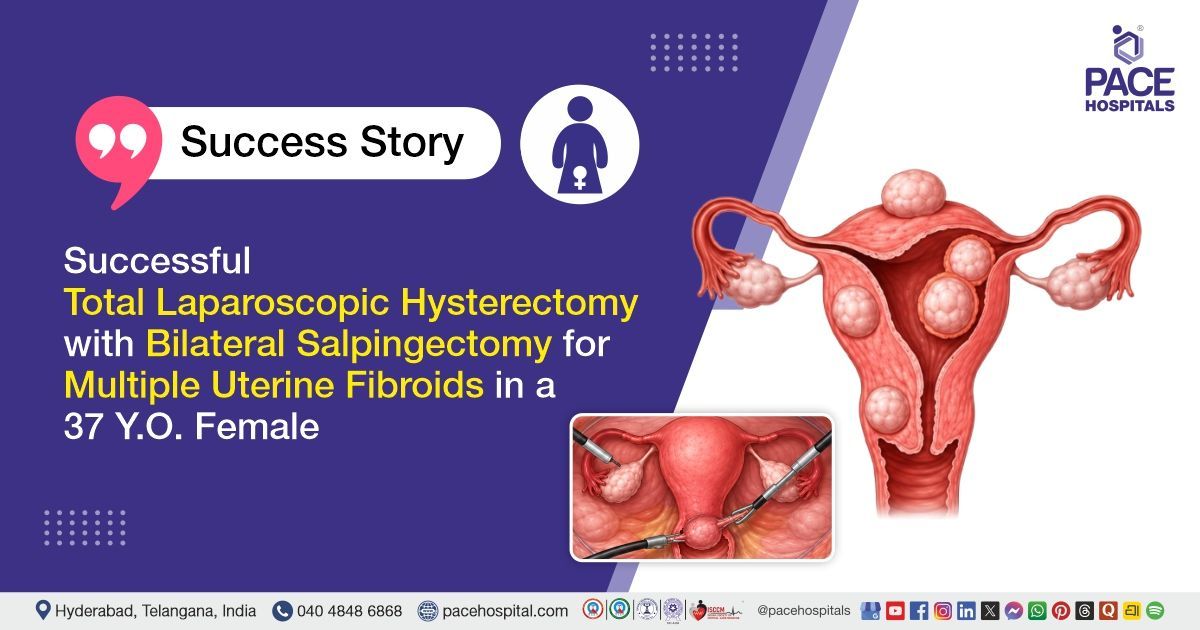
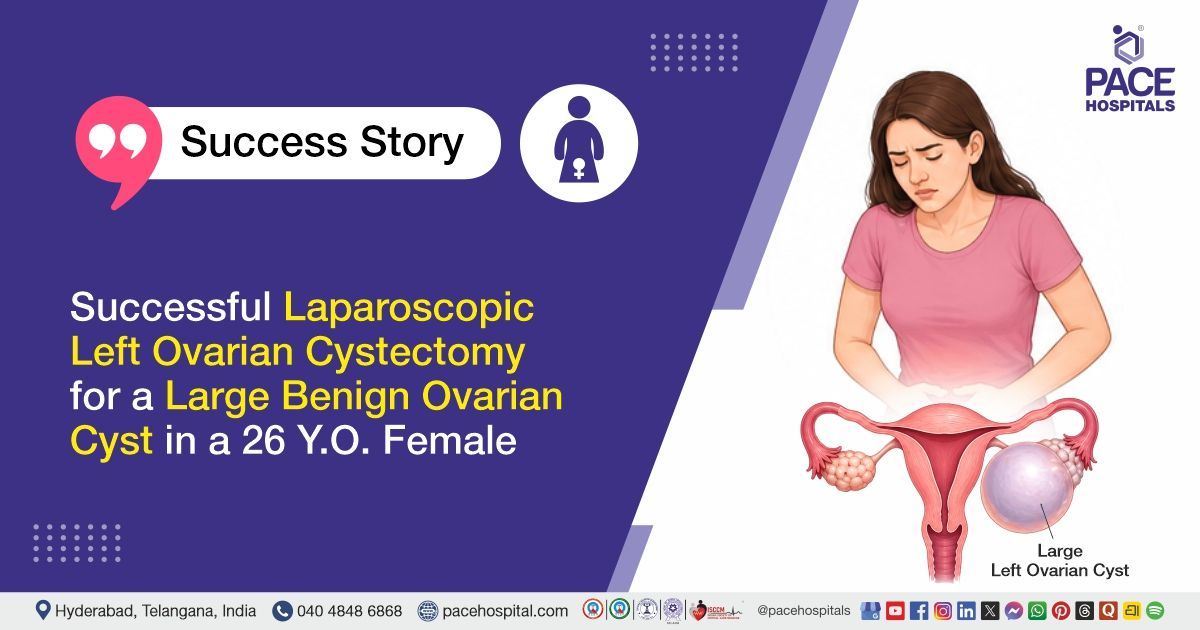
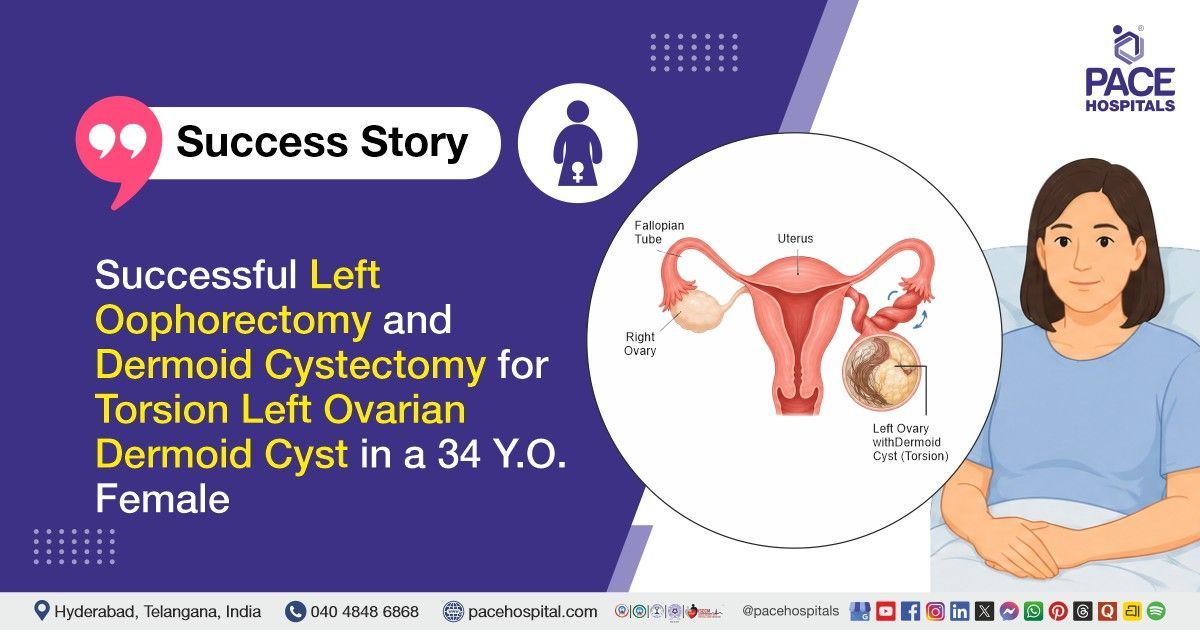
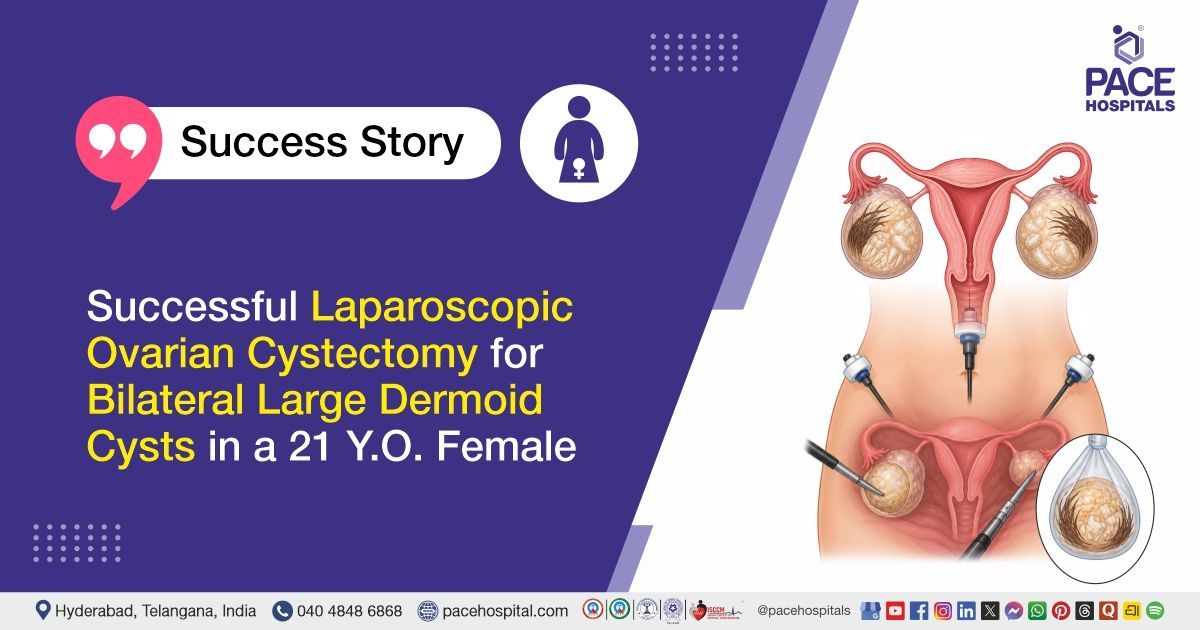
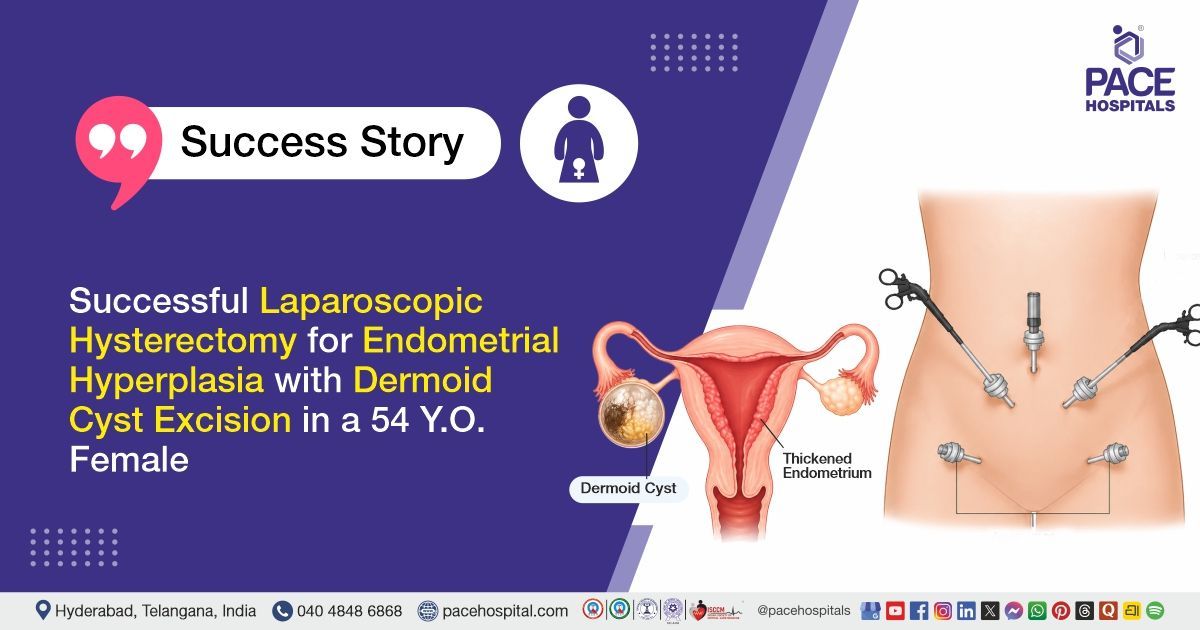
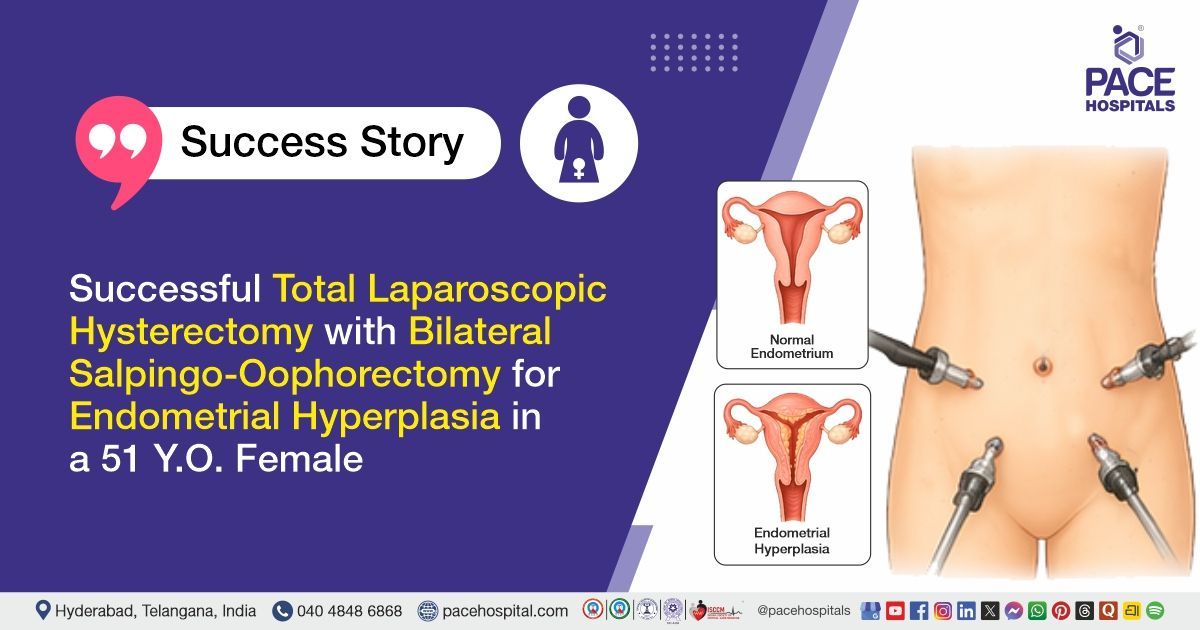
Gynecological Conditions, Treatments & Procedures Explained by Our Gynecologist
Consult Top Gynecologists in Hyderabad, Telangana, India
Meet Dr. Mugdha Bandawar, an experienced Obstetrician, Gynecologist, Laparoscopic Surgeon and Infertility Consultant at PACE Hospitals, Hyderabad, with over 10 years of experience in women's healthcare. Patients looking for a top gynecologist in Hyderabad, India, can consult her for pregnancy and high-risk obstetric care, infertility evaluation and treatment, PMOS/PCOD, menstrual and hormonal disorders, fibroids, ovarian conditions, menopause, and other gynecological concerns. Her expertise in laparoscopic and hysteroscopic procedures, combined with personalised, evidence-based care, supports women through diagnosis, treatment, pregnancy, childbirth, and long-term reproductive health.
Frequently Asked Questions (FAQs) About Gynecology & Women's Healthcare
Who is the best gynecologist in Hyderabad, India?
Dr. Mugdha Bandawar is regarded as one of the best gynecologists in Hyderabad, India, with over 10 years of experience as an Obstetrician, Gynecologist, Laparoscopic Surgeon and Infertility Consultant. Her expertise covers a wide range of women's healthcare needs, including pregnancy and high-risk obstetric care, infertility, PMOS, menstrual and hormonal disorders, fibroids, ovarian conditions, menopause, and minimally invasive gynecological procedures. Her personalised approach, surgical expertise, and focus on evidence-based care make her a trusted choice for women seeking comprehensive gynecological and obstetric care in Hyderabad.
Why choose PACE Hospitals for gynecologist consultation in Hyderabad?
PACE Hospitals offers comprehensive gynecological and obstetric care, making it easier for women to receive evaluation, treatment, and follow-up care based on their individual needs. Patients can benefit from:
- Experienced gynecological and obstetric care: Evaluation and management of routine, complex, and pregnancy-related women's health concerns.
- Comprehensive women's healthcare: Care for PMOS, menstrual disorders, infertility, fibroids, ovarian conditions, menopause, and other gynecological problems.
- Pregnancy and high-risk obstetric care: Monitoring and management throughout pregnancy, including pregnancy-related conditions and delivery care.
- Minimally invasive surgical expertise: Laparoscopic and hysteroscopic procedures can offer appropriate patients less invasive treatment options for selected gynecological conditions.
- Infertility evaluation and treatment: Assessment of reproductive health and fertility-related concerns with personalised treatment planning.
- Advanced diagnostic support: Relevant laboratory, imaging, and gynecological investigations help doctors identify the underlying condition and plan appropriate care.
- Personalised treatment approach: Treatment recommendations are based on the woman's symptoms, diagnosis, age, reproductive goals, and overall health rather than using a one-size-fits-all approach.
- Continuity of care: Women can receive ongoing support through diagnosis, treatment, pregnancy, delivery, and follow-up when required.
This makes PACE Hospitals a suitable option for women looking for gynecologist consultation in Hyderabad, particularly when they need comprehensive care extending beyond a routine consultation.
Can I consult an online gynecologist in Hyderabad?
Yes. PACE Hospitals offers online gynecologist consultations for women who need convenient medical advice without an immediate hospital visit. An online consultation can be useful for:
- Discussing menstrual concerns such as irregular or painful periods
- PMOS-related follow-up and management
- Reviewing medical reports, ultrasound findings, and previous prescriptions
- Fertility and pre-conception discussions
- Follow-up during pregnancy, when an in-person assessment is not required
- Medication-related queries and treatment follow-up
- Menopause and other ongoing gynecological concerns
If your symptoms require a physical examination, ultrasound, laboratory investigation, pregnancy assessment, or urgent medical attention, the gynecologist may recommend an in-person consultation at PACE Hospitals for appropriate evaluation and treatment.
What does a gynecologist do?
A gynecologist diagnoses and treats conditions affecting the female reproductive system, including the uterus, ovaries, fallopian tubes, cervix and vagina. Gynecological care includes menstrual problems, PMOS (formerly known as PCOS), infertility, pelvic pain, fibroids, ovarian cysts, infections, menopause, contraception and preventive women's healthcare. An obstetrician-gynecologist also provides pregnancy and childbirth care.
What does an obstetrician do?
An obstetrician specialises in caring for women during pregnancy, childbirth, and the postpartum period. Obstetric care includes:
- Antenatal and routine pregnancy care
- High-risk pregnancy management
- Monitoring the health and development of the baby
- Management of pregnancy-related conditions, such as gestational diabetes and pregnancy-induced hypertension
- Assessment and management of pregnancy complications, including ectopic pregnancy
- Labour and delivery care, including normal vaginal delivery and C-section when required
- Pre-delivery counselling and preparation
- Postpartum and post-delivery care
- Support for recovery after childbirth
An obstetrician-gynecologist (OB-GYN) can provide both pregnancy and childbirth care as well as gynecological care before and after pregnancy.
When should I consult a gynecologist doctor?
You do not need to wait for symptoms to become severe before seeing a gynecologist. A consultation can help identify the cause of persistent or unusual changes in your menstrual, reproductive, or overall women's health. Consider consulting a gynecologist if you experience:
- Irregular or missed periods that persist or repeatedly occur
- Heavy or prolonged menstrual bleeding
- Severe or worsening period pain
- Persistent pelvic or lower abdominal pain
- Unusual vaginal discharge, itching, burning, or odour
- Pain during sexual intercourse
- Difficulty conceiving or fertility concerns
- Pregnancy-related symptoms or concerns
- Menopausal symptoms affecting your daily life
- Any vaginal bleeding after menopause
- Unexplained changes in weight or other symptoms suggesting hormonal imbalance
A gynecologist can assess your symptoms, identify possible underlying conditions, recommend appropriate investigations, and guide you toward the right treatment or specialist care when needed.
Which doctor should I consult for PMOS?
A gynecologist can evaluate and manage Polyendocrine Metabolic Ovarian Syndrome (PMOS), formerly known as PCOS, including irregular periods, ovulation problems, hormonal symptoms and fertility concerns. Because PMOS can also involve metabolic health, some patients may benefit from coordinated care with an endocrinologist, nutrition specialist or other appropriate specialist.
Can Polyendocrine Metabolic Ovarian Syndrome (PMOS) affect fertility?
Yes. PMOS can interfere with regular ovulation and may make conception more difficult for some women. However, having PMOS does not mean that pregnancy is impossible. A gynecologist can assess ovulation, reproductive health and other fertility factors and recommend an appropriate treatment approach.
What are the symptoms of PMOS?
Polyendocrine Metabolic Ovarian Syndrome (PMOS) may be associated with:
- Irregular or absent periods
- Ovulation problems
- Difficulty conceiving
- Excess facial or body hair
- Acne
- Weight or metabolic changes
- Insulin resistance
- Hormonal and metabolic disturbances
The condition is broader than an ovarian problem alone, which is one reason the international terminology was changed from PCOS to PMOS.
When should I see a gynecologist for irregular periods?
You should consult a gynecologist when your periods become persistently irregular, unusually infrequent, absent, very heavy, or significantly different from your usual pattern. PMOS, thyroid disorders, pregnancy, hormonal changes, significant weight changes and other medical conditions can contribute to menstrual irregularity.
Is heavy menstrual bleeding a reason to see a gynecologist?
Yes. Heavy menstrual bleeding can interfere with daily activities and may lead to iron-deficiency anaemia. A gynecologist can evaluate possible causes such as fibroids, adenomyosis, endometrial problems, hormonal or ovulatory disorders and other medical conditions, and recommend appropriate treatment.
Can a gynecologist treat painful periods?
Yes. A gynecologist can evaluate severe or persistent menstrual pain to determine whether it is associated with dysmenorrhea, endometriosis, adenomyosis, fibroids, or another pelvic condition. Treatment depends on the underlying cause and may include medication, hormonal treatment or minimally invasive procedures when appropriate.
When should I consult a gynecologist for infertility?
An infertility evaluation is generally recommended after 12 months of regular unprotected intercourse without pregnancy. For women older than 35, evaluation is generally recommended after six months, while women over 40 should discuss fertility evaluation with their doctor sooner.
What happens during an infertility evaluation?
An infertility evaluation may involve a detailed medical and menstrual history, physical examination, blood or urine tests, ultrasound and, when appropriate, assessment of the uterus and fallopian tubes. Because fertility involves both partners, evaluation may also include semen analysis for the male partner.
When should I start seeing a gynecologist during pregnancy?
You should contact an obstetrician as soon as you know or suspect that you are pregnant so that prenatal care can begin appropriately. Pregnancy care includes monitoring maternal and fetal health, recommended screening, nutritional guidance, assessment of pregnancy-related risks and preparation for delivery.
What is a high-risk pregnancy and when does it need obstetrician gynecologist care?
A pregnancy may require closer monitoring when the mother or baby has factors that increase the risk of complications. These may include certain chronic medical conditions, pregnancy-related hypertension, gestational diabetes, multiple pregnancy or previous pregnancy complications. The required monitoring depends on the individual pregnancy.
Is vaginal bleeding during pregnancy always dangerous?
Not necessarily, but vaginal bleeding during pregnancy should be discussed with an obstetrician. The possible causes vary according to the stage of pregnancy and may range from relatively minor conditions to complications requiring urgent treatment. Bleeding accompanied by severe abdominal or pelvic pain, dizziness or fainting requires prompt medical attention.
What are the warning signs of an ectopic pregnancy?
Possible symptoms include abnormal vaginal bleeding, pelvic or abdominal pain - particularly one-sided pain - shoulder pain, dizziness or fainting. A ruptured ectopic pregnancy can cause significant internal bleeding and is a medical emergency.
When should I seek immediate gynecological or obstetric care?
Seek urgent medical attention for:
- Severe pelvic or abdominal pain
- Heavy vaginal bleeding
- Fainting or severe dizziness
- Pregnancy-related bleeding with significant pain
- Severe pain during early pregnancy
- Sudden severe weakness
- Heavy bleeding after childbirth
- Severe headache or vision changes during pregnancy
- Severe breathlessness or chest pain during pregnancy
These symptoms can sometimes indicate serious gynecological or pregnancy-related complications.
Can a gynecologist treat uterine fibroids?
Yes. A gynecologist can diagnose and manage uterine fibroids based on their size, location, symptoms, age, fertility plans and overall health. Depending on the situation, treatment may involve observation, medication or procedures such as myomectomy or hysterectomy.
When is laparoscopic gynecological surgery recommended?
Laparoscopic surgery may be considered for selected conditions such as ovarian cysts, fibroids, endometriosis, certain tubal conditions and other gynecological problems. The decision depends on the diagnosis, symptoms, reproductive plans and whether minimally invasive surgery is appropriate.
What gynecological conditions can be treated with laparoscopy?
Depending on the individual condition, laparoscopic procedures may be used for:
- Uterine fibroids
- Ovarian cysts
- Endometriosis
- Selected tubal conditions
- Hysterectomy
- Myomectomy
- Tubal procedures
- Diagnostic evaluation of pelvic conditions
Dr. Mugdha Bandawar has expertise in minimally invasive procedures including diagnostic laparoscopy, laparoscopic hysterectomy, laparoscopic myomectomy, tubal ligation, tubal recanalization and laparoscopic ovarian drilling.
When should I see a gynecologist for vaginal discharge?
You should consult a gynecologist if vaginal discharge is new, persistent or accompanied by unpleasant odour, itching, burning, pelvic pain, pain during urination or abnormal bleeding. These symptoms can occur with vaginal or reproductive tract infections and other gynecological conditions requiring appropriate evaluation.
When should I see a gynecologist for menopause symptoms?
You can consult a gynecologist for troublesome symptoms such as hot flashes, sleep problems, vaginal dryness, mood changes, irregular periods during the menopausal transition, or other symptoms affecting daily life. Any vaginal bleeding after menopause should be medically evaluated.
Can a gynecologist help with family planning and contraception?
Yes. A gynecologist can discuss contraceptive options based on your health, reproductive plans and preferences. Depending on your needs, options may include oral contraceptives, intrauterine devices (IUDs), other hormonal methods and permanent contraception.
What is the difference between a gynecologist and an obstetrician?
A gynecologist primarily diagnoses and treats conditions affecting the female reproductive system, including menstrual disorders, PMOS, infertility, fibroids, ovarian conditions, pelvic pain, menopause and other women's health concerns. An obstetrician specialises in pregnancy, childbirth and care during the postpartum period, including routine and high-risk pregnancies and pregnancy-related complications.
Many doctors are trained as obstetrician-gynecologists (OB-GYNs) and can provide both types of care. At PACE Hospitals, women can receive comprehensive care covering gynecology, pregnancy, childbirth, infertility and minimally invasive gynecological procedures based on their individual needs.
Should I see a gynecologist or an obstetrician during pregnancy?
For pregnancy-related care, you should consult an obstetrician, who monitors the health of both mother and baby throughout pregnancy and manages labour, delivery and postpartum care. An obstetrician-gynecologist can provide both pregnancy care and gynecological care, making them suitable for women who need continuity of care before, during and after pregnancy.
Where can I find the best gynecologist near me?
If you are searching for the best gynecologist near me or a female gynecologist near me in Madhapur, HITEC City, Jubilee Hills, Kondapur, Gachibowli, or Kukatpally, PACE Hospitals, Hyderabad, offers convenient access to comprehensive women's healthcare. Located close to HITEC City Metro Station, PACE Hospitals provides gynecological and obstetric care for pregnancy, infertility, PMOS, menstrual disorders, menopause, pelvic pain, and other women's health concerns. Women can consult an experienced gynecologist based on their specific symptoms, reproductive health needs, and treatment requirements.
What Our Patients Say About Our Gynecologist at PACE Hospitals
Patient Testimonials
My periods had become irregular and painful, and I was also struggling with weight gain. At PACE Hospitals, Dr. Mugdha Bandawar evaluated my symptoms and recommended the necessary tests. She explained that my symptoms could be related to PCOS and guided me through the treatment and lifestyle changes. Her clear explanations and supportive approach made me feel comfortable throughout my care.
S. Priyanka, Kondapur, Hyderabad, India
We had been trying to conceive for some time and were worried about the cause of our infertility. At PACE Hospitals, Dr. Mugdha Bandawar evaluated my condition thoroughly and explained the fertility treatment options clearly. She guided us through each step and answered all our questions patiently. Her reassuring approach and regular follow-up gave us confidence throughout the treatment.
A. Kavya, Gachibowli, Hyderabad, India
I was experiencing heavy menstrual bleeding and severe pelvic pain that was affecting my daily life. At PACE Hospitals, Dr. Mugdha Bandawar assessed my condition and explained the possible cause and treatment options in detail. She recommended an appropriate treatment plan and patiently addressed all my concerns. I felt well supported throughout my treatment.
R. Swathi, Madhapur, Hyderabad, India
My pregnancy required closer monitoring because of some health concerns. At PACE Hospitals, Dr. Mugdha Bandawar guided me throughout the pregnancy, explained the important precautions and follow-ups, and supported me through delivery and post-pregnancy care. Her calm and compassionate approach gave me confidence during an important stage of my life.
P. Anusha, HITEC City, Hyderabad, India
Patient Education & Health Blogs on Gynecology and Women’s Health