Functional Endoscopic Sinus Surgery (FESS) Cost in Hyderabad, India – 2026 Guide
Get a Cost Estimate for Functional Endoscopic Sinus Surgery (FESS)
Procedure & Surgery Cost Pages
All You Need to Know About FESS
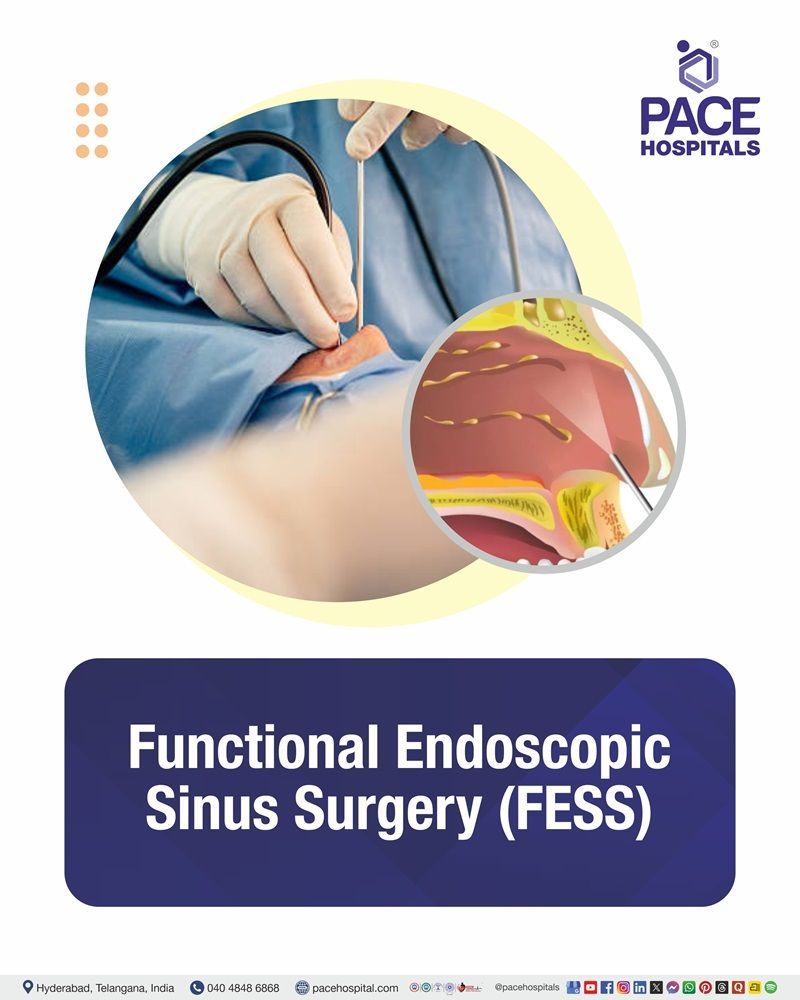
Functional endoscopic sinus surgery is a minimally invasive procedure used to treat chronic sinus problems that do not improve adequately with medicines. It uses a thin endoscope inserted through the nostrils to open blocked sinus passages, improve drainage, and restore normal sinus function.
- During FESS, the surgeon uses an endoscope and specialised instruments to remove blocked or diseased tissue and open the natural drainage pathways of the affected sinuses. No external skin incision is usually required.
- FESS improve sinus drainage, reduces nasal blockage and infection, relieves facial pressure, improves breathing, and reduces the frequency of sinus symptoms.
- FESS is performed under general anesthesia, and the procedure usually takes around 1–3 hours, which depends on the number and complexity of the sinuses being treated. Most patients can return to their home on the same day or after a short period of observation.
- Recovery may vary from person to person, but mild nasal congestion, swelling, tiredness, or blood-tinged discharge may occur during the early recovery period. Follow-up visits and nasal saline irrigation are adviced to support healing and keep the sinus passages clear as much possible.
Functional Endoscopic Sinus Surgery Cost in India
The estimated FESS cost in India ranges between ₹35,000 - ₹1,50,000+ (approximately US $365 - US $1,567+). However, the actual cost may vary depending on several factors, including:
- The patient's age, overall health, medical history, and severity of sinus disease.
- The type and extent of sinus condition (chronic sinusitis, nasal polyps, or fungal sinusitis).
- The number of sinuses requiring treatment and complexity of the surgery.
- FESS is combined with other procedures (like septoplasty or turbinate reduction).
- The type of hospital (private, government, or specialised ENT centre).
- Surgeon and anaesthesia fees and the use of advanced endoscopic equipment.
- Pre-operative evaluations, including nasal endoscopy, CT scan, and blood tests.
- Hospital stay and post-operative care requirements.
- Insurance coverage or corporate approvals for medically indicated treatment.
- Any complications that may arise during or after the procedure.
Functional Endoscopic Sinus Surgery Cost in Hyderabad, Telangana
The estimated FESS cost in Hyderabad ranges between ₹50,000 - ₹1,20,000+ (approximately US $522 - US $1,253+). The actual cost may vary depending on the extent of sinus disease, number of sinuses treated, surgical technique, hospital facilities, and whether other procedures such as septoplasty are performed at the same time.
However, the FESS Procedure Cost in Hyderabad is influenced by several factors, such as:
- The patient's age, overall health, medical history, and severity of sinus disease.
- The extent and type of sinus condition, including chronic sinusitis, nasal polyps, or fungal sinus disease.
- The number of sinuses requiring treatment.
- Whether FESS is combined with procedures such as septoplasty, turbinate reduction, or polyp removal.
- The hospital facility chosen and its infrastructure.
- Surgeon expertise and the complexity of the procedure.
- Pre-operative evaluations, nasal endoscopy, CT scans, and other investigations.
- Insurance or corporate approvals for medically necessary treatment.
- Post-operative medicines, follow-up visits, and nasal care.
- Any complications during or after the procedure.
Cost Breakdown According to the Type of FESS
- Limited FESS / single-sinus procedure: ₹35,000–₹55,000 (US $365– US $574) approx.
- Standard FESS / multi-sinus surgery: ₹45,000–₹85,000 (US $470 – US $887) approx.
- FESS with nasal polyp removal: ₹50,000–₹95,000 (US $522 – US $992) approx.
- FESS with septoplasty: ₹55,000–₹1,10,000 (US $574 – US $1,044) approx.
- FESS with turbinoplasty or turbinate reduction: ₹55,000–₹1,00,000 (US $574 – US $1,148) approx.
- Image-guided navigation-assisted FESS: ₹75,000–₹1,30,000 (US $783 – US $1,357) approx.
- FESS with septoplasty and turbinoplasty: ₹90,000–₹1,20,000 (US $938 – US $1,253) approx.
- Revision FESS / complex sinus surgery: ₹80,000–₹1,50,000+ (US $835 – US $1,566+) approx.
Note: These are estimated costs. The exact cost for an individual patient is determined after a thorough evaluation by the ENT specialist, including assessment of symptoms, nasal endoscopy, CT scan findings, extent of sinus disease, and the surgical plan.
Additional Information: The cost of FESS in Hyderabad may vary depending on the number of sinuses requiring treatment, severity of sinus disease, presence of nasal polyps or fungal infection, need for septoplasty or other additional procedures, type of anaesthesia, hospital stay, surgical equipment, and the experience and expertise of the ENT surgeon. The above breakdown helps patients understand the possible expenses and receive a personalised treatment plan and transparent cost estimate based on their medical needs.
Breakdown of FESS Costs
FESS costs may vary depending on the hospital, the extent of sinus disease, the number of sinuses treated, the surgical technique utilised, and the patient's overall health. Below is a detailed breakdown of the expenses associated with endoscopic sinus surgery:
Pre-Surgery Costs
- Consultation Fees: Charges for consultations with ENT specialists, depending on the specialist's expertise and hospital.
- Diagnostic Tests: Includes nasal endoscopy, blood tests, CT scan of the paranasal sinuses, and other investigations required to assess the sinus condition and plan surgery.
- Pre-Surgical Screening: Comprehensive health assessment, including anaesthesia evaluation and other tests required to confirm that the patient is fit for surgery.
FESS Costs
- Hospitalisation Charges: Room charges during pre-operative preparation and post-operative recovery. Day-care or short-stay admission may be possible for suitable patients.
- Surgical Procedure: Costs associated with FESS, including the ENT surgeon's fees, operation theatre charges, endoscopic equipment, specialised instruments, and other procedure-related expenses.
- Anaesthesia and Surgical Team Fees: Charges for general anaesthesia, anaesthesiologist, operation theatre staff, and the ENT surgical team involved in the procedure.
- Surgical Consumables: Additional costs may apply for nasal packing, haemostatic materials, specialised instruments, or other consumables used during surgery.
Post-Surgery Care Costs
- Recovery and Observation: Charges for post-operative monitoring and observation following FESS, depending on the patient's condition and extent of surgery.
- Hospital Stay: General hospitalisation expenses, if an overnight stay is required. Many suitable patients may be discharged on the same day.
- Medicines and Supportive Care: These may include pain medicines, nasal saline solutions, antibiotics when indicated, and other prescribed medications during recovery.
- Follow-Up Visits and Monitoring: Follow-up consultations, nasal endoscopy, nasal cleaning or debridement when required, and monitoring of sinus healing all contribute to the overall cost.
Note: This pricing structure helps patients and their family members to understand the major costs that are associated with FESS. At PACE Hospitals, Hyderabad, we provide detailed, personalised cost estimates based on the patient's sinus condition, CT findings, surgical requirements, and overall medical needs, supporting transparent treatment planning and comprehensive ENT care.
Who Needs Functional Endoscopic Sinus Surgery (FESS)?
FESS is not required for every patient with sinus problems. It is usually recommended when chronic or recurrent sinus disease does not improve adequately with medicines or when blocked sinus drainage pathways require surgical treatment.
Common Conditions Indicating Need for FESS
- Chronic Sinusitis: It is a long-lasting inflammation and blockage of the sinuses that continues despite appropriate medical treatment. FESS procedure opens blocked drainage pathways and improves sinus ventilation.
- Recurrent Sinus Infections: Patients who experience frequent sinus infections despite appropriate medical management may benefit from surgery to improve sinus drainage.
- Nasal Polyps: Large or persistent nasal polyps can block the nasal passages and sinus openings. FESS can remove these polyps and improve airflow and drainage.
- Fungal Sinusitis: Selected patients with fungal material or fungal infection within the sinuses may require FESS to clear the affected tissue and improve drainage.
- Blocked Sinus Drainage Pathways: Structural narrowing or blockage of the natural sinus openings can prevent normal mucus drainage and may require surgical correction.
- Sinus-Related Complications: In selected cases, severe sinus infection can spread to nearby areas and cause complications requiring urgent surgical treatment.
- Certain Sinus or Nasal Lesions: Some benign or other localised lesions affecting the sinuses may require endoscopic removal when they cause symptoms or cannot be adequately assessed or treated with medicines.
Who May Not Be Suitable for Functional Endoscopic Sinus Surgery (FESS)?
While FESS can be an effective treatment for chronic sinus conditions, it is not suitable or immediately recommended for every patient. Certain conditions may require medical treatment or stabilisation before surgery:
- Active or uncontrolled infection: A severe acute sinus infection may need to be treated before elective FESS is considered.
- Uncontrolled medical conditions: Serious heart, lung, bleeding, or other medical conditions may increase the risks associated with anaesthesia and surgery.
- Bleeding disorders: Patients with uncontrolled clotting problems or those taking certain blood-thinning medicines may need appropriate evaluation and management before surgery.
- Severe uncontrolled asthma or respiratory problems: These may need to be stabilised before undergoing general anaesthesia.
- Pregnancy: Elective FESS is generally postponed during pregnancy unless there is a strong medical reason for surgery.
- Conditions that can be managed effectively with medicines: Patients whose symptoms improve adequately with medications, nasal sprays, saline irrigation, or other treatments may not need surgery.
Assessment by an experienced ENT specialist is important to determine whether FESS is appropriate. A detailed evaluation, including nasal endoscopy, medical history, and CT scan of the sinuses when required, helps the doctor decide whether surgery is necessary and safe for the patient.
Functional Endoscopic Sinus Surgery (FESS)– How is the Procedure Done?
FESS is performed under general anaesthesia to open blocked sinus passages and improve sinus drainage. The steps typically include:
- Pre-procedure evaluation: Nasal examination, nasal endoscopy, CT scan of the sinuses, and other assessments are performed to identify the affected sinuses and plan the surgery.
- Surgical planning: The surgeon determines which sinus passages are blocked and which areas need to be treated based on the patient's symptoms and CT findings.
- Endoscopic sinus surgery: A thin endoscope and specialised instruments are inserted through the nostrils to remove blocked or diseased tissue and open the natural sinus drainage pathways. No external incision is usually required.
- Monitoring and safety checks: The patient's vital signs, bleeding, and surgical area were closely monitored throughout the procedure.
- Recovery: Patients are usually observed for a few hours after surgery and may return home the same day or after a short hospital stay, depending on the extent of surgery and their recovery.
Types of Functional Endoscopic Sinus Surgery
Surgeons perform different forms of FESS based on the sinuses affected, sinus disease severity, and the extent of blockage. The surgeon chooses the optimal procedure based on the patient's symptoms, exam, and imaging results.
- Maxillary Antrostomy: Opens the natural drainage pathway of the maxillary sinus to improve drainage and treat persistent disease.
- Anterior Ethmoidectomy: Removes diseased or blocked tissue from the front part of the ethmoid sinuses to improve sinus drainage.
- Posterior Ethmoidectomy: Opens the deeper ethmoid sinus cells when disease affects the back portion of the ethmoid sinuses.
- Frontal Sinusotomy: Opens the drainage pathway of the frontal sinus when blockage or chronic inflammation affects this area.
- Sphenoidotomy: Opens the sphenoid sinus to treat disease or blockage involving this deeper sinus.
- Comprehensive FESS: Combines procedures on multiple sinuses when chronic sinus disease affects several sinus groups.
Post-Functional Endoscopic Sinus Surgery (FESS) Care Tips
After FESS, careful attention to recovery is essential for proper healing and maintaining clear sinus passages.
- It is advised to attend all scheduled follow-up appointments so the doctor can check healing and clear any crusting or mucus if required.
- It is recommended to use saline nasal rinses as instructed by the doctor to keep the nasal passages clean and support healing.
- It is advised to avoid blowing the nose forcefully, especially during the early recovery period.
- Patients should avoid heavy lifting, strenuous physical exercise, and bending forward until the doctor confirms that it is safe.
- It is recommended to take prescribed medicines, such as pain relievers, nasal sprays, or antibiotics, exactly as directed.
- It is advised to avoid smoking, alcohol, and exposure to dust, smoke, or other nasal irritants during recovery.
- Patients should sleep with the head slightly elevated to help reduce nasal swelling and congestion.
- Patients should contact the doctor immediately if they develop heavy or persistent nasal bleeding, high fever, severe headache, increasing facial swelling, vision changes, severe pain, or difficulty breathing.
Key Factors Influencing FESS Cost
Functional Endoscopic Sinus Surgery (FESS) is an ENT procedure, and several factors can affect the overall cost. Understanding these factors can help patients and families better plan their finances for treatment.
These mainly include the following:
Pre-Surgery Evaluation
ENT consultation, nasal endoscopy, CT scan of the sinuses, blood tests, allergy assessment when needed, and anesthesia evaluation all contribute to the overall cost.
Hospital and Location
The hospital's infrastructure, operating theatre facilities, endoscopy equipment, recovery units, and specialised ENT services can influence the cost.
Extent of Sinus Surgery
The cost depends on the number of sinuses involved and the extent of disease. Surgery involving multiple sinuses or extensive nasal polyps may require more surgical time and specialised care.
Surgical Technique
Standard FESS, image-guided FESS, and FESS combined with procedures such as septoplasty or turbinate reduction may have different costs depending on the technology and surgical expertise required.
Surgeon Expertise
The experience and expertise of the ENT surgeon can influence professional fees, particularly when treating complex or recurrent sinus disease.
Anaesthesia and Surgical Team
The type of anaesthesia, anaesthesiologist's fees, operation theatre charges, and other surgical team costs contribute to the overall treatment expenses.
Hospital Stay and Post-Operative Care
Many patients require only a short hospital stay, but the duration may vary depending on the extent of surgery and recovery. Nasal dressings, medications, saline irrigation, and follow-up visits also can contribute to the total cost.
Patient's Overall Health
The patient's age, overall health, severity of sinus disease, nasal polyps, allergies, and other medical conditions can influence surgical planning, recovery, and overall cost.
Additional Procedures
If FESS is performed along with septoplasty, turbinate reduction, polyp removal, or other nasal procedures, the overall treatment cost may increase.
Complications During or After Surgery
Uncommon complications such as significant bleeding, infection, or the need for additional treatment may result in additional medical expenses and a longer hospital stay.
Insurance Coverage
The extent of insurance coverage, corporate approvals, and cashless treatment eligibility can significantly affect the patient's out-of-pocket expenses.
Why Choose PACE Hospitals for Functional Endoscopic Sinus Surgery (FESS) in Hyderabad, India?
PACE Hospitals, Hyderabad, is a trusted centre for Functional Endoscopic Sinus Surgery (FESS) and advanced ENT care.
- We have highly experienced ENT surgeons, anaesthesiologists, and specialised nursing teams who follow evidence-based protocols for safe and effective sinus surgery.
- Our facilities include advanced endoscopic equipment, modern operation theatres, high-resolution imaging, and dedicated post-operative care. We provide patient-centred care, including personalised treatment plans, close monitoring during recovery, and cost estimates based on each patient's condition and treatment needs.
For patients who are looking for the Best Hospital for FESS in Hyderabad, Telangana, India, PACE Hospitals offers advanced ENT care, experienced specialists, modern facilities, competitive costs, and transparent treatment planning.
Financial Assistance and Payment Plans at PACE Hospitals
FESS procedure should be accessible and financially manageable for each and every patient. The PACE Hospitals team assists eligible patients and their families with insurance coordination, cashless treatment, and clear cost estimates.
- Cashless hospitalisation with empanelled insurers and TPAs
- Pre-authorization and insurance documentation guidance
- Reimbursement assistance when cashless treatment is unavailable
- Transparent pre-admission cost estimates
- Support for corporate and eligible government health schemes
- Guidance on expected procedure, hospitalisation, and follow-up expenses
Functional Endoscopic Sinus Surgery (FESS) Success Rate
Functional Endoscopic Sinus Surgery (FESS) is a well-established treatment for selected patients with chronic sinus conditions that do not improve adequately with medical treatment. In suitable patients, surgery can improve sinus drainage, reduce symptoms, and improve overall quality of life.
Possible benefits may include:
- Improved nasal breathing and reduced nasal blockage.
- Reduced frequency and severity of sinus infections.
- Relief from facial pressure, headache, and other sinus-related symptoms.
- Improved sinus drainage and reduced inflammation.
- Better quality of life and daily functioning.
Outcomes vary from person to person. They depend on the underlying sinus condition, severity of disease, presence of nasal polyps, extent of sinus involvement, adherence to post-operative care, and whether additional medical treatment is needed.
Request a Personalized Treatment Cost Estimate
Every patient's medical condition and treatment plans are unique, which means the overall cost can vary. To receive an accurate estimate, our specialists evaluate your diagnosis, medical history, recommended treatment, and any necessary investigations before providing a detailed cost breakdown.
Whether you are planning a diagnostic test, treatment, or surgery, our team is here to help you understand the expected expenses and guide you through every step of the process.
Get in touch with us today to request a personalized treatment cost estimate.