Upper GI Endoscopy Cost in Hyderabad, India – 2026 Guide
Get a Cost Estimate for Upper GI Endoscopy
Procedure & Surgery Cost Pages
All You Need To Know About Upper GI Endoscopy
An Upper GI Endoscopy / esophagogastroduodenoscopy (EGD) or UGI endoscopy test is a procedure that enables visualization of the upper digestive system including oropharynx, esophagus, stomach, and the proximal part of the duodenum. It allows for both diagnosis and treatment of conditions affecting the upper gastrointestinal tract.
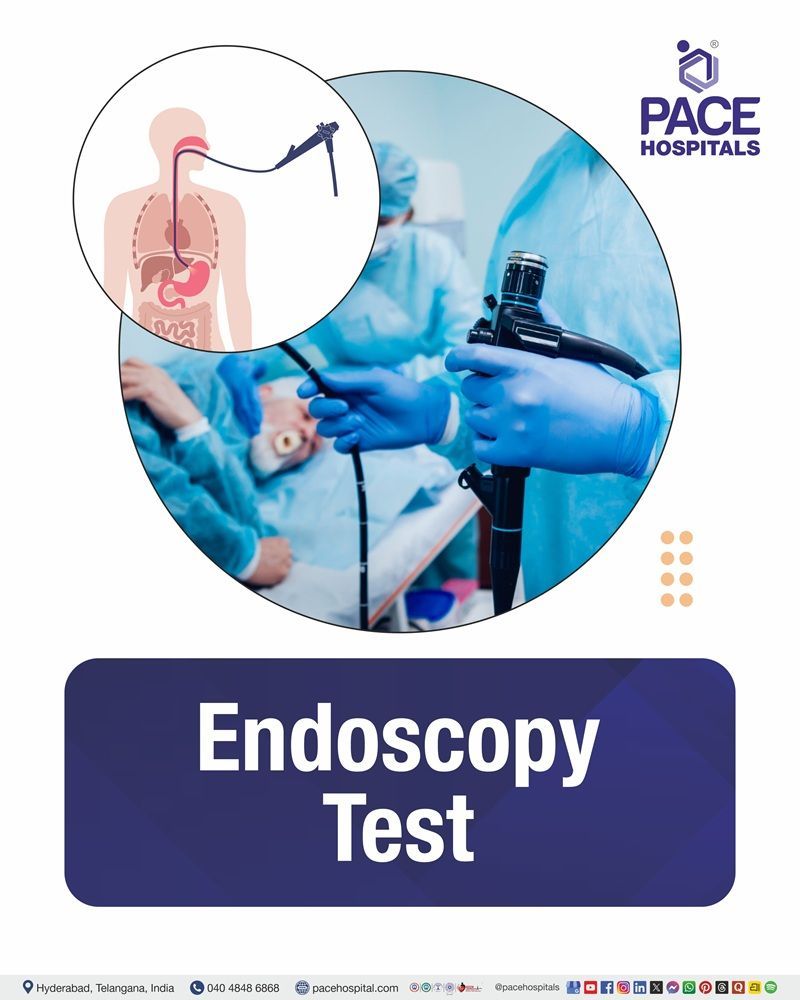
This endoscopy procedure uses a long, flexible tube known as an endoscope. One end of the tube carries a small light and a video camera. It is inserted through the mouth and throat, then carefully guided down the esophagus (food pipe) into the stomach, and finally into the duodenum.
Upper gastrointestinal endoscopy is a commonly performed procedure in gastroenterology. It helps doctors identify problems in the upper digestive tract and can also be used to provide treatment when needed. During the procedure, the gastroenterologist examines areas such as the oropharynx, esophagus, stomach, and duodenum, which is the first section of the small intestine.
Given the complexity of the procedure, upper gastrointestinal endoscopy is usually performed by trained physicians called endoscopists. Gastroenterologists are the primary specialists who carry out this examination because of their expertise in diagnosing and treating conditions of the gastrointestinal tract, including inflammation, bleeding, ulcers, and tumors.
Upper GI Endoscopy Cost in India
The average cost of an Upper GI Endoscopy in India generally ranges from ₹2,000 to ₹15,500 (approximately US $20 to US $161). The final cost may differ based on various factors, such as:
- The patient’s age, overall health condition, and medical history.
- The reason for undergoing the endoscopy and the complexity of the procedure.
- Type of endoscopy performed and whether additional procedures such as biopsy or therapeutic interventions are required.
- The type of hospital or diagnostic centre (private, government, or trust hospitals).
- Hospital charges, including consultation fees, procedure charges, room category, and available facilities.
- Use of sedation or anesthesia during the procedure.
- Laboratory tests, pre-procedure evaluations, and post-procedure follow-up requirements.
- Insurance coverage or corporate approvals for cashless treatment.
- Any additional treatment or complications that may occur during or after the procedure.
Upper GI Endoscopy Cost in Hyderabad, Telangana
On average, Upper GI Endoscopy cost in Hyderabad ranges between ₹1500 and ₹15,000 (approximately US $15 to US $155). These rates offer a cost-effective option for patients compared to many other healthcare settings, with advanced diagnostic facilities and experienced gastroenterology services readily available across hospitals in the city.
However, the cost of Upper GI Endoscopy in Hyderabad is influenced by several factors, such as:
- The patient’s age, overall health condition, and medical history.
- The type of endoscopy procedure required and the reason for the examination.
- Whether additional procedures such as biopsy or therapeutic interventions are performed.
- The hospital or diagnostic centre selected and the available facilities.
- Use of sedation or anesthesia during the procedure.
- Pre-procedure investigations and post-procedure follow-up requirements.
- Insurance coverage or corporate approvals for cashless services.
- Any complications or additional treatment required during or after the procedure.
Cost Breakdown According to Type of Upper GI Endoscopy Procedure
- Diagnostic Upper GI Endoscopy Cost: ₹2,000 to ₹8,000 (approximately US $20 to US $83).
- Upper GI Endoscopy with Biopsy Cost: ₹5,000 to ₹12,000 (approximately US $51 to US $124).
- Upper GI Endoscopy with Sedation Cost: ₹3,000 to ₹12,000 (approximately US $31 to US $124).
- Therapeutic Upper GI Endoscopy Cost: ₹6,000 to ₹15,000 (approximately US $62 to US $155).
Note: These are estimated costs. The exact cost for an individual patient is determined after a thorough evaluation by the gastroenterology team.
Additional Information: The overall cost of an upper gastrointestinal (GI) endoscopy is influenced by several factors. These include the type of procedure, whether a biopsy or other treatment is needed, the use of sedation or anesthesia, hospital and laboratory fees, and any follow-up care after the procedure. The experience of the gastroenterologist may also affect the cost. Because every patient has different medical needs, the total expense can vary from one case to another.
Breakdown of Upper GI Endoscopy Costs
The cost of an upper GI endoscopy is made up of several components and may vary depending on the hospital, the type of procedure, any additional treatments required, and the patient's medical condition. The following is a breakdown of the expenses that are commonly associated with an upper GI endoscopy:
Pre-Endoscopy Costs
- Consultation Fees: The cost includes the gastroenterologist's consultation fee, during which the doctor evaluates the symptoms, checks the patient's medical history, and decides if an endoscopy is needed.
- Diagnostic Tests: Includes required investigations such as blood tests, imaging studies, or other evaluations to assess the patient’s condition before the procedure.
- Pre-Procedure Assessment: Health evaluation to check the patient’s fitness for the procedure, especially if sedation or anesthesia is planned.
Upper GI Endoscopy Procedure Costs
- Hospital or Diagnostic Centre Charges: Includes the charges for the procedure room, hospital facilities, and the use of equipment required during the endoscopy.
- Endoscopy Procedure Charges: Costs associated with performing the Upper GI Endoscopy, including gastroenterologist fees and technical staff charges.
- Sedation and Anesthesia Charges: Additional charges may apply if sedation or anesthesia is required for patient comfort during the procedure.
- Additional Procedures: Extra costs may be involved if procedures such as biopsy collection, bleeding control, foreign body removal, or other therapeutic interventions are performed.
Post-Endoscopy Care Costs
- Recovery Room Charges: Monitoring and care provided immediately after the procedure, especially for patients who are given sedation, to help ensure a smooth and safe recovery.
- Medicines and Supportive Care: Includes prescribed medications, if required, after the procedure.
- Follow-Up Consultation: Charges for reviewing endoscopy findings, biopsy reports, and planning further treatment if needed.
Understanding the factors that affect the cost of an upper GI(UGI) endoscopy helps patients plan their treatment expenses better. At PACE Hospitals, Hyderabad, the charges are explained clearly and are based on the patient's medical condition, required procedures, and treatment needs. The hospital focuses on providing quality gastroenterology care with advanced diagnostic facilities while ensuring patients have a clear understanding of the costs involved.
Who Needs Upper GI Endoscopy?
Upper GI Endoscopy is not needed for every person experiencing digestive problems. Doctors usually recommend it when symptoms continue for a long time, keep coming back, or indicate a possible issue in the esophagus, stomach, or the first part of the small intestine. The procedure helps identify the cause of symptoms, collect tissue samples if required, and may also allow certain treatments to be performed during the same session.
Common Conditions Indicating the Need for Upper GI Endoscopy
- Persistent Upper Abdominal Pain: People experiencing persistent or unexplained pain in the upper abdomen that does not improve with medication may be advised to undergo an endoscopy. The procedure can help doctors identify possible causes such as gastritis, peptic ulcers, or other stomach-related conditions.
- Difficulty in Swallowing (Dysphagia): People who experience difficulty or pain while swallowing may need an Upper GI Endoscopy to evaluate the esophagus for narrowing inflammation, strictures, or growths.
- Persistent Heartburn or Gastroesophageal Reflux Disease (GERD): Patients with long-standing acid reflux, frequent heartburn, or symptoms that do not respond to treatment may undergo endoscopy to assess for esophagitis, Barrett’s esophagus, or other complications of GERD.
- Gastrointestinal Bleeding: Individuals with symptoms such as vomiting blood, passing black tarry stools (melena), or unexplained anemia may require an emergency Upper GI Endoscopy to identify and, when possible, treat the source of bleeding.
- Peptic Ulcers: Upper GI Endoscopy is commonly performed to diagnose stomach and duodenal ulcers, determine their cause, obtain biopsies if required, and monitor healing after treatment.
- Persistent Nausea and Vomiting: Ongoing nausea or vomiting without a clear cause may require endoscopy to identify blockages, inflammation, ulcers, or other upper gastrointestinal conditions.
- Unexplained Weight Loss or Loss of Appetite: Significant, unexplained weight loss or reduced appetite may warrant an endoscopic examination to investigate possible disorders of the upper digestive tract, including cancer.
- Suspected Upper Gastrointestinal Cancer: Endoscopy may be recommended when symptoms or scan results indicate a possible tumor or cancer in the esophagus, stomach, or duodenum. It helps doctors examine the area directly and take tissue samples (biopsy) for further testing and confirmation of the diagnosis.
- Need for Biopsy or Therapeutic Procedures: Upper GI Endoscopy may also be performed to obtain tissue samples for laboratory analysis or to carry out therapeutic procedures such as removing foreign bodies, controlling bleeding, dilating narrowed areas of the esophagus, or removing certain polyps.
Who is Not Eligible for Upper GI Endoscopy?
While Upper GI Endoscopy is generally a safe and effective procedure, it is not suitable for everyone. Certain medical conditions or health risks may make the procedure unsafe or require it to be postponed:
- Unstable heart or lung conditions: Patients with severe heart disease, uncontrolled arrhythmias, respiratory failure, or unstable blood pressure may require stabilization before undergoing an Upper GI Endoscopy.
- Active gastrointestinal perforation: Individuals with a known or suspected perforation (hole) in the esophagus, stomach, or upper intestine may not be suitable candidates until the condition has been evaluated and managed.
- Severe bleeding disorders: Patients with uncontrolled bleeding disorders or those taking blood-thinning medications may have an increased risk of bleeding, especially if a biopsy or therapeutic procedure is planned.
- Recent heart attack or stroke: Patients recovering from a recent myocardial infarction or stroke may need to delay the procedure until their medical condition is stable.
- Severe allergy or intolerance to sedative medications: Patients with a history of serious allergic reactions to sedatives or anesthetic agents may require alternative medications or additional precautions before the procedure.
- Inability to cooperate with the procedure: Individuals who cannot safely undergo the examination due to severe confusion, altered mental status, or certain neurological conditions may require special consideration or alternative diagnostic methods.
A consultation with a gastroenterologist helps decide if an endoscopy is suitable for the patient. Before the procedure, the doctor reviews the patient's medical history, current medications, allergies, and overall health condition to ensure the procedure is carried out safely and to determine the required diagnostic or treatment approach.
How is Upper GI Endoscopy done?
Upper GI Endoscopy is a minimally invasive procedure performed using a thin, flexible endoscope to examine the upper digestive tract. The steps include:
Pre-procedure evaluation: Medical history, physical examination, and fasting for 6–8 hours before the procedure.
- Preparation: Local anesthetic throat spray with or without intravenous sedation for comfort.
- Endoscopy procedure: The endoscope is passed through the mouth to examine the esophagus, stomach, and duodenum. Biopsy or treatment may be performed if needed.
- Monitoring: Heart rate, blood pressure, and oxygen levels are monitored throughout the procedure.
- Recovery: Patients are observed briefly after the procedure and are usually discharged the same day.
Types of Upper GI Endoscopy
Different types of Upper GI Endoscopy are performed based on the patient's condition and the purpose of the procedure. The type of endoscopy may also influence the overall cost:
- Diagnostic Upper GI Endoscopy: Examines the esophagus, stomach, and duodenum to diagnose digestive disorders.
- Upper GI Endoscopy with Biopsy: Tissue samples are collected during the procedure for laboratory examination and diagnosis.
- Therapeutic Upper GI Endoscopy: Used to treat conditions such as gastrointestinal bleeding, remove foreign bodies, dilate strictures, or remove certain polyps.
- Upper GI Endoscopy with Sedation: Performed under intravenous sedation to improve patient comfort during the procedure.
Post Upper GI Endoscopy Care Tips
After an Upper GI Endoscopy, following the recommended recovery instructions helps ensure a smooth recovery and reduces the risk of complications.
- It is advised to rest until the effects of sedation have completely worn off before resuming normal activities.
- It is recommended to avoid eating or drinking until the numbness in the throat has disappeared and swallowing feels normal.
- It is suggested to begin with light meals and gradually return to a regular diet as tolerated, unless otherwise instructed by the doctor.
- It is advised to avoid driving, operating heavy machinery, or making important decisions for at least 24 hours if sedation was administered.
- If a biopsy or therapeutic procedure was performed, it is recommended to follow the specific dietary and medication instructions provided by the gastroenterologist.
- It is advised to contact the doctor immediately if severe abdominal pain, persistent vomiting, fever, difficulty swallowing, chest pain, or bleeding develops after the procedure.
- It is recommended to attend follow-up appointments to review the endoscopy findings, biopsy results, and any further treatment plan.
Following these recommendations promotes a safe recovery and helps achieve the best possible outcome after an Upper GI Endoscopy.
Key Factors Influencing Upper GI Endoscopy Cost
The cost of an upper GI endoscopy may vary from patient to patient depending on the reason for the procedure, the type of endoscopy required, and the services included during the process. Having a clear understanding of these factors helps patients know what to expect and make informed decisions about their healthcare expenses.
Pre-Procedure Evaluation
Before an endoscopy, patients may need to consult a gastroenterologist and undergo necessary blood tests and other evaluations. The cost of these pre-procedure assessments is usually included in the total expenses of the procedure.
Insurance Coverage
Health insurance benefits and corporate cashless treatment approvals can help reduce the amount a patient needs to pay from their own pocket.
Hospital and Location
The cost of an upper GI endoscopy can vary depending on the hospital, diagnostic centre, and the location where the procedure is performed. Healthcare facilities in larger cities or multi-specialty hospitals may have different pricing compared to smaller hospitals or clinics.
Type of Endoscopy
A routine diagnostic upper GI endoscopy is usually more affordable than procedures that involve biopsy, treatment, or advanced endoscopic methods.
Sedation or Anesthesia
If sedation or anesthesia is used during the procedure, the cost may increase due to additional medications, monitoring, and related services.
Gastroenterologist's Expertise
The charges for consultation and the procedure may vary depending on the experience, qualifications, and expertise of the gastroenterologist performing the endoscopy.
Additional Procedures
If the endoscopy includes extra procedures such as taking a biopsy, controlling bleeding, removing a foreign object, or widening a narrowed area (stricture dilation), the total cost may be higher depending on the treatment required.
Post-Procedure Care
patients may have additional expenses for recovery room services, medications, follow-up visits, and biopsy tests if tissue samples are taken during the procedure. The total cost depends on the type of care required after the procedure.
Patient's Health Condition
Factors such as the patient's age, medical history, existing health conditions, and overall health status can affect the complexity of the procedure and the final cost.
Why Choose PACE Hospitals for Upper GI Endoscopy in Hyderabad, India?
PACE Hospitals, Hyderabad, is a trusted centre for Upper GI Endoscopy.
- Our team of experienced gastroenterologists, endoscopy specialists, anesthesiologists, and trained endoscopy nurses performs Upper GI Endoscopy procedures with a strong focus on patient safety and clinical accuracy.
- Our endoscopy unit has the required equipment to help doctors check the upper digestive tract during the procedure. After the test, patients are observed by the medical team for some time before they leave. The doctor explains the procedure and findings, answers any questions, and provides details about the cost depending on the patient's condition and treatment needs.
For patients looking for the Best Hospital for Upper GI Endoscopy or or EGD (esophagogastroduodenoscopy) in Hyderabad, Telangana, India, PACE Hospitals offers high-quality endoscopic care, affordable pricing, and clear, transparent treatment planning.
Financial Assistance and Payment Plans at PACE Hospitals
Quality gastrointestinal care should be accessible without financial stress. Our team assists patients with insurance-related services and provides guidance throughout the billing process.
- Cashless hospitalisation with empanelled insurers and TPAs.
- Assistance with pre-authorization and required documentation.
- Reimbursement support if the cashless facility is unavailable.
- Transparent cost estimates before the Upper GI Endoscopy procedure.
- Support for corporate health plans and eligible government healthcare schemes.
Upper GI Endoscopy Success Rate
Upper GI Endoscopy is a safe and effective diagnostic procedure with a high success rate of approximately 95% – 98%. Patients experience:
- Accurate diagnosis of digestive tract conditions.
- Early detection of ulcers, bleeding, inflammation, and other abnormalities.
- Timely treatment planning is based on endoscopy findings.
- Improved management of gastrointestinal symptoms.
- Long-term benefits depend on appropriate treatment, follow-up consultations, and adherence to medical advice.
Request a Personalized Treatment Cost Estimate
Every patient's medical condition and treatment plans are unique, which means the overall cost can vary. To receive an accurate estimate, our specialists evaluate your diagnosis, medical history, recommended treatment, and any necessary investigations before providing a detailed cost breakdown.
Whether you are planning a diagnostic test, treatment, or surgery, our team is here to help you understand the expected expenses and guide you through every step of the process.
Get in touch with us today to request a personalized treatment cost estimate.