Microwave Ablation Cost in Hyderabad, India – 2026 Guide
Get a Cost Estimate for Microwave Ablation
Procedure & Surgery Cost Pages
All You Need To Know About Microwave Ablation Procedure
Microwave Ablation (MWA) is a minimally invasive, image-guided procedure that uses microwave energy to generate heat to destroy abnormal or malignant tissue. When surgery is not an option or part of a comprehensive treatment strategy, it is frequently used to treat tumors in the liver, lungs, kidneys, bones, and other organs.
It involves using imaging guidance, such as an MRI, CT scan, or ultrasound, to insert a narrow microwave antenna (probe) percutaneously through the skin or into the target tumor during surgery.
High temperatures produced by microwave energy kill tumor cells aiming to minimize damage to nearby healthy tissue. In certain circumstances, the procedure relieves symptoms, helps control or eradicate localized malignancies, and preserves the function of the affected organ.
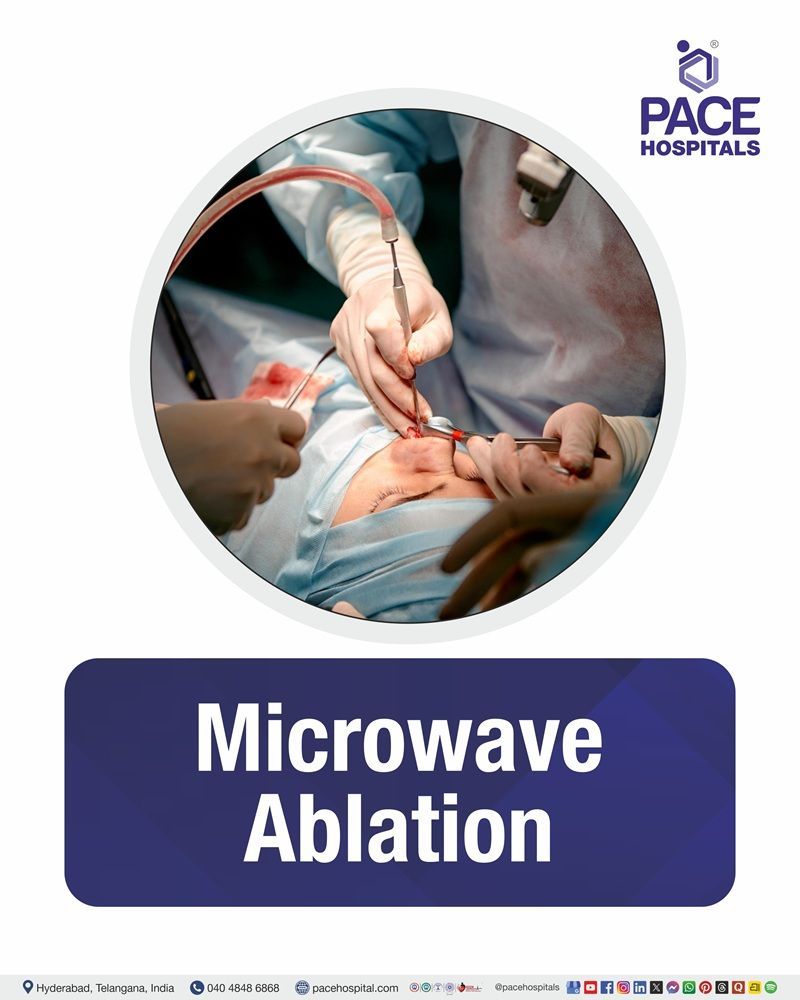
Microwave Ablation Cost in India
On average, the Microwave Ablation Procedure cost in India ranges from ₹60,000 to ₹3,50,000 and above (approximately US $621 to US $3,624). However, the actual cost may vary depending on several factors, including:
- Nature of the tumor – Type, size, quantity, and site (liver, kidneys, lungs, bones, thyroid, etc.)
- Complexity of the procedure, whether a single tumor or multiple tumors require ablation
- Mode of imaging guidance during the procedure – Ultrasound guided, CT scan guided, or MRI guided
- Age of the patient, health, and medical conditions
- Type of the hospital (private, corporate, or trust hospitals)
- Hospital fees, including room category and inpatient facilities (if hospitalization is needed)
- Type of anesthesia or sedation, and experience of interventional radiologists and medical team
- Pre-procedure tests (blood investigations, imaging tests, biopsy if needed), post-procedure recovery
- Insurance or corporate approvals for cashless procedures
Microwave Ablation Cost in Hyderabad, Telangana
On average, the Microwave Ablation Procedure cost in Hyderabad ranges from ₹1,00,000 to ₹2,50,000 and above (approximately US $1,036 to US $2,589). These rates offer a competitive and cost effective option compared to other top hospitals in the city, with advanced follow-up care and personalized treatment planning readily available.
However, the cost of Microwave Ablation (MWA) in Hyderabad is influenced by several factors, such as:
- Type of lesion/tumor that is to be treated
- The organ to be treated (liver, lungs, kidney, bones, or thyroid gland)
- The hospital facility where the procedure will take place
- Expertise of the interventional radiologist or the surgical team
- Use of imaging for guidance (computed tomography/ultrasound guidance)
- Investigations before the procedure, anesthesia, hospitalization, and follow-up care
- If complications occur, additional treatment or hospitalization may increase the total cost
Cost Breakdown According to Type of Microwave Ablation (MWA) Procedure
- Thyroid nodule microwave ablation - ₹1,20,000 - ₹2,00,000 (US $1,243 – US $2,071) (approx.)
- Varicose Veins MWA Treatment- ₹60,000 - ₹1,50,000 (US $621 – US $1,553) (approx.)
- Hepatic (Liver) Tumor MWA - ₹1,80,000 - ₹3,00,000 (US $1,864 – US $3,106) (approx.)
- Renal (kidney) Tumor MWA- ₹1,50,000 - ₹3,20,000 (US $1,553 – US $3,313) (approx.)
- Lung Tumor MWA- ₹2,00,000 - ₹2,80,000 (US $2,071 – US $2,899) (approx.)
- Bone Tumor MWA- ₹2,50,000 - ₹3,50,000+ (US $2,589 – US $3,624+) (approx.)
Note: These are approximate expenses that may change based on standard clinical practice patterns. The interventional radiology team determines the precise cost for each patient after a thorough assessment that accounts for the size, location, and number of lesions, imaging results, procedure complexity, anesthesia requirements, and expected length of hospital stay.
Additional Information: The cost of Microwave Ablation (MWA) could vary based on different factors such as the organ involved in the treatment process, the number of tumors or lesions being treated, imaging modalities (such as ultrasound or CT guided imaging) used, the type of anesthesia, complexity of the procedure and the time required to complete it, other diagnostic and therapeutic procedures involved, length of hospital stay, and experience of the interventional radiologist and health care professionals involved. This will ensure that all patients receive a customized treatment process accompanied by an accurate cost estimate for their specific medical condition.
Breakdown of Microwave Ablation Procedure Costs
The cost of Microwave Ablation (MWA) is determined by several factors, including the organ being treated (liver, thyroid, kidney, lung, bone, or soft tissues), the procedure's complexity, the need for imaging guidance, the patient's general health, and the length of hospital stay. The costs usually related to the Microwave Ablation procedure are broken down in detail below:
Pre-Procedure Costs
- Consultation Fees: Fees for consultation by an interventional radiologist, surgical oncologist, hepatobiliary surgeon, endocrinologist, or other doctors, based on the disease requiring treatment.
- Diagnostic Tests: Includes laboratory investigations (blood tests), image studies like USG, CT scan, MRI, or PET-CT (if necessary), and assessment of the lesion's size, location, and feasibility for Microwave Ablation.
- Routine Pre-Procedure Assessment (for Anesthesia/Sedation): All investigations before the procedure, such as complete blood count (CBC), liver function test (LFT), kidney function test (KFT), coagulation parameters (PT/INR, aPTT), blood sugar levels, ECG, chest X-ray, and any other investigation required for patient safety.
- Pre-Procedure Evaluation Including Medical History and Physical Examination: A detailed patient history and examination to assess all past medical illnesses, medicines (particularly anticoagulants), allergies, surgeries, and the past and present health status of the patient. The treating specialist will also assess the nature of the lesion, adjacent organs, and overall fitness for the procedure.
Microwave Ablation Procedure Costs
- Hospitalization Charges: Includes cost incurred on admission to the hospital, daycare or inpatient bed charges, nursing charges, and pre-procedural and post-procedural observation costs. ICU services may be included if required.
- Microwave Ablation Procedure: Cost of performing the microwave ablation, including cost of microwave generators, probes, disposable instruments, image-guided needle insertion and procedure room charges, and the specialist's professional fees.
- Anesthesia, Sedation, and Procedure Team Fees: Fees for local anesthesia, conscious sedation or general anesthesia (based on the procedure), along with the fees of the anesthesiologist, nursing, radiologic technicians and the interventional team members.
Post-Procedure Care Costs
- Post-Procedure Monitoring: Fees for monitoring during recovery, pain management, monitoring of vital signs, and evaluating possible complications arising after the procedure.
- Hospital Stay: Overall hospitalization cost after post-procedure recovery. Most individuals are discharged either on the day of the procedure or in 1-2 days, but a longer stay might be required in complicated cases.
- Follow-Up Visits and Imaging: Standard follow-up visits, blood tests, and imaging scans such as ultrasound, CT scan, or MRI to evaluate the effectiveness of treatment, healing process, recurrence, and complications, if any.
This cost structure helps maintain transparency and plan patient’s expenses for Microwave Ablation (MWA). At PACE Hospitals, Hyderabad, we provide accurate cost quotations based on the patient's medical condition, the organ to be treated, the complexity of the procedure, and individual treatment requirements, ensuring high-quality care at a competitive cost.
Who Needs Microwave Ablation Procedure?
Microwave Ablation (MWA) is not necessary in all cases where a patient may have a tumor or an abnormal growth of tissues. MWA is suggested for those patients who have small or medium sized tumors/lesions, which can be easily treated with a minimally invasive technique, especially when normal surgery is not possible or carries a higher risk.
Common Conditions Indicating the Need for Microwave Ablation Procedure:
- Liver Tumors: Selected patients with primary liver cancer or liver metastases, especially when surgery is not a suitable option.
- Kidney Tumors: Small renal tumors in patients who are poor surgical candidates or who need kidney-sparing treatment.
- Lung Tumors: Selected lung tumors or lung metastases in patients who are not fit for surgery.
- Thyroid Nodules: Symptomatic benign thyroid nodules causing neck swelling, cosmetic concern, or swallowing discomfort.
- Bone Tumors: Selected painful benign primary bone tumors or metastatic bone tumors requiring pain management and local tumor control.
- Adrenal Tumors: Certain adrenal lesions in carefully selected cases where image-guided ablation is appropriate.
- Patients Unfit for Surgery: Older patients or those with significant medical conditions that increase surgical risk.
- Recurrent or Residual Tumors: Tumors that recur after prior treatment or residual lesions requiring local control.
- Need for Organ Preservation: Patients who need effective treatment while preserving as much healthy tissue and organ function as possible.
Who is Not Eligible for Microwave Ablation Procedure?
Although MWA is a minimally invasive, relatively safe technique, it does not suit everyone. Various factors and pre-existing illnesses may increase the risk of complications and reduce the effectiveness of the procedure.
- Active Infection: An individual with untreated systemic infection, sepsis, or any active infection at the site of planned MWA may not be a good candidate for the procedure until they have been properly treated, since it can lead to some complications.
- Uncontrolled Medical Conditions: Individuals with uncontrolled bleeding problems, serious blood clotting conditions, advanced heart conditions, uncontrolled diabetes, and any other severe respiratory condition may be more prone to develop some complications. Patients with severe conditions of the liver or kidneys need to be stabilized before undergoing the MWA procedure.
- Large, Multiple, or Unsuitable Lesions: MWA might be unsuitable in cases of very large tumors, extensive cancers spreading to multiple organ systems, cancers that have metastasized extensively, and lesions that are positioned very close to large blood vessels, bile ducts, nerves, bowels, and other important structures where thermal damage can happen. In these scenarios, another form of therapy or a combined approach can be preferred.
- Pregnancy or Certain Medical Devices: Microwave Ablation procedure should typically be avoided in pregnant patients unless there are clear benefits over risks associated with it. Patients with implanted electronic medical devices, including certain pacemakers or neurostimulators, may need special precautions before the procedure.
- Poor Overall Health or Limited Functional Status: The inability to withstand the procedure due to frailty, reduced functional state, or being in the late stages of end-stage disease may preclude suitability, especially where the potential advantages are minimal.
A thorough evaluation must be performed by an Interventional Radiologist or the concerned physician to determine whether Microwave Ablation is the best and most effective procedure for the individual, based on their health status, lesion size, and underlying medical condition.
Microwave Ablation– How is the Procedure Done?
Microwave ablation (MWA) is a minimally invasive image-guided procedure performed by an interventional radiologist using local anesthesia, with sedation or general anesthesia depending on the size and extent of the lesions to be addressed. It usually involves the following procedure steps:
- Pre-Procedure Evaluation: The medical history of the patient, along with physical examination, blood tests, and diagnostic imaging such as an ultrasound, a CT scan, or an MRI, are conducted to determine the size, number, and site of the targeted lesion as well as to assess the fitness of the patient for microwave ablation.
- Procedure Planning: The interventional radiologist determines the optimal entry point and the number of microwave antennae required for ablation based on the size and position of the targeted lesion.
- Microwave Antenna Placement and Ablation: The thin microwave antenna is inserted through the skin into the targeted lesion through ultrasound or CT imaging guidance, and microwaves are applied to generate heat and destroy the abnormal tissue while minimizing damage to the adjacent normal tissue.
- Monitoring and Completion: Throughout the process, imaging is used to monitor the ablation area and ensure adequate ablation of the entire lesion. When the ablation process is finished, the antenna is removed, and the puncture area is dressed.
- Recovery: The majority of patients spend a few hours in observation post-procedure and are discharged the same day or within 24 hours, depending on the involved organ, recovery, and the patient's health condition.
Microwave ablation is performed by experienced interventional radiologists at PACE Hospitals, Hyderabad, with assistance from a multidisciplinary team of specialists, anesthesiologists, and qualified nursing staff. This ensures safe treatment, accurate image-guided intervention, and thorough post-procedure care.
Types of Microwave Ablation Procedure
Depending on the organ being treated and the size, number, and location of the tumor, several Microwave Ablation (MWA) procedures are employed. The type of surgery influences the specific cost and overall treatment strategy:
- Percutaneous Microwave Ablation: Percutaneous microwave ablation is often less expensive than open procedures or combined treatment plans because it is minimally invasive and usually involves a shorter hospital stay.
- Laparoscopic Microwave Ablation: This method is recommended when percutaneous access is challenging or when improved tumor visualization is needed. It is carried out through tiny abdominal incisions using a laparoscope.
- Open Surgical Microwave Ablation: Used during open surgery for large, complicated, or hard-to-access tumors, often in conjunction with tumor excision or another surgical technique. Higher treatment expenses and a longer hospital stay are typically associated with this technique.
- Combined Microwave Ablation with Other Therapies: Microwave ablation may also be combined with other therapies such as chemotherapy, transarterial chemoembolization (TACE), surgical tumor excision, or targeted therapy in selected patients with advanced or multiple tumors. Combined treatment plans are generally more expensive than MWA alone.
Note: The type of procedure, the organ being treated (liver, lung, kidney, or bone), the size and number of tumors, the imaging guidance (ultrasound, CT, or MRI), the need for anesthesia, the length of hospital stay, and whether further treatments are carried out all affect the cost of microwave ablation. Percutaneous microwave ablation is typically less expensive than open or combination procedures.
Post-Microwave Ablation Procedure Care Tips
Careful post-procedural care is necessary following Microwave Ablation (MWA) to maximize therapeutic results, reduce complications, and encourage healing:
- It is recommended to attend all follow-up appointments, which may involve imaging scans, to see how the treatment has progressed.
- It is recommended to keep the puncture site clean and dry and follow the health professional's directions for wound care to avoid infection.
- It is recommended not to engage in any strenuous physical activities, such as weightlifting and exercise, for about 1-2 weeks, or as directed by your doctor.
- It is recommended to drink plenty of water and start eating a balanced diet slowly unless specific dietary restrictions have been advised.
- If medication such as analgesics or antibiotics has been prescribed, it is suggested that it be taken as directed and the full course of treatment followed.
- Avoidance of alcohol and smoking is recommended during the recovery period since it may prolong the process of healing and hinder recovery, especially for patients suffering from liver conditions.
- The advice is to immediately consult the attending doctor if symptoms such as fever, pain, bleeding, swollen areas around the puncture site, difficulty breathing, or any other symptoms arise.
- It is also recommended to adhere to all instructions after the procedure and attend imaging follow-up examinations to monitor recovery and detect any need for additional treatment.
Following these instructions enhances the long-term efficacy of the Microwave Ablation (MWA) process, promotes appropriate healing, and helps guarantee a safe recovery.
Key Factors Influencing Microwave Ablation Procedure Cost
Several medical and hospital-related factors determine the cost of the Microwave Ablation (MWA) process. Understanding these key factors helps patients plan their treatment and costs appropriately:
Pre-Procedure Evaluation
The total cost of the treatment is influenced by comprehensive evaluations, which include specialist consultations, blood tests, imaging investigations (such as ultrasound, CT scan, or MRI), and anesthesia evaluation.
Insurance Coverage
The level of health insurance coverage or corporate approval for cashless treatment can greatly impact the patient's out-of-pocket costs for microwave ablation.
Hospital and Location
Due to the availability of specialized infrastructure and experience, therapy at reputable tertiary care hospitals or advanced cancer centers in large cities like Hyderabad may be more expensive than treatment at smaller healthcare facilities.
Post-Procedure Care
The total cost of treatment includes consultations, imaging tests to assess treatment effect, medication, observation in the hospital (when necessary), and complication or recovery monitoring.
Complications During or After the Procedure
There is a possibility of increased cost of treatment because of some unforeseen complications like bleeding, infection, injury to other organs, further treatment, or prolonged stay at the hospital.
Specialist Expertise
The total cost may vary depending on the experience and skill of the interventional radiologist, surgical oncologist, or treating specialist carrying out the microwave ablation procedure.
Type and Complexity of the Procedure
The organ being treated (liver, kidney, lung, thyroid, bone, or other tissues), the size and number of tumors, the imaging guidance (CT or ultrasound), and the need for one or more ablations are some of the factors that affect the cost.
Travel and Accommodation
Patients who travel from different states or towns may have to pay extra for their own transportation, lodging, and food as well as those of any accompanying family members.
Patient's Overall Health
The complexity of the treatment and the degree of post-procedure care needed can be influenced by the patient's age, general health, underlying medical disorders, tumor size, tumor location, and the presence of multiple lesions, all of which can impact on the overall cost.
Why Choose PACE Hospitals for Microwave Ablation Procedure in Hyderabad, India?
PACE Hospitals, Hyderabad is a trusted center for Microwave Ablation (MWA) Procedure:
- Interventional radiologists, surgeons, anesthesiologists, and experienced nurses
- Highly advanced imaging techniques using sophisticated microwave ablation systems to target tumors accurately
- Procedure-specific suites with well-equipped facilities for post-procedure monitoring
- Personalized patient care with individualized treatment plans, evaluation by experts, and transparent cost estimates
PACE Hospitals provides professional care, cutting-edge technology, affordable prices, and safe, successful treatment results for patients searching for the Best Microwave Ablation Procedure Hospital in Hyderabad, Telangana, India.
Financial Assistance and Payment Plans at PACE Hospitals
The Microwave Ablation (MWA) Procedure should be accessible without any financial burden. Our team helps patients get hospital admission with insurance and cashless support.
- Cashless admission from your empanelled insurance and TPAs
- Pre-authorization and documentation assistance to enable hassle-free hospital admission
- Reimbursement services in case cashless hospital admission is not possible
- Transparent estimates for your procedures depending on the procedure type and individual treatment requirements
- Corporate health insurance and government health schemes to help reduce out-of-pocket treatment expenses
Success Rate of Microwave Ablation Procedure
Microwave ablation (MWA) is a very effective, minimally invasive procedure and the success rate of the procedure generally ranges from 85% to 95%, depending on the type, size, and location of the tumor, as well as the patient's overall health and whether complete tumor ablation is achieved.
After a successful Microwave Ablation procedure, patients may experience:
- Tumor destruction is achieved effectively
- Relieve symptoms caused by the tumor, where applicable
- Preservation of healthy surrounding tissue with minimal damage
- Faster recovery and shorter hospital stay compared to open surgery
The type and stage of the tumor, full ablation of the targeted lesion, routine follow-up imaging to evaluate therapy response, and compliance with the treating specialist's post-procedure advice are some of the criteria that determine long-term success. To get the best results, more ablation sessions or other cancer treatments can be necessary in certain situations.
Request a Personalized Treatment Cost Estimate
Every patient's medical condition and treatment plans are unique, which means the overall cost can vary. To receive an accurate estimate, our specialists evaluate your diagnosis, medical history, recommended treatment, and any necessary investigations before providing a detailed cost breakdown.
Whether you are planning a diagnostic test, treatment, or surgery, our team is here to help you understand the expected expenses and guide you through every step of the process.
Get in touch with us today to request a personalized treatment cost estimate.