Rhinoplasty Surgery Cost in Hyderabad, India – 2026 Guide
Get a Cost Estimate for Rhinoplasty Surgery
Procedure & Surgery Cost Pages
All You Need To Know About Rhinoplasty Surgery (Nose Job)
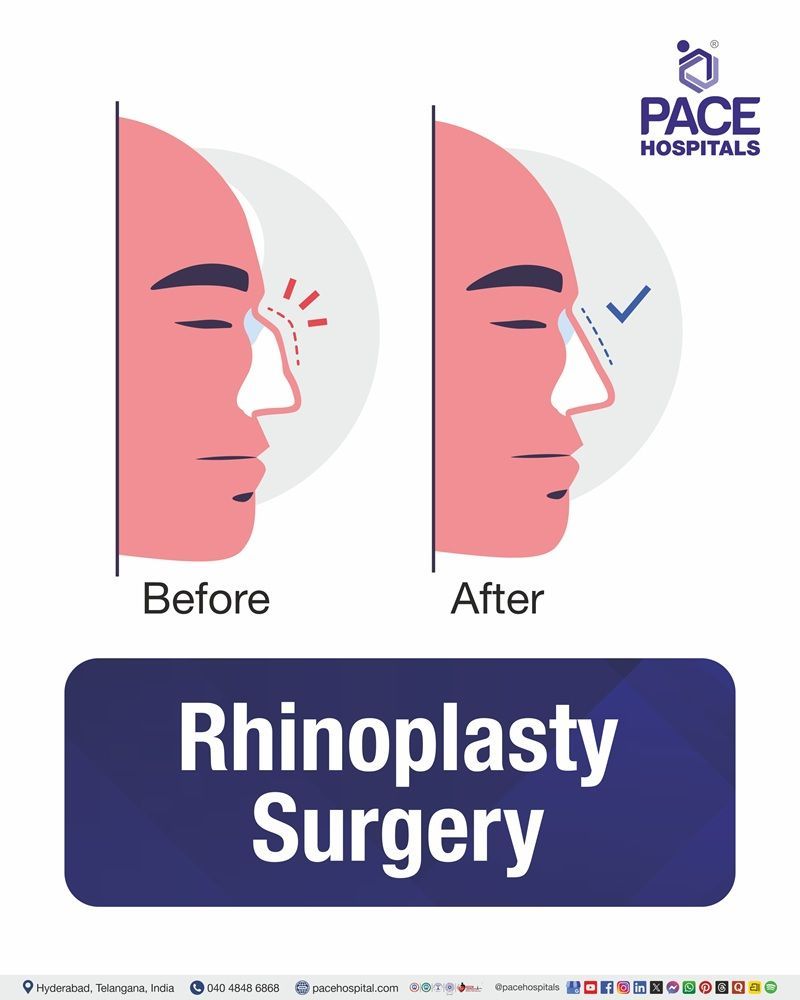
Rhinoplasty is a reconstructive and cosmetic nose surgery used to improve the size, shape, appearance, and function of the nose. Often called a "Nose job," it can be performed to relieve breathing issues caused by structural problems or to enhance one's appearance.
To improve facial harmony and the appearance of the nose, it involves reshaping the nasal bones, cartilage, and soft tissues.
Issues such as a crooked nose, nasal hump, broad nostrils, asymmetry, or changes in the size and shape of the nose can be resolved with this surgery.
Rhinoplasty may be appropriate for those who are unhappy with the appearance of their nose, have problems with nasal function, or have not achieved the desired results with non-surgical procedures.
Rhinoplasty Cost in India
On average, Rhinoplasty Surgery cost in India ranges from ₹50,000 to ₹2,50,000 and above (approximately US $528 to US $2,640). However, the actual cost may vary depending on several factors, including:
- Type of rhinoplasty surgery to be performed (Cosmetic rhinoplasty, Open rhinoplasty, Closed rhinoplasty, or Septorhinoplasty)
- Extent of nose restructuring or modification needed (small or large)
- Purpose of performing the surgery (for beauty enhancement or breathing correction or both)
- Age, general well-being of the patient, and anatomy of the nose
- Experience, specialization, and qualifications of the surgeon
- Type of hospital (private hospitals, corporate or trust hospitals)
- Charges of the hospital, which include operation theatre charges, room charges, and medical services charges
- Type of anesthesia to be used (Local Anesthesia with sedation or General Anesthesia)
- Pre-operative evaluation, consultation, and diagnostic charges
- Post-operative follow-up, medicines, and other requirements
- Whether it is primary rhinoplasty or revision rhinoplasty procedure to be performed
- Coverage by insurance or corporate approval for cashless treatment (if medically indicated, such as breathing-related corrections)
Rhinoplasty Cost in Hyderabad, Telangana
On average, Rhinoplasty Surgery cost in Hyderabad ranges from ₹90,000 to ₹2,00,000 and above (approximately US $950 to US $2,112). These rates offer a competitive and cost effective option compared to other top hospitals in the city, with advanced surgical care and personalized treatment planning readily available.
However, the cost of Rhinoplasty Surgery in Hyderabad is influenced by several factors, such as:
- The specific type and level of difficulty of the rhinoplasty procedure (cosmetic rhinoplasty, open rhinoplasty, closed rhinoplasty, septorhinoplasty)
- Level of reformation in relation to structure or breathing issues
- Hospital infrastructure and technology employed during the surgery
- Surgeon’s skill, qualifications, and experience with rhinoplasty technique
- Pre-surgical consultations and diagnostic tests needed
- Anesthesia, operation theatre costs, and post-surgery care needs
- Other surgeries done in combination with rhinoplasty surgery (e.g., septoplasty)
- Potential complications, need for revision surgery, or extended follow-up care.
Cost Breakdown According to Type of Rhinoplasty Surgery
- Open Rhinoplasty (Complex Nose Reshaping) – ₹1,00,000 - ₹2,00,000 (US $1,163 – US $2,326) (approx.)
- Closed Rhinoplasty (Minimal Incisions) – ₹70,000 - ₹1,60,000 (US $814 – US $1,860) (approx.)
- Septorhinoplasty (Breathing Correction Rhinoplasty / Deviated Septum Correction) – ₹1,00,000 - ₹1,50,000 (US $1,163 – US $1,744) (approx.)
- Tip Rhinoplasty (Nasal Tip Correction) – ₹95,000 - ₹1,00,000 (US $1,105 – US $1,163) (approx.)
- Revision Rhinoplasty/ Secondary Rhinoplasty – ₹1,50,000 - ₹2,50,000+ (US $1,744 – US $2,907+) (approx.)
Note: These are estimated costs that may change based on standard practice patterns. A thorough consultation with the cosmetic surgery team determines the precise cost of rhinoplasty for each patient, considering factors such as nose structure, the difficulty of the correction, breathing problems, surgical method, type of anesthesia, and anticipated hospital stay.
Additional Information: The type of rhinoplasty procedure chosen, the complexity of the nasal reshaping needed, the surgeon's experience and skill, the type of anesthesia, operating room fees, hospital facilities, pre-operative investigations, post-operative care, and whether additional procedures like septum correction or nasal reconstruction are necessary, are some of the factors that can affect the cost of rhinoplasty surgery. Based on the patient's unique needs, a customized assessment helps develop an appropriate treatment plan and a transparent cost estimate.
Breakdown of Rhinoplasty Surgery Cost
The type of procedure (cosmetic, functional, septorhinoplasty, or revision rhinoplasty), surgical complexity, hospital facilities, surgeon skill, and the patient's general health all affect rhinoplasty cost. The costs usually related to rhinoplasty surgery are broken down in detail below:
Pre-Surgery Costs
- Consultation Fees: The cost of consulting a skilled plastic surgeon or ENT specialist to check the structure of the nose, talk about aesthetic goals, identify any breathing issues, and determine the best rhinoplasty approach.
- Diagnostic Tests and Nasal Evaluation: Consists of a clinical examination, imaging investigations, nasal endoscopy (if necessary), and other evaluations to check airway function, nasal bone, cartilage structure, and any deformities that may be present.
- Routine Pre-Operative Tests (for Anesthesia): To ensure safety during anesthesia and surgery, a thorough health assessment that includes a complete blood count (CBC), a liver function test (LFT), a kidney function test (KFT), blood sugar tests, an electrocardiogram (ECG), and a coagulation profile (PT/PTT).
- Pre-Surgical Screening including Medical History and Physical Examination: To establish surgical suitability and reduce risks, a thorough evaluation of general health, prior surgeries, allergies, medications, breathing difficulties, and a history of nasal trauma, along with an examination of nasal anatomy, is conducted.
Rhinoplasty Surgery Costs
- Hospitalisation Charges: Hospitalisation fees include operating room, facility use, rooms, nursing care, and post-operative observation. In rare instances where extensive monitoring is required, Intensive Care Unit (ICU) charges may apply.
- Surgical Procedure Costs: These comprise the surgeon's expenses as well as charges associated with various rhinoplasty methods, including Cosmetic rhinoplasty, Functional rhinoplasty, Septorhinoplasty and Revision rhinoplasty.
- Anesthesia and Surgical Team Fees: Includes charges for general anesthesia, anesthesiologist fees, and the supporting surgical team involved during the procedure.
- Surgical Materials and Medical Supplies: Nasal splints, dressings, sutures, medicines, and other necessary surgical consumables used during and after treatment are included.
Post-Surgery Care Costs
- Post-Operative Monitoring: Recovery room monitoring, pain control, wound care, and monitoring for any signs of swelling, bleeding, or other post-operative problems.
- Hospital Stay: Rhinoplasty procedures almost always require a brief hospital stay, typically same-day discharge or a 1-day stay, depending on the complexity of the surgery and the patient's recovery.
- Follow-Up Visits: Consists of planned follow-up visits to examine nasal form, handle any post-operative issues, remove splints or sutures if necessary, and monitor recovery.
- Medications and Recovery Support: During the recovery phase, prescribed antibiotics, painkillers, nasal sprays, and other supportive therapies are included.
This cost structure makes the process transparent and helps patients understand the entire financial planning process involved in Rhinoplasty Surgery. We at PACE Hospitals, Hyderabad, ensure that our patients receive customized cost estimates based on their condition.
Who Needs Rhinoplasty Surgery?
However, not everyone who is dissatisfied with the appearance of their nose necessarily needs rhinoplasty surgery. It may be advisable for an individual with nasal structural problems that make their face appear unbalanced, impair breathing, or leave them significantly dissatisfied with their nasal appearance, even after trying non-surgical options.
Common Conditions Indicating the Need for Rhinoplasty Surgery
- Nose Shape or Size Concerns: A nose that appears disproportionate to facial features, including a large, wide, crooked, or uneven nose shape.
- Nasal Asymmetry or Structural Issues: Problems with the nasal bridge, tip, nostrils, or shape of the nose affecting facial harmony.
- Breathing Difficulties: Nasal blockage, functional issues, or septal deviation can be treated with septoplasty or rhinoplasty (when both breathing and appearance are addressed, the combined procedure is called septorhinoplasty).
- Nasal Injury or Trauma: An injured or broken nose resulting from accidents or injuries, causing problems with its appearance and breathing.
- Bump or Irregular Nose Bridge: Any hump, depression, or asymmetry in the nasal bridge that needs correction.
- Dissatisfaction with Nose Appearance: Emotional distress, reduced confidence or personal dissatisfaction related to the appearance of the nose, provided the person has realistic expectations and is otherwise medically fit for surgery.
- Revision After Previous Rhinoplasty: Patients requiring correction or improvement of their previous nose surgery.
Who is Not Eligible for Rhinoplasty Surgery?
While rhinoplasty surgery is generally safe, it may not be suitable for everyone. Surgery may be postponed or avoided in the following situations:
Active Nasal or Sinus Infections: Rhinoplasty should not be considered in people with active upper respiratory, sinus, or nasal infections, as these increase the risk of infection, delay healing, and yield poor surgical results.
Uncontrolled Medical Conditions: Surgical and anesthesia-related problems may be more common in those with uncontrolled diabetes, severe hypertension, bleeding disorders, major heart or lung disease, or other serious systemic illnesses. Patients with untreated autoimmune illnesses or uncontrolled hormonal problems should undergo adequate medical examination and stabilization before surgery.
Ongoing Lifestyle or Substance-Related Factors: People who actively smoke, misuse alcohol, use recreational drugs, have unstable weight, or are malnourished should not get rhinoplasty. These elements may hinder wound healing, increase the risk of infection, and adversely affect the final functional and cosmetic outcomes.
Unrealistic Expectations or Psychological Concerns: Surgery is not advised for people who have untreated psychological disorders, including body dysmorphic disorder (BDD), or who have irrational expectations about their facial appearance. Patients should be aware of the possible advantages and drawbacks of rhinoplasty and have reasonable goals.
Incomplete Facial Growth: In general, rhinoplasty should not be performed before the nose has finished growing. Although the precise timing depends on each person's facial development, cosmetic rhinoplasty is typically recommended after 15–16 years of age for girls and 16–18 years of age for boys. Early surgery may be necessary only for certain medical or reconstructive reasons, such as nasal injuries or congenital deformities.
A comprehensive evaluation by a Plastic and Reconstructive surgeon or facial Plastic Surgeon is essential to determine whether rhinoplasty is required, identify any underlying medical issues, and ensure safe surgery with the best possible functional and cosmetic results.
Rhinoplasty Surgery – How is the Procedure Done?
Depending on the complexity of the procedure and the patient's overall health, either general anesthesia or local anesthesia with sedation is used during rhinoplasty. Usually, the surgical steps include:
- Preoperative Evaluation: To evaluate the nasal structure, breathing function, and cosmetic goals, a thorough consultation, physical examination, and imaging (if necessary) are performed.
- Surgical Planning: Depending on the patient's nasal anatomy and the required correction, the surgeon chooses among open rhinoplasty, closed rhinoplasty, or septorhinoplasty.
- Incision and Nasal Reshaping: Small incisions are performed across the columella (open approach) or inside the nostrils (closed technique). To improve nasal function and create the desired appearance, the surgeon reshapes the nasal bone, cartilage, and soft tissues by removing, relocating, or adding cartilage as needed.
- Closure and Dressing: Once reshaping is complete, the incisions are carefully closed and dressed. During the early stages of healing, the nose is supported by an external nasal splint and, occasionally, inside nasal packing or splints.
- Recovery: Most patients are discharged on the same day or after an overnight hospital stay, depending on the degree of the surgery and their recovery. Initial swelling and bruises gradually reduce over the following weeks, while the final nasal shape continues to refine over several months.
A multidisciplinary team of cosmetic and reconstructive surgeons, ENT experts, anesthesiologists, and skilled nurses at PACE Hospitals, Hyderabad, ensures safe rhinoplasty surgery with thorough perioperative care and the best possible recovery.
Types of Rhinoplasty Surgery
Different techniques can be used for rhinoplasty surgery based on the patient's anatomy, aesthetic and functional requirements. The technique that is selected has a significant impact on the treatment process and cost.
- Open Rhinoplasty: Modification is recommended for extensive alteration of nasal features. External incisions are performed to provide good visibility and control during the surgical procedure. The technique is commonly used for extensive aesthetic and reconstructive surgeries.
- Closed Rhinoplasty: This procedure involves making incisions only inside the nostrils, leaving no visible scars on the outside. It is suitable for minor-to-moderate nose contouring and often includes a shorter recovery period.
- Cosmetic Rhinoplasty: Emphasis on cosmetic enhancement of the nose by addressing various concerns, including bulbous tip, dorsal hump, wide bridge, asymmetry, or proportion issues, while maintaining facial harmony.
- Functional Rhinoplasty / Septorhinoplasty: This procedure improves nasal airflow by correcting structural problems such as collapsed nasal valves or a deviated nasal septum. When necessary, it could also involve cosmetic reshaping.
- Revision (Secondary) Rhinoplasty: They are performed to improve or correct the results of previous rhinoplasty surgery. They tend to be more expensive than a standard rhinoplasty procedure due to their complexity. They are complex due to scar tissue, changes in nasal structure, or cartilage grafting.
Note: The cost of rhinoplasty varies depending on the type of surgery, the complexity of the nasal problem, whether the operation is functional, cosmetic, or revision, the need for grafts and reconstruction, anesthesia, and the length of hospital stay. More advanced surgeries, such as reconstructive or revision rhinoplasty, will be more expensive than regular cosmetic rhinoplasty.
Post-Rhinoplasty Surgery Care Tips
After Rhinoplasty Surgery, effective post-operative care is crucial to promote healing, reduce swelling, and produce the best possible aesthetic and functional outcome:
- It is recommended to attend all follow-up sessions so the doctor can assess your healing, remove the splints or stitches, and check the shape and function of your nose, if necessary.
- It is recommended to keep your head upright, even when sleeping, during the initial weeks to minimize swelling and pain.
- It is recommended to wear the nasal splint or dressing for the prescribed period by the surgeon, without removing it unless otherwise directed by the surgeon.
- It is recommended to avoid blowing the nose, insertion of any object into the nostril or forceful sneezing (preferably while keeping the mouth open if possible) for the period prescribed by the surgeon.
- It is recommended to refrain from strenuous activities, heavy lifting, stooping, contact sports, and any other activities that could injure your nose for 4–6 weeks, or as advised.
- It is recommended that glasses or sunglasses be avoided until the nose bones heal, as they may interfere with healing unless the surgeon provides an alternative method of support.
- If you are prescribed certain medicines, such as antibiotics, painkillers, nasal spray, or a saline rinse after discharge from the hospital, it is recommended that you take them as directed.
- It is important to stay away from activities that could hinder your recovery process, including smoking, drinking alcohol, staying out in the sun, and dusty areas where your nose might get hurt.
- It is advised that you strictly adhere to all instructions and notify the surgeon if any complications arise, such as difficulty breathing, excessive bleeding, worsening pain, fever, persistent swelling, or signs of infection.
Following these recommendations helps ensure a smooth recovery, minimizes the risk of complications, and supports optimal long-term functional and aesthetic results from Rhinoplasty Surgery.
Key Factors Influencing Rhinoplasty Surgery Cost
Several factors can affect the total cost of rhinoplasty surgery. Comprehending these essential components facilitates patients' efficient treatment and financial planning:
Pre-Surgery Evaluation
All evaluations conducted as part of consultation, physical examination, nose evaluation, imaging (when needed), and pre-surgical testing add up to the total cost of the rhinoplasty procedure.
Insurance Coverage
Insurance coverage or employer approval for cashless treatment plays a crucial role in determining which expenditures must be covered. Insurance does not cover rhinoplasty for solely cosmetic purposes; however, depending on the policy, rhinoplasty performed for medical purposes (such as to treat nasal blockage or injuries) may be fully or partially reimbursed.
Hospital and Location
Due to superior infrastructure and the surgeon's expertise, well-known hospitals in large cities will be more expensive than smaller hospitals or rural healthcare facilities.
Post-Surgery Care
Consultations, medicines, nasal stents, dressings, and constant observation for post-surgical healing account for the overall treatment cost.
Complications During Surgery
The occurrence of unforeseen complications, such as heavy bleeding, infections, anesthesia-related complications, poor wound healing, or the need for revision rhinoplasty, could increase the overall cost.
Surgeon Expertise
The expertise, experience, reputation, and specialty of the plastic or facial plastic surgeons play a major role in determining the cost. Plastic surgeons with extensive rhinoplasty experience usually charge higher professional fees due to their advanced skills and consistent outcomes.
Surgical Technique
The choice and difficulty level of the rhinoplasty procedure to be performed—such as closed rhinoplasty, open rhinoplasty, functional rhinoplasty, septorhinoplasty, ethnic rhinoplasty, revision rhinoplasty, or reconstructive rhinoplasty—bear on the total costs.
Travel and Accommodation
Patients who come from other cities and countries will incur additional costs for travel, accommodation, food, and local transport, as well as for their accompanying relatives.
Patient Health
Various factors affect the degree of difficulty of the procedure and recovery time and therefore contribute to the total cost of the procedure, including the patient's general health, age, nose structure, prior nasal surgeries, breathing difficulties, and other diseases.
Why Choose PACE Hospitals for Rhinoplasty Surgery in Hyderabad, India?
A trusted center for Rhinoplasty Surgery, PACE Hospitals in Hyderabad provides complete care with an emphasis on patient safety, aesthetic accuracy, and functional enhancement.
- Skilled nurses, anesthesiologists, and plastic, reconstructive, and ENT surgeons
- Modern operating rooms with cutting-edge surgical equipment
- Thorough preoperative assessment and committed postoperative observation to ensure a safe recovery
- Depending on the type and complexity of rhinoplasty, individualized treatment programs with transparent cost estimates
- Advanced methods for functional and cosmetic rhinoplasty to provide outcomes that look natural
- For patients searching for the Best Rhinoplasty Surgery Hospital in Hyderabad, Telangana, India, PACE Hospitals offers expert surgical care, competitive treatment costs, personalized care, and safe, high-quality surgical outcomes.
Financial Assistance and Payment Plans at PACE Hospitals
Rhinoplasty surgery should be affordable and accessible. When necessary, our staff provides cashless hospitalization support and insurance advice to qualified patients.
- Cashless hospitals stay with Third-Party Administrators (TPAs) and empanelled insurance carriers, depending on medical eligibility and policy terms.
- Help with insurance paperwork, pre-authorization, and admission processes to expedite the course of treatment.
- Assistance with reimbursement claims for patients whose insurance plans do not permit cashless hospital stays.
- Transparent pre-admission cost estimates depending on the type and complexity of the rhinoplasty procedure, hospital stay, and specific treatment requirements.
- To lower out-of-pocket costs, support is provided for government health programs and qualifying corporate health coverage.
Note: Cosmetic rhinoplasty operations are typically not eligible for health insurance coverage. On the other hand, a rhinoplasty performed for nasal obstruction, breathing problems, nasal injuries, or congenital deformities is eligible for insurance coverage, depending on the policy provisions of the specific insurance company.
Success Rate of Rhinoplasty Surgery
When performed by an experienced plastic or facial plastic surgeon, Rhinoplasty is considered a highly successful procedure, with patient satisfaction ratings often ranging from 85% to 95%. The patient's nasal anatomy, the difficulty of the procedure, reasonable expectations, and compliance with post-operative care guidelines are some of the factors that affect the result.
After Rhinoplasty Surgery, patients may experience:
- Improved nasal shape and facial harmony
- Improved breathing and nasal function (when functional correction is performed)
- Increased self-confidence and satisfaction with facial appearance
Since the results may continue to improve over the course of six to twelve months following surgery, long-term success depends on adhering to post-operative care instructions, protecting the nose from injury during the healing period, attending scheduled follow-up appointments, and allowing enough time for swelling to resolve.
Request a Personalized Treatment Cost Estimate
Every patient's medical condition and treatment plans are unique, which means the overall cost can vary. To receive an accurate estimate, our specialists evaluate your diagnosis, medical history, recommended treatment, and any necessary investigations before providing a detailed cost breakdown.
Whether you are planning a diagnostic test, treatment, or surgery, our team is here to help you understand the expected expenses and guide you through every step of the process.
Get in touch with us today to request a personalized treatment cost estimate.