Skin Grafting Surgery Cost in Hyderabad, India – 2026 Guide
Get a Cost Estimate for Skin Grafting Surgery
Procedure & Surgery Cost Pages
All You Need To Know About Skin Grafting Surgery
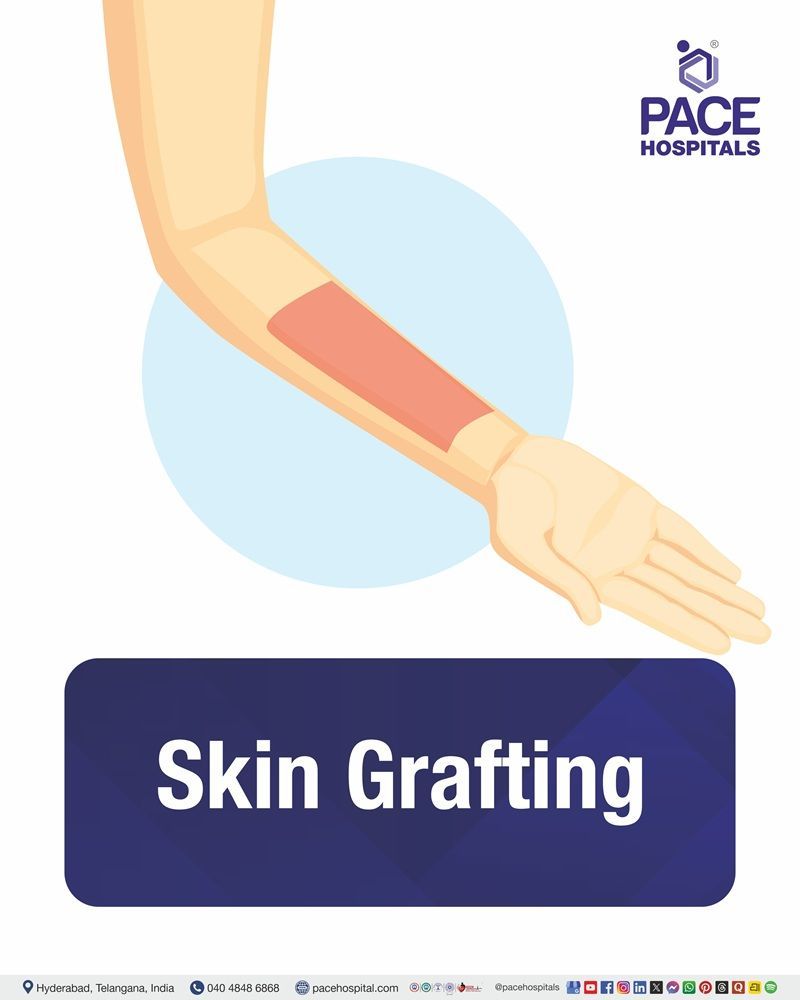
Skin graft surgery is a reconstructive surgical procedure in which healthy skin is taken from one part of the body (donor site) and transplanted to another area (recipient site) where skin has been lost or damaged. It is commonly performed to cover wounds, promote healing, protect underlying tissues, and restore both function and appearance.
Skin grafting is recommended when a wound is too large to heal naturally or cannot be closed with stitches alone. It is commonly used for burns, traumatic injuries, chronic non-healing wounds, diabetic foot ulcers, pressure sores, skin cancer removal, severe infections, and after reconstructive or plastic surgery.
Depending on the wound and the patient's condition, the surgeon may perform a Split-Thickness Skin Graft (STSG), a Full-Thickness Skin Graft (FTSG), or, in some selected cases, use advanced reconstructive techniques like skin substitutes or flap reconstruction when a skin graft is not sufficient alone.
Skin Graft Surgery Cost in India
On average, skin grafting surgery cost in India ranges between ₹15,000 - ₹3,00,000 (approximately US $ 157 - US $ 3,147). However, the actual skin grafting cost in India may vary depending on several factors, including:
- The patient's age, overall health, and underlying medical condition.
- The reason for the skin graft (burns, trauma, diabetic foot ulcers, pressure sores, skin cancer removal, or reconstructive surgery).
- The size, depth, location, and complexity of the wound or skin defect.
- The type of skin graft performed (split-thickness skin graft, full-thickness skin graft, or other reconstructive techniques).
- Whether additional procedures, such as wound debridement, flap reconstruction, or negative-pressure wound therapy (VAC), are required.
- The type of hospital (private, government, or trust hospitals).
- Hospital charges, including operation theatre, room category, ICU care (if required), and other facilities.
- Pre-operative investigations, wound assessment, and post-operative wound care requirements.
- Any complications that may arise during or after the procedure, such as infection or graft failure.
- The expertise of the plastic and reconstructive surgeon and the use of advanced wound care technologies.
Skin Grafting Surgery Cost in Hyderabad, Telangana
On average, skin graft surgery costs in Hyderabad range from ₹20,000 - ₹90,000 (approximately US $209 - US $945) for standard skin graft procedures. The plastic surgery skin graft cost depends on the type of skin graft, the size and location of the wound, the underlying condition treated, and the complexity of the reconstructive procedure. These costs are competitive and cost-effective when compared to many other metropolitan locations, and they include access to competent plastic and reconstructive surgeons as well as comprehensive wound care facilities.
However, the skin graft price in Hyderabad is influenced by several factors, such as:
- The patient's overall health, age, nutritional status, and medical history.
- The underlying condition requiring skin grafting, such as burns, trauma, diabetic foot ulcers, pressure sores, skin cancer excision, or reconstructive surgery.
- The size, depth, location, and complexity of the wound or skin defect.
- The type of skin graft performed.
- Whether additional procedures.
- The hospital facility chosen and its infrastructure.
- Insurance or corporate approvals, where applicable.
- Extent of pre-operative evaluation, post-operative wound care, rehabilitation, and follow-up.
- Potential complications during or after the procedure.
Cost Breakdown According to Type of Skin Graft Surgery
- Split-Thickness Skin Graft (STSG) – Surgery Cost: ₹20,000 – ₹60,000 (US $209 – US $628) (approx.)
- Full-Thickness Skin Graft (FTSG) – Surgery Cost: ₹40,000 – ₹90,000 (US $419 – US $943) (approx.)
- Burn Wound Skin Grafting – Surgery Cost: ₹45,000 – ₹70,000 (US $471 – US $733) (approx.)
- Traumatic Wound Skin Grafting – Surgery Cost: ₹40,000 – ₹90,000 (US $419 – US $943) (approx.)
- Diabetic Foot Skin Grafting – Surgery Cost: ₹45,000 – ₹1,00,000 (US $471– US $1,047) (approx.)
- Pressure Sore (Bedsore) Skin Grafting – Surgery Cost: ₹50,000 – ₹90,000(US $523 – US $943) (approx.)
- Skin Grafting with Local Flap Reconstruction – Surgery Cost: ₹70,000 – ₹1,80,000 (US $733– US $1,886) (approx.)
- Complex Reconstructive Skin Grafting / Multiple Graft Procedures – Surgery Cost: ₹ ₹1,00,000 – ₹3,00,000 (US $1,047– US $3,143) (approx.)
Note: These are estimated costs. The exact cost for an individual patient is determined after a detailed evaluation by the plastic and reconstructive surgery team.
Additional Information: The cost of skin graft surgery may vary depending on the size and location of the wound, the type of skin graft utilised, whether wound debridement is needed, flap reconstruction, VAC therapy, multiple grafting sessions, duration of hospitalisation, ICU support (if needed), advanced wound care materials, and the experience of the plastic and reconstructive surgeon. Extensive burn injuries, large traumatic wounds, diabetic foot reconstruction, pressure sore reconstruction, and complex reconstructive procedures may cost more when compared to simple graft surgery because they require advanced planning, specialised surgical techniques, prolonged wound care, and multidisciplinary management.
Breakdown of Skin Graft Surgery Costs
The cost of skin graft surgery can be different, depending on factors like the type of skin graft performed, wound size and location, the underlying condition, the surgeon's expertise, hospital facilities, and the patient's overall health. Below is a detailed breakdown of the costs associated with skin graft surgery : -
Pre-Surgery Costs
- Consultation Fees: Charges for consultation with a plastic and reconstructive surgeon or wound care specialist vary depending on the hospital and the surgeon's experience.
- Diagnostic Tests: Includes blood tests, wound assessment, wound culture (if required), X-rays or CT scans (when indicated), and other investigations to evaluate the patient's fitness for surgery and plan reconstruction.
- Pre-Surgical Screening: Comprehensive health assessments to evaluate heart, kidney, lung function, blood sugar levels, nutritional status, infection control, and overall fitness for anaesthesia and skin graft surgery.
Skin Graft Surgery Costs
- Hospitalisation Charges: Private room charges during the pre-surgery preparation and post-operative recovery. ICU charges if critical monitoring is needed.
- Surgical Procedure: Costs associated with Skin Graft Surgery, including surgeon's fees, operation theatre charges, harvesting the donor skin, preparing the recipient site, skin graft placement, specialised dressings, and wound management.
- Anaesthesia and Surgical Team Fees: Charges for anaesthesia, anaesthesiologist, operating theatre staff, and the plastic and reconstructive surgery team involved in the procedure.
Post-Surgery Care Costs
- Post-Operative Wound Care: Includes specialised dressings, donor site care, wound monitoring, pain management, infection prevention, and assessment of graft healing.
- Hospital Stay: General hospitalisation expenses for post-operative recovery. Minor procedures requires short hospital stay, while extensive burns or complex reconstructive procedures may require longer admission.
- Follow-Up Visits and Rehabilitation: Routine follow-ups with the plastic surgeon to evaluates graft healing, dressing changes, wound care, scar management, physiotherapy(when needed), and long-term recovery evaluation.
Note: This cost structure helps patients understand the components involved in planning for skin graft surgery. At PACE Hospitals, Hyderabad, we provide detailed, personalised cost estimates for every person's wound type, reconstructive needs, and medical condition, which ensures transparent cost and complete plastic and reconstructive surgical care.
Who Needs Skin Graft Surgery?
Skin graft surgery is not required for every wound or skin injury. It is generally recommended when a wound is too large, too deep, or unable to heal properly on its own, and direct closure with stitches is not possible. Skin grafting helps to cover exposed tissues, promote healing, reduce the risk of infection, and restore both function and appearance.
Common Conditions Indicating Need for Skin Graft Surgery
- Burn injuries: Injuries that are deep partial-thickness and full-thickness burns often damage the skin beyond its ability to heal naturally. Skin graft surgery helps cover the burn wound, reduce the risk of infection, promote faster healing, and minimise long-term scarring and contractures.
- Traumatic skin loss: Road traffic accidents, machinery injuries, animal bites, or other severe trauma can result in skin loss. The surgery gives wound coverage, protects underlying tissues, and supports faster recovery.
- Diabetic foot ulcers: Patients with diabetes may develop chronic foot ulcers that do not heal with conventional treatment. After infection is controlled and unhealthy tissue is removed, skin grafting can help close the wound and improve healing.
- Chronic non-healing wounds: Some wounds fail to heal after all appropriate wound care; this can occur due to poor blood supply, diabetes, infection, or prolonged pressure. Skin graft surgery may be recommended to promote wound closure and reduce the risk of complications.
- Pressure sores (bedsores): Advanced pressure ulcers caused by prolonged pressure may result in extensive skin and tissue loss. Skin graft surgery may be used in selected patients to cover the wound and promote healing after proper wound preparation.
- Wounds following skin cancer removal: Surgical removal of skin cancers may leave defects that cannot be closed. In this condition, skin grafting helps to reconstruct the affected area while preserving function and improving cosmetic appearance.
- Scar contractures: Tight scars caused by burns or previous injuries may restrict movement, particularly around joints. After releasing the contracture, skin graft procedure helps to cover the defect, improve mobility, and restore function.
- Large surgical wounds and tissue loss: Some reconstructive procedures or severe infections leave large wounds that require skin grafting for proper healing and wound coverage.
Who is Not Eligible for Skin Graft Surgery?
Skin grafting is a safe and effective procedure for many patients, it is not suitable for everyone. There are certain medical conditions and wound-related factors that may reduce graft healing or increase the risk of complications.
- Active wound infection: Patients with untreated infections at the wound site may require infection control and wound cleaning before a skin graft can be performed, as infection can prevent the graft from healing properly.
- Poor blood supply to the wound: Wounds with inadequate blood circulation, such as those caused by severe peripheral arterial disease, may not provide enough nourishment for the skin graft to survive.
- Uncontrolled medical conditions: Patients with uncontrolled diabetes, severe heart disease, kidney disease, or other serious illnesses may need medical optimisation before undergoing skin graft surgery.
- Poor nutritional status: Malnutrition or severe protein deficiency can delay wound healing and reduce the chances of successful skin graft take.
- Heavy smoking or tobacco use: Smoking reduces blood flow to the skin and can significantly affect graft healing. Patients are usually advised to stop smoking before and after surgery.
- Bleeding disorders or inability to undergo anaesthesia: Patients with uncontrolled bleeding disorders or those who are medically unfit for anaesthesia may not be suitable candidates until these conditions are appropriately managed.
- Extensive tissue loss requiring flap reconstruction: Some large or deep wounds with exposed bone, tendon, or vital structures may require flap reconstruction instead of a skin graft alone.
Assessment by a qualified plastic and reconstructive surgeon is essential to determine eligibility for skin graft surgery. A thorough pre-operative evaluation, including wound assessment, blood investigations, evaluation of blood supply, infection control, and overall health assessment, helps ensure that the procedure provides the best possible healing with minimal risk.
Skin Graft Surgery – How is Skin Graft Surgery Done?
Skin graft surgery is a reconstructive procedure performed under local or general anaesthesia, depending on the size, location, and complexity of the wound. The steps include:
- Pre-procedure evaluation: Comprehensive assessment of the wound, donor skin availability, health, blood tests, imaging (if required), and evaluation of the patient's fitness for anaesthesia and surgery.
- Surgical planning: The plastic surgeon determines the most appropriate type of skin graft (Split-Thickness Skin Graft or Full-Thickness Skin Graft) and selecting the donor site based on the wound size, location, and reconstructive needs.
- Skin graft procedure: Healthy skin is carefully harvested from the donor site, the wound is cleaned and prepared, and the graft is placed over the affected area and secured with sutures, staples, or specialised dressings.
- Monitoring and dressing: The graft and donor site are carefully monitored, appropriate dressings are applied, and measures are taken to promote graft survival and proper wound healing.
- Recovery: Small procedures may be performed as day-care or require a short stay, while extensive skin grafting may require longer hospitalization and regular follow-up for wound care and graft monitoring.
Types of Skin Graft Surgery
Different types of skin graft surgery are performed depending on the size, depth, location of the wound, and the amount of tissue loss. The choice of graft can influence both the treatment plan and the overall cost.
- Split-Thickness Skin Graft (STSG): Uses the outer layer (epidermis) and part of the deeper layer (dermis) of the skin. It is commonly used for burns, large wounds, traumatic injuries, and chronic ulcers.
- Full-Thickness Skin Graft (FTSG): Uses the entire thickness of the skin, including the epidermis and dermis. It is often used for smaller wounds on the face, hands, neck, or other cosmetically important areas where a better appearance is desired.
- Composite Skin Graft: Includes skin along with underlying tissues such as cartilage or fat. It is mainly used for reconstructive procedures involving areas such as the nose or ear.
- Skin Substitutes / Bioengineered Skin Grafts: Special biological or synthetic skin substitutes may be used in selected patients with extensive burns or complex wounds when suitable donor skin is limited.
Common Surgical Techniques for Skin Graft Surgery
- Meshed Skin Grafting: The skin obtained is expanded by means of a mesh pattern, which enables a single graft to cover a larger wound and enhances fluid drainage.
- Sheet Skin Grafting: The graft is applied without meshing to achieve a smoother cosmetic appearance, especially on the face and hands.
- Negative Pressure Wound Therapy (VAC)-Assisted Skin Grafting: A vacuum-assisted dressing may be used to improve graft adherence and promote healing in selected complex wounds.
Post-Skin Graft Surgery Care Tips
After skin graft surgery, careful attention to recovery is essential to promote proper healing of both the graft site and the donor site and to improve the chances of successful graft acceptance.
- It is advised to attend all scheduled follow-up appointments for evaluation of graft healing, dressing changes, and monitoring of recovery.
- It is recommended to keep the graft site and donor site clean, dry, and protected, following the surgeon's instructions for wound care and bathing.
- It is advised to avoid excessive movement, stretching, pressure, or friction over the grafted area until the surgeon confirms that the graft has healed properly.
- If a splint, dressing, or pressure garment is prescribed to protect the graft, it should be used exactly as instructed.
- If antibiotics, pain relievers, or other prescribed medications are given at discharge, it is suggested to take them exactly as instructed and complete the full course when advised.
- It is said to avoid smoking and tobacco use during recovery, as nicotine can reduce blood flow to the graft and delay healing.
- Patients should maintain a healthy, take protein-rich diet and stay hydrated to support wound healing and tissue repair.
- It is advised to contact the doctor immediately if there is increasing pain, fever, excessive swelling, bleeding, foul-smelling discharge, graft discoloration, or signs that the skin graft is not healing properly.
Key Factors Influencing Skin Graft Surgery Cost
There are several factors that influence the overall cost. Below are some of the elements that can help patients and families better prepare for the financial aspects of surgery.
Pre-Surgery Evaluation
Comprehensive consultation, wound assessment, blood tests, imaging studies (whenever needed), infection screening, and medical evaluation all contribute to the total treatment cost.
Hospital and Location
In reputable hospitals in major cities, like Hyderabad, may charge varying fees based on the infrastructure, operating theatre services, burn care services, ICU availability, and speciality plastic and reconstructive surgery facilities.
Post-Surgery Care
Follow-up visits, wound dressing changes, donor site care, medications, physiotherapy (when required), and long-term wound monitoring contribute to the overall treatment cost.
Complexity of the Wound
The size, depth, location, cause of the wound (due to burns, trauma, diabetic foot ulcers, pressure sores, or reconstructive defects), and the extent of tissue loss significantly influence the complexity and cost of the procedure.
Type of Skin Graft and Reconstruction
The cost may be affected by the type of procedure such as split-thickness skin grafts, full-thickness skin grafts, composite grafts, or those involving the use of skin substitutes, flap repair, or multiple grafting sessions, depending on the complexity of the reconstruction.
Surgeon's Expertise
Highly experienced plastic and reconstructive surgeons usually charge higher fees due to their expertise in managing complex conditions and performing reconstructive procedures.
Travel and Accommodation
Patients travelling from other cities or states should consider travel, accommodation, food, and attendant expenses as part of the overall financial planning.
Insurance Coverage
The extent of insurance coverage or corporate approvals for cashless treatment can significantly affect out-of-pocket expenses. Skin graft procedures that are medically indicated are eligible for insurance coverage, depending on the policy.
Why Choose PACE Hospitals for Skin Graft Surgery in Hyderabad, India?
PACE Hospitals, Hyderabad, is a trusted centre for skin graft surgery and advanced plastic, reconstructive, and wound care services.
- We have highly experienced plastic and reconstructive surgeons, anaesthesiologists, wound care specialists, and specialised nursing staff who follow evidence-based protocols to provide safe and effective reconstructive treatment. Our multidisciplinary team manages a wide range of conditions, including burns, traumatic wounds, diabetic foot ulcers, pressure sores, post-surgical defects, and other complex wounds requiring skin grafting.
- Our facilities include state-of-the-art modular operating theatres, advanced wound-care technologies, dedicated plastic surgery services, intensive-care (ICU)care, and specialised post-operative wound-monitoring units. Patient-centered care, reconstructive treatment programs for every individuals need, comprehensive rehabilitation support, and clear cost estimates enable optimal healing and functional recovery.
For patients who are looking for the Best Hospital for Skin Graft Surgery in Hyderabad, Telangana, India, PACE Hospitals offers experienced plastic and reconstructive surgeons, advanced wound reconstruction techniques, comprehensive multidisciplinary care, competitive costs, and transparent treatment planning.
Financial Assistance and Payment Plans at PACE Hospitals
Our team assists patients and families with insurance, cashless support, and financial guidance wherever applicable.
- Cashless hospitalization with empanelled insurers and Third-Party Administrators (TPAs)
- Pre-authorisation and documentation guidance
- Reimbursement assistance if the cashless facility is unavailable
- Transparent pre-admission cost estimates
- Support for corporate and government health schemes, wherever applicable
Note: Since skin graft surgery is performed for medically necessary conditions like burns, traumatic wounds, diabetic foot ulcers, pressure sores, or reconstructive surgical procedures, it is eligible for insurance coverage, subject to the insurer's policy terms, approvals, and eligibility of the patient.
Skin Graft Surgery Success Rate
Skin grafting (skin autograft) is a well-established reconstructive procedure with a graft success rate within 85% -95% when performed under appropriate conditions by experienced plastic and reconstructive surgeons.
Patients may experience:-
- Successful wound closure and faster healing
- Reduced risk of wound infection and further tissue damage
- Improved skin coverage and protection of underlying tissues
- Better functional recovery and mobility, especially after burns or traumatic injuries
- Improved cosmetic appearance and overall quality of life
Request a Personalized Treatment Cost Estimate
Every patient's medical condition and treatment plans are unique, which means the overall cost can vary. To receive an accurate estimate, our specialists evaluate your diagnosis, medical history, recommended treatment, and any necessary investigations before providing a detailed cost breakdown.
Whether you are planning a diagnostic test, treatment, or surgery, our team is here to help you understand the expected expenses and guide you through every step of the process.
Get in touch with us today to request a personalized treatment cost estimate.